More and more companies rely on smart systems to track their packages worldwide and provide customers with real-time updates. Yet, almost no one expects that companies with advanced track and trace systems save up to 25% on logistics costs by leveraging this technology. That may seem like a lot, but what’s even more striking is that seamless tracking isn’t just about determining location. The real value lies in the unexpected benefits you only discover once you look beyond the simple status of your package.

Quick Summary
Key Benefits | Overview |
|---|---|
Transparency Through Real-Time Tracking | Track and trace provides real-time information on the location and status of shipments, reducing uncertainty. |
Increased Customer Satisfaction | Studies show that track and trace can boost customer satisfaction by 67% through full transparency. |
Operational Efficiency for Businesses | Businesses using track and trace can resolve inefficiencies and save up to 25% on logistics costs. |
Strategic Use of Technology | Advanced technologies like AI and blockchain enhance the accuracy and effectiveness of track and trace systems. |
Improving Sustainability in Logistics | Track and trace systems help reduce the ecological footprint of transportation by optimizing routes. |
What Is Track and Trace and How Does It Work?
Track and trace is an advanced logistics system that monitors and records the journey of a parcel or shipment in real time from start to finish. It is an essential component of modern transport processes, where every step of the shipment is accurately tracked and communicated.
The Basics of Track and Trace
The core principle of track and trace revolves around transparency and control. When a parcel is shipped, it is assigned a unique identification number or tracking code. This number acts as a digital passport for the shipment, allowing senders and recipients to see exactly where the parcel is, when it was processed, and the expected delivery date.
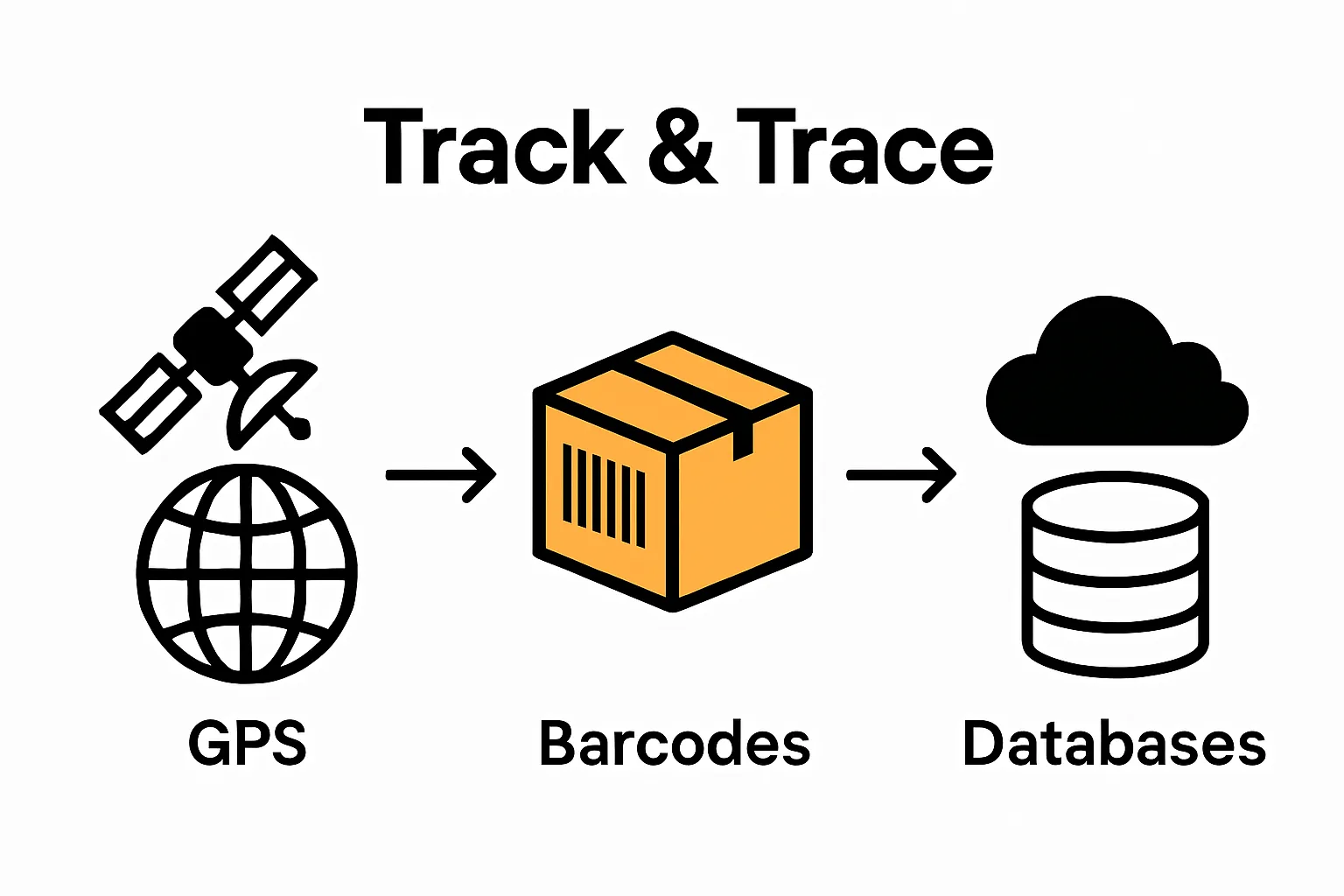
The technology behind track and trace combines several components:
- GPS tracking
- Barcode scanning
- Digital registration systems
- Real-time database updates
How Does Track and Trace Work Exactly?
The process begins as soon as a package is registered with a shipping service. At that moment, a unique tracking code is generated, which follows the shipment's entire journey. Each time the package passes through a logistics hub—such as a sorting center, transshipment location, or distribution center—the barcode is scanned, and the data is updated.
This technology enables customers to and accurately track the progress of their shipment.
VIDEO:[video_content] According to research by LogisticsNews, track and trace improves customer satisfaction by up to 67% by providing full transparency and peace of mind.
Track and trace is more than just a tracking system; it is a critical infrastructure that makes shipping processes more efficient, secure, and reliable.
Why Is Track and Trace Important for Shipments?
Track and trace has evolved into a critical service in modern logistics, with transparency and certainty at its core. The system not only benefits shippers and recipients but also fundamentally transforms how businesses manage and optimize their transportation processes.
Transparency and Trust
One of the key reasons why track and trace is essential is the trust it builds between all parties in the shipping process. By providing real-time information, uncertainty is eliminated, and customers gain full control over their shipments.
The benefits of track and trace include:
- Accurate package location tracking
- Precise estimated delivery date
- Prevention of lost shipments
- Immediate communication in case of delays
Business Optimization and Cost Reduction
For businesses, track and trace is more than just a service. It is a strategic tool for process improvement. helps organizations gain detailed insights into their supply chains, enabling them to identify inefficiencies and reduce costs.
Recent research by LogisticsNews shows that companies implementing advanced track and trace systems can save up to 25% on logistics expenses. The technology empowers businesses to:
- Optimize transport routes
- Improve inventory management
- Increase customer satisfaction
Track and trace is no longer a luxury but a necessary standard in today’s global logistics landscape. It forms the backbone of efficient, transparent, and reliable shipping processes.
The table below summarizes the key benefits of track and trace systems for both businesses and consumers, as outlined in the article.
Benefit | Description |
|---|---|
Transparency in the shipping process | Real-time insight into the location and status of shipments |
Cost savings for businesses | Up to 25% reduction in logistics expenses through process optimization |
Increased customer satisfaction | 67% higher customer satisfaction due to direct updates |
Improved inventory and route planning | Ability to manage routes and inventory intelligently |
Reduced risk of lost or delayed parcels | Quick detection of issues and timely communication |
More sustainable logistics | Reduction in CO₂ emissions through more efficient routes |
The Technology Behind Track and Trace Systems
Track and trace systems are advanced technological solutions that transform modern logistics through smart, integrated technologies enabling real-time data collection and analysis.
Core Components of Tracking Technology
The technological infrastructure of track and trace is based on a complex interplay of advanced technological components.GPS tracking, RFID technology and barcode systems form the backbone of these advanced tracking mechanisms.
The primary technological components include:
Below is an overview of the key technological components of track and trace systems, with a brief explanation for each to clarify their role in the process.
Technological component | Function |
|---|---|
GPS tracking | Determines the exact location of packages and vehicles |
Barcode scanning | Records package information at each logistics hub |
RFID technology | Automatic identification and tracking without direct line of sight |
Wireless communication | Transmits data in real-time to central systems |
Automated scanning equipment | Accelerates and records shipment processing |
Cloud platforms | Stores tracking data and enables real-time access |
- Satellite navigation systems
- wireless-communication-protocols
- data-storage-and-cloud-platforms
- automated-scanning-equipment
Data Processing and Analytics
The core of every track and trace system is complex data processing. Whenever a parcel is moved, each scan generates a data point that is immediately recorded and analyzed.Learn more for more technical details about these processes.
According to research by Logistics Innovation, 78% of modern logistics companies today use automated analytical algorithms to interpret and optimize tracking data. These systems can:
- Identify patterns in shipping routes
- Predict potential delays
- Perform real-time route optimization
The technology behind track and trace is constantly evolving, with new innovations enabling increasingly advanced tracking and analysis capabilities. From artificial intelligence to blockchain technology, these systems are shaping the future of transparent, efficient logistics.
Practical Applications of Track and Trace in E-Commerce
In the fast-growing e-commerce landscape, track and trace has evolved into a crucial tool that not only transforms logistics processes but also fundamentally reshapes customer expectations.
Customer-Focused Track and Trace Solutions
E-commerce businesses use advanced track and trace systems to create a seamless and transparent shipping experience. Today's customers expect detailed information about their order, from the moment of purchase to final delivery.
Key benefits for e-commerce customers include:
- Real-time visibility of their parcel's location
- Accurate estimated delivery date
- Instant notifications about status changes
- Ability to engage in proactive communication
Operational Efficiency and Customer Satisfaction
Track and trace goes beyond merely following parcels. It is a strategic tool that helps e-commerce businesses optimize their operational processes. Discover our tracking solutions for deeper insights into this advanced technology.
A recent study by Thuiswinkel.org reveals that 82% of online shoppers consider tracking capabilities crucial to their purchase decisions. The technology enables businesses to:
- Reduce shipping costs
- Streamline return processes
- Increase customer trust
Track and trace is no longer a luxury but an indispensable standard in the modern e-commerce landscape.
It forms the backbone of efficient, transparent, and customer-centric shipping processes.
The Future of Track and Trace in International Shipping
International transport is on the brink of a technological revolution, with track and trace systems playing a central role in transforming logistics processes and global trade flows.
Emerging Technological Innovations
The future of track and trace is driven by advanced technologies such as artificial intelligence, blockchain, and the Internet of Things (IoT). These innovations will fundamentally change how we track and manage shipments, with an unprecedented level of precision and transparency.
Key technological trends include:
- Predictive analytics for shipping optimization
- Autonomous vehicles with integrated tracking
- Quantum computing for data processing
- Real-time data exchange between international platforms
Sustainability and Efficiency
Track and trace systems will increasingly be deployed to enhance eco-friendly logistics. Our tracking solutions focus on reducing the ecological footprint of international shipments.
According to research by C40 Cities, the implementation of advanced tracking technologies can reduce CO₂ emissions in urban transport by over 50%. Future track and trace systems will enable businesses to:
- Select energy-efficient routes
- Optimize fuel consumption
- Prioritize eco-friendly transport methods
The future of track and trace extends beyond parcel tracking. It will become a strategic tool for sustainable, efficient, and transparent international logistics.
Experience the Power of Track and Trace with Parcel International
Struggling to track international shipments leads to uncertainty, frustration, and lost time. As highlighted in the article, transparency, real-time tracking, and clear communication through track and trace have become essential to avoid stress and unexpected costs. Customers no longer want to be left in the dark about their package locations. You, too, deserve control over your logistics—especially when shipping abroad or managing multiple parcels.
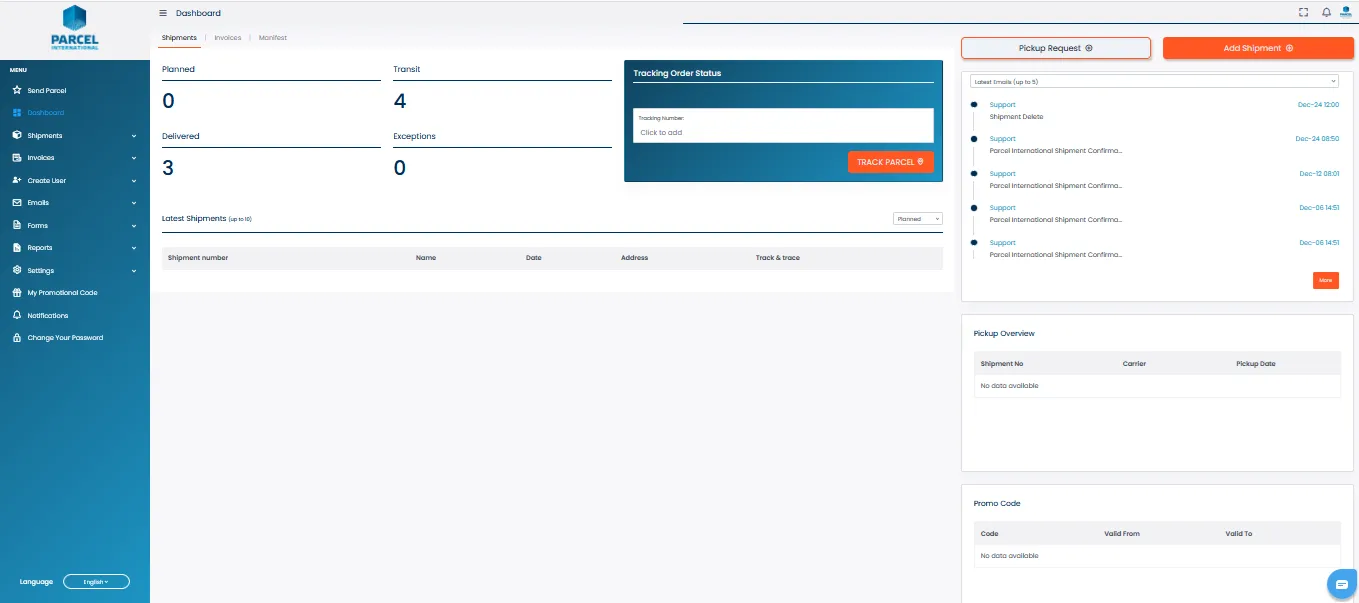
Parcel International provides a smart solution. With our advanced track and trace systems, you can monitor every shipment worldwide and always know its status. Benefit from clear updates, the freedom to choose between carriers, and transparent delivery timelines. Since 2007, we’ve helped individuals, businesses, and e-commerce companies ship more securely, quickly, and effortlessly to over 220 countries. No more surprises—just full control and cost savings with every shipment.
Do you want more visibility and certainty for your international shipments? Experience how simple and reliable shipping can be with our modern shipping solution. Visit Parcel International today and discover the benefits of efficient, real-time track and trace for your parcels. Don’t wait for clarity—take charge of all your shipments now.