
Every small online store owner knows the challenge of getting international shipments to customers quickly and efficiently. Just-in-Time delivery offers an opportunity to reduce inventory costs and storage space while keeping the flow of goods running smoothly. By leveraging real-time communication and a streamlined supply chain, you can respond faster to customer demand and optimize deliveries across borders.

Key Insights
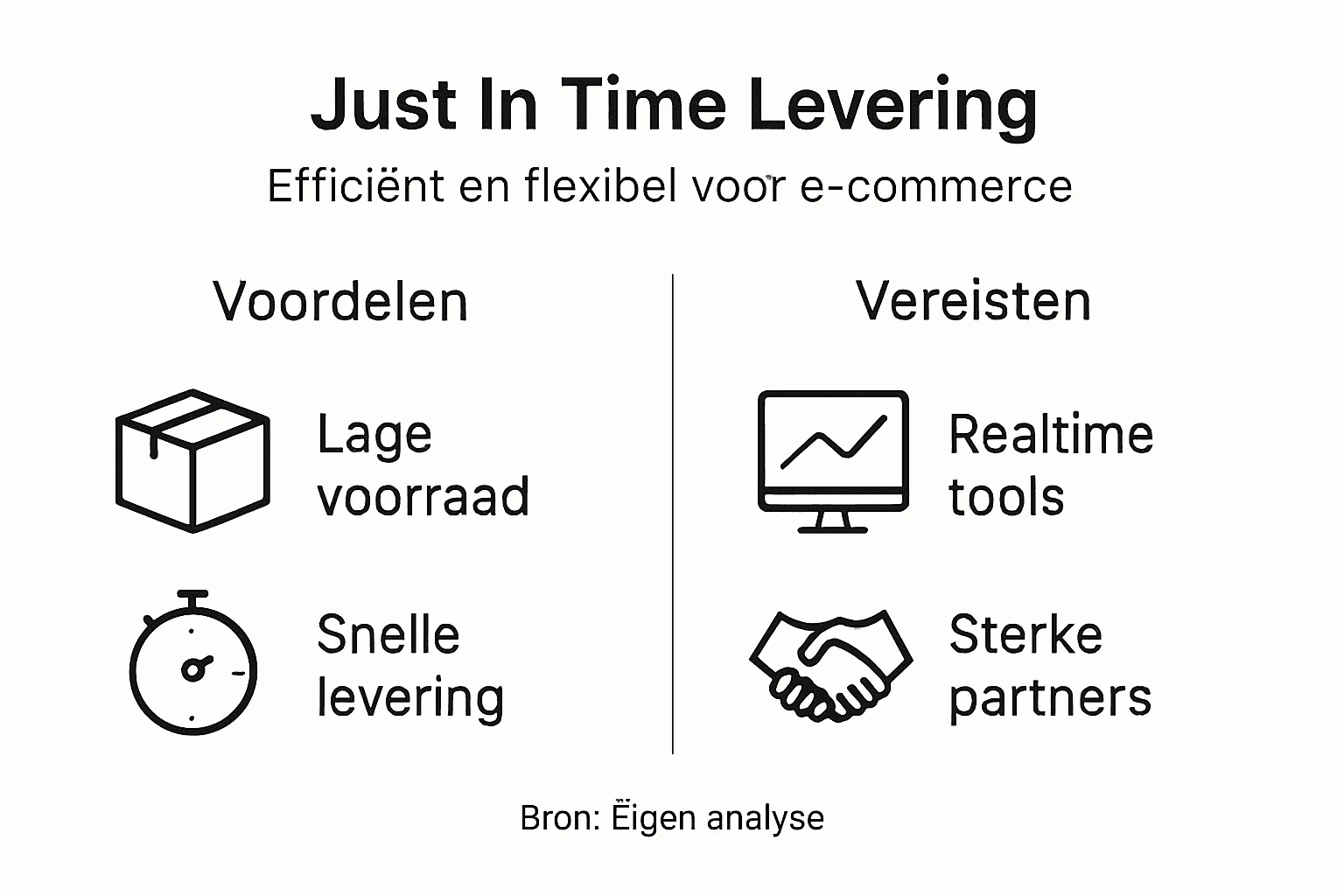
- Definition of JIT DeliveryJust-in-time (JIT) delivery minimizes inventory and storage costs by delivering products at the exact moment they are needed.
- Core Principles of JITJIT revolves around minimal inventory, accurate demand forecasting, and efficient communication within the supply chain.
- Risks of JITJIT delivery carries risks, such as vulnerability to supplier disruptions and high initial costs.
- Technological SupportImplementing JIT requires advanced technologies for real-time tracking and order process automation.
What Does Just-In-Time Delivery Mean?
Just-in-time (JIT) delivery is a revolutionary logistics approach where products are delivered exactly when they are needed. The goal is to minimize inventory costs and storage space by implementing precise logistical planning.
This innovative delivery concept was originally developed in Japan as part of lean manufacturing techniques. It requires a complex, streamlined approach where businesses organize their supply chains so that products are produced and shipped exactly on time.
The core of Just-in-Time delivery revolves around three fundamental principles:
- Maintain minimal inventory
- Create accurate demand forecasts
- Ensure highly efficient communication across all links in the supply chain
For e-commerce businesses, this means purchasing, producing, and shipping only those products directly requested by customers. This not only reduces storage costs but also minimizes the risk of overstock and obsolete inventory.
Just-in-time delivery is more than a strategy—it’s a philosophy of operational excellence.
Implementing JIT requires advanced technological support, such as real-time inventory systems, automated order management, and seamless digital communication between suppliers and sellers.
__Pro-tip:__ Invest in flexible software systems that enable real-time tracking and automated order requests.
Key Features and Functionality in Logistics
Just-in-time (JIT) logistics is an advanced strategy focused on precision and efficiency in the supply chain. The core of this concept is eliminating unnecessary inventory while ensuring operational flexibility.
The JIT system has several crucial features that set it apart from traditional logistics approaches. It emphasizes continuous improvement, waste minimization, and maximum process optimization. Companies implementing JIT focus on creating a highly responsive and lean supply chain.
The key elements of JIT logistics include:
- Real-time information technology
- Automated inventory monitoring
- Accurate demand forecasting
- Advanced communication systems between suppliers
- Optimized production flows
Kanban systems play an essential role in JIT logistics. This visual management method helps businesses streamline production processes and produce exact quantities based on actual demand.
Below is an overview of the differences between traditional logistics and Just-in-Time logistics:
Feature | Traditional Logistics | Just-in-Time Logistics |
|---|---|---|
Inventory Level | High buffer stocks | Near-zero inventory |
Response Speed | Slower, less flexible | Highly responsive, immediate reaction |
Operational Costs | High storage and distribution costs | Low storage costs |
Risk of Waste | Risk of obsolete inventory | Minimal waste |
IT Dependency | Limited | Highly dependent |
JIT logistics is not just a technique but a philosophy of continuous improvement and efficiency.
Implementation requires advanced technological support and a detailed analysis of every step in the production and delivery process. Businesses must invest in flexible systems that enable real-time tracking and automated order requests.
__Pro-tip:__ Develop an integrated communication system that seamlessly connects suppliers, production, and shipping.

Applications in International E-Commerce
In the dynamic world of international e-commerce, Just-in-Time (JIT) delivery is a crucial strategy for businesses looking to optimize cross-border goods flows. This method enables e-commerce businesses to manage international shipments quickly and efficiently with minimal inventory costs.
The application of JIT in international e-commerce is characterized by a streamlined, responsive logistics process that combines real-time information technology and accurate demand forecasting. This allows businesses to flexibly respond to international customer needs and eliminate time-consuming inventory storage processes.
Key application areas for JIT in international e-commerce include:
- Dynamic inventory management across multiple countries
- Rapid adaptation to fluctuating international demand
- Minimizing storage costs in different markets
- Reducing delivery times for international customers
International logistics collaboration plays an essential role in implementing JIT strategies. Businesses must maintain close communication lines with suppliers, carriers, and customs authorities to ensure a smooth flow of goods.
JIT delivery transforms international e-commerce from a complex operation into a streamlined, customer-focused service.
The technological infrastructure is crucial for successful JIT implementation. Advanced tracking systems, integrated communication platforms, and real-time inventory tools form the backbone of effective international JIT strategies.
__Pro tip:__ Invest in flexible logistics software that enables seamless communication between international partners.
Conditions for Successful Implementation
Just-in-Time (JIT) delivery requires a strategic approach with careful preparation and precise implementation planning. Success depends on a holistic approach that perfectly aligns technology, people, and processes.
The critical conditions for effective JIT implementation include a thorough analysis of existing business processes and a clear vision of the desired operational transformation. Management involvement and a culture of continuous improvement are fundamental to the success of this strategy.
Essential implementation conditions include:
- Advanced real-time information systems
- Close collaboration with suppliers and partners
- Flexible and adaptable business processes
- Continuous employee training and development
- Robust technological infrastructure
- Detailed risk analysis processes
Organizational agility is crucial in the implementation of JIT strategies. Companies must be able to anticipate changes and respond quickly to disruptions in the supply chain.
Successful JIT implementation is not a one-time effort but an ongoing transformation process.
The technological components require advanced integration systems that enable real-time data exchange, accurate forecasting models, and automated decision-making processes.
__Pro tip:__ _Develop a phased implementation plan with clear milestones and regular evaluation points to monitor progress._
Risks, Costs, and Pitfalls of JIT Delivery
Just-in-Time (JIT) delivery carries significant risks that companies must carefully evaluate. Supply chains become vulnerable due to the lack of buffer stocks, making external disruptions potentially impactful.
The primary risks of JIT delivery center around three core challenges: operational vulnerability, technological dependency, and financial complexity. Without strategic risk management, these factors can lead to significant business disruptions and unexpected cost increases.
Key risks and pitfalls include:
- Extreme sensitivity to supplier disruptions
- High initial implementation costs
- Limited crisis management capabilities
- Complex technological integration requirements
- Increased dependency on real-time information systems
- Vulnerability to geopolitical and economic fluctuations
Technological resilience is crucial to compensate for the inherent vulnerability of JIT systems. Companies must invest in flexible infrastructures that can quickly adapt to unexpected disruptions.
JIT strategies require a balance between efficiency and risk mitigation.
The financial implications of JIT delivery are complex. While the method potentially offers significant cost savings, it also demands substantial initial investments in technology, training, and process redesign.
Below is a concise summary of the key risks and mitigation strategies for JIT delivery:
Risk | Potential Impact | Mitigation Strategy |
|---|---|---|
Supplier disruptions | Production halt and customer loss | Identify alternative suppliers |
Technological failure | Loss of visibility and control | Backup and redundant systems |
Geopolitical fluctuations | Delays and additional costs | Buffer stocks for critical components |
Inaccurate demand forecasts | Stockouts or overstock | Continuous improvement of forecasting models |
__Pro tip:__ Develop a layered risk strategy with alternative suppliers and maintain partial buffer stocks for critical components.
Optimize Your Just-In-Time Delivery with Parcel International
Just-In-Time delivery emphasizes the importance of precise timing and minimal inventory costs in a dynamic e-commerce environment. To achieve this efficient logistics, it is crucial to have a reliable partner that can handle international shipments quickly and flexibly. With the complexity of global supply chains and the need for real-time communication, it can be challenging to avoid overstocking while still serving customers immediately.
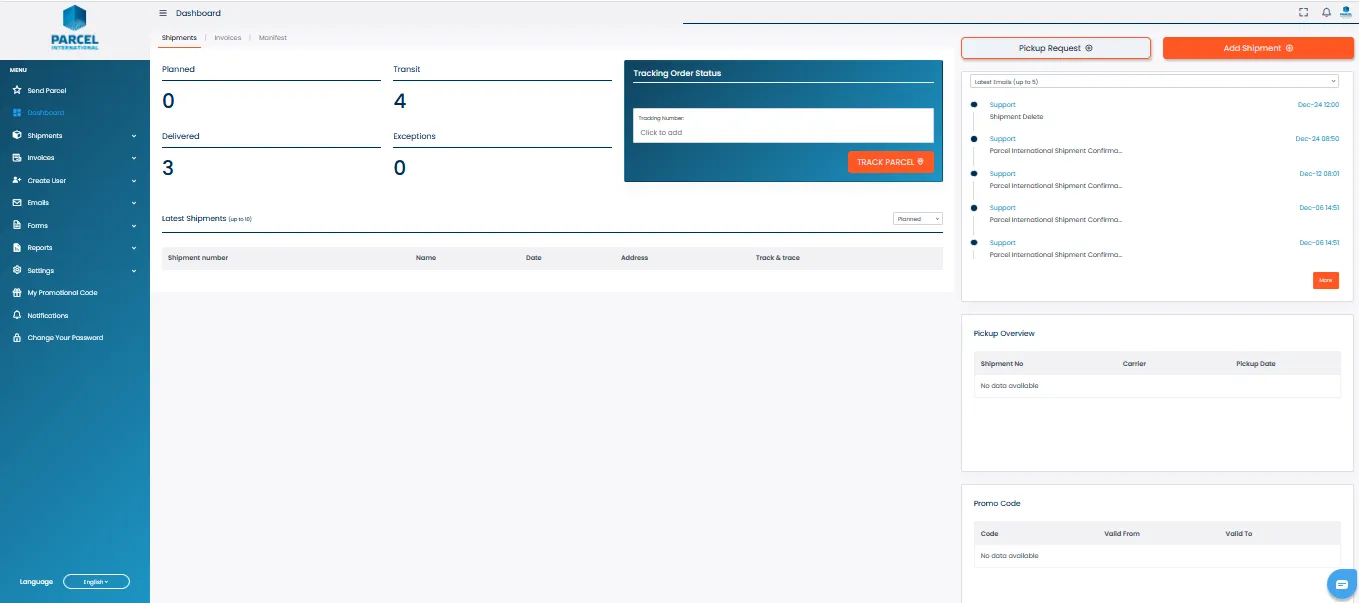
With over 15 years of experience, Parcel International helps you achieve this balance. Through our advanced technology and extensive network covering 220 countries, you gain the control over your shipments that is essential for Just-In-Time logistics. Save on storage costs and prevent overstock by leveraging our transparent carrier comparisons and flexible international shipments. Start optimizing your international deliveries today and experience the benefits of a logistics partner that understands what JIT means for your e-commerce. Discover how you can ship faster, smarter, and more cost-effectively with Parcel International and create a streamlined supply chain ready for the future.
just-in-time-delivery
Can't find your question? Our support team is here for you 24/7 via the help centre.
What is cross-docking?
Cross-docking is a logistics method where goods are directly transferred from inbound to outbound vehicles without long-term storage. This accelerates shipping and reduces costs.
What is groupage shipping?
A groupage shipment is a logistics solution in which loads from different senders are combined into one transport, resulting in more efficient and cost-saving transport.
What is Just In Time Delivery?
Just-in-Time (JIT) delivery is a logistics approach where products are delivered exactly when needed, minimizing inventory costs and storage space.
What is first mile delivery?
First mile delivery is the initial phase of the logistics chain where products are collected from the supplier or manufacturer and prepared for further shipment.
What is package consolidation?
Parcel consolidation is a logistics strategy where multiple smaller packages are combined into a single larger shipment. This helps reduce shipping costs and improve transport efficiency.
What is parcel routing?
Parcel routing is a logistics process that determines how packages take their most efficient journey through transportation networks, considering variables such as distance, transport modes, and real-time conditions.
What is Shipping Management?
Shipping management is the process of coordinating and managing all logistics activities to transport goods efficiently and securely from one location to another. It includes planning, tracking, and risk management.
What is package forwarding?
Parcel forwarding is a logistics service where a company acts as an intermediary for shipping packages to hard-to-reach destinations.
What is Parcel Throughput?
Cross-docking is a logistics process where packages are shipped through a central distribution center instead of directly from sender to recipient.
What are split shipments?
Split shipments are shipping methods where a single order is divided and sent in multiple packages, often because products come from different warehouses.
What is international last mile?
International last mile refers to the final segment of the shipping process where a parcel reaches its ultimate destination. It involves significant logistical challenges and is crucial for customer satisfaction.
What is a freight audit?
A freight audit is the process where e-commerce companies review and analyze their shipping invoices to ensure they are not overpaying for transportation costs.
What is a secure shipment?
A secure shipment involves a process that ensures the safety and integrity of goods during transport through load securing, pre-shipment inspection, and compliance with transportation regulations.
What is pre-shipment inspection?
Pre-shipment inspection is a quality control process conducted by independent third parties to verify that products meet technical specifications and packaging standards before shipment.
What is international distribution?
International distribution is the process of shipping products from the supplier to the end user, involving various logistics steps and customs procedures.
What is order picking and why is it important?
Order picking is the process of collecting and assembling products for specific customer orders. It is essential for customer satisfaction and operational efficiency in e-commerce logistics.
What are the different order picking methods?
There are several order picking methods, including manual picking, automated picking, batch picking, and zone picking. Each method has its own advantages and disadvantages depending on a company's specific needs.
How does order picking impact a company's costs?
Order picking has a significant impact on operational costs, including labor, time, error, and infrastructure expenses. A well-optimized system can substantially reduce these costs.
What are the key technologies that optimize order picking?
Technological innovations such as robotics, augmented reality, artificial intelligence, and the Internet of Things improve the efficiency and accuracy of order picking by streamlining processes and providing real-time insights.
What exactly is indirect shipping?
Indirect shipping includes dropshipping, marketplaces, and engaging freight forwarders or distributors. In all these models, a third party handles part of the transportation or storage.
When is direct shipping better for my online store?
Direct shipping is more advantageous when you want maximum control over inventory, packaging, and customer experience. Shipping directly from your own stock without intermediaries yields higher margins and better customer satisfaction at sufficient volume.
Is hybrid shipping possible and worthwhile?
Yes, many online stores start with indirect shipping and transition to a hybrid model as they grow. Begin with indirect shipping at low volumes and switch to direct or hybrid once control and economies of scale become more important.
What is more important for international shipments: direct or indirect shipping?
For international shipments, customs procedures and risk distribution are often more decisive than the shipping model alone. Customs representation in non-EU trade is crucial to avoid delays and additional costs, regardless of the model you choose.
What are the key benefits of fulfillment logistics?
Fulfillment logistics ensures faster and more reliable order processing and improved customer satisfaction, thanks to high order accuracy and quick returns handling.
How long does returns processing take in fulfillment logistics?
According to industry benchmarks, returns processing is completed within 48 to 72 hours by professional fulfillment providers.
What fulfillment models are available for e-commerce businesses?
You can handle fulfillment in-house for full control, outsource to a 3PL partner for scalability, or choose a hybrid combination of both models.
Why is fulfillment logistics important for international e-commerce?
It optimizes the entire order chain from picking to returns, which is essential for growth in a rapidly expanding cross-border market.
What is last-mile delivery and why is it such a challenge?
Last-mile delivery is the final leg of the delivery journey: from the depot or distribution center directly to the customer's home. It is challenging because this segment is the least predictable, with fluctuating traffic conditions, absent customers, and high costs per stop. Last-mile delivery is therefore the largest cost factor in e-commerce logistics and is the first area requiring optimization.
What are the benefits of reducing returns with smart technologies?
Fewer returns mean lower processing costs, faster inventory availability, and higher customer satisfaction. In the fashion industry, where return rates can be high, AI-driven size recommendations and 360-degree product images make the difference between profit and loss per order.
How important is sustainable logistics for conversion?
Sustainable shipping options have become a proven conversion tool. Online stores that offer green delivery choices during checkout often see an increase in conversion rates and a reduction in delivery trips, which also lowers operational costs.
Is outsourcing logistics better for every online store?
Not for every online store or at every stage of growth. For online stores with high volume and international expansion, outsourcing to a 3PL partner is almost always more efficient. For small online stores with highly personalized products, in-house management has advantages. Outsourcing fulfillment to 3PL partners works best when you also maintain internal control over quality and communication.
Get a grip on your parcel shipping
Compare carriers, choose the best price and keep track of your international shipments. You can calculate and book without an account.
