
Getting a package safely and quickly to Germany or Poland without unexpected issues along the way is a daily challenge for many online stores. The diversity of national regulations and logistics providers often leads to confusion around international shipping. Multi-Carrier Shipping not only offers greater flexibility but also helps reduce errors and increase customer satisfaction through modern software and integration with various carriers. Discover the opportunities and pitfalls this smart approach presents for your growing e-commerce business.

Key Takeaways
- Multi-Carrier Shipping Boosts EfficiencyUsing multiple carriers gives businesses more control over their shipping processes, allowing them to respond more flexibly to customer needs.
- Technological Integration Is EssentialModern multi-carrier platforms automate shipping processes and provide real-time communication, enhancing customer satisfaction.
- Continuous Optimization Is CrucialE-commerce businesses must regularly analyze and adjust their shipping strategies to remain competitive.
- Avoid Common MistakesA structured approach to implementing multi-carrier systems helps businesses prevent strategic errors and perform better.
Multi-Carrier Shipping: Key Concepts and Misconceptions
Multi-Carrier Shipping is a modern logistics strategy where e-commerce businesses use different carriers for their shipping processes. It’s not just about simply choosing multiple providers but about a smart, integrated approach that can significantly increase shipping efficiency and flexibility.
The core idea behind multi-carrier shipping is simple yet powerful: by using multiple carriers businesses gain more control and options when shipping packages. This means companies are not dependent on a single carrier but can switch between different providers based on:
- Price
- Delivery Time
- Geographic Coverage
- Specialized Shipping Requirements
- Carrier Availability
The benefits of this approach are significant. Multi-Carrier Software enables full automation and optimization of the shipping process. This allows businesses to communicate in real-time with different carriers, minimize errors, and improve overall customer satisfaction.
Multi-carrier shipping is not just a technical solution but a strategic approach that gives e-commerce businesses more flexibility and control.
__Pro-tip:__ Invest in robust multi-carrier software that seamlessly integrates with your existing e-commerce platform to maximize shipping efficiency.
Exploring Different Multi-Carrier Strategies
E-commerce businesses looking to grow must approach their shipping logistics strategically. A multi-carrier strategy provides the ideal solution by ensuring flexibility and continuity.
For successful implementation, experts recommend a structured five-step approach to help businesses optimize their shipping processes:
- Analysis of Shipping Volumes
- Selection of Suitable Carriers
- System Integration
- Implementation of Automation
- Continuous Monitoring and Optimization
Each strategy has its own advantages and disadvantages. Some e-commerce businesses opt for a geographically differentiated approach, deploying different carriers per region. Others focus on cost optimization by continuously comparing rates and services.
Multi-carrier strategies are not static but a dynamic process that requires ongoing attention and adaptation.
The key benefits of a multi-carrier approach include:
- Increased Delivery Reliability
- Better Negotiation Positions
- Risk Diversification
- Flexible Adaptation Options
- Long-Term Cost Savings
__Pro-tip:__ Invest in flexible shipping technology that can easily switch between different carriers to successfully implement your multi-carrier strategy.
Why Multi-Carrier Works for Online Stores with International Customers
Online stores with international customers face unique challenges in the global shipping market. International shipping is characterized by complex logistics infrastructures, varying national regulations, and a diverse range of transport options. A multi-carrier strategy provides these e-commerce businesses with crucial flexibility to navigate these challenges effectively.
Shipping to different European countries is particularly complex. Countries like Germany, Poland, the Czech Republic, and Hungary each have their own logistics ecosystems, making the choice of the right carrier essential for optimizing shipping processes.
The key benefits for these online stores include:
- Lower shipping costs through carrier competition
- Faster delivery through local and regional expertise
- Increased customer satisfaction with more shipping options
- Better coverage in different European markets
- Flexibility during seasonal demand fluctuations
A successful multi-carrier approach requires more than just selecting multiple carriers—it’s about strategic integration and continuous optimization.
Online stores must consider specific regional factors such as tax legislation, customs regulations, and local preferences. Technological Integration plays a key role here, with modern software enabling quick switching between carriers.
__Pro-tip:__ Regularly analyze your shipping data and compare the performance of different carriers to continuously improve your multi-carrier strategy.

Technology and Integration in Multi-Carrier Platforms
Multi-carrier platforms form the technological backbone of modern e-commerce shipping logistics. These advanced systems enable the streamlining and optimization of complex shipping processes through seamless integration of various technological components.
The core of these platforms lies in their ability to automate shipping processes through advanced software integration. Modern multi-carrier platforms offer capabilities that far exceed traditional shipping methods.
Core features of modern multi-carrier technology include:
- Real-time communication with multiple carriers
- Automated route selection based on cost and efficiency
- Integrated tracking and status updates
- Dynamic pricing calculation
- Seamless integration with e-commerce platforms
Technological integration is no longer a luxury but a necessity for e-commerce businesses aiming to compete in today's digital market.
The technological architecture of multi-carrier platforms is complex and multi-layered. It requires advanced API integrations, automated decision-making algorithms, and flexible connections with both external carriers and internal business systems.
Below is a comparison of common technical features of modern multi-carrier platforms:
Feature | Business benefit | Impact on customer experience |
|---|---|---|
Real-time tracking | Fast status updates | Transparent shipping information |
Dynamic pricing calculation | Quick implementation of changes | Always offering the best price |
Automated routing | Efficient shipping selection | Faster possible delivery time |
Seamless integration | Fewer manual actions | Fast ordering and shipping |
__Pro-tip:__ Invest in scalable multi-carrier technology that can easily adapt to changing logistics requirements and growing business needs.
Risks, costs, and comparison with single carrier
E-commerce entrepreneurs must critically evaluate the pros and cons of multi-carrier versus single-carrier shipping strategies. Multi-carrier shipping offers greater flexibility but also presents specific challenges and risks that must be carefully weighed.
When comparing shipping options, several crucial factors come into play. Single-carrier strategies may seem attractive due to their simplicity but lack the flexibility required by modern e-commerce.
Key differences between multi-carrier and single-carrier approaches:
- Cost variability
- Delivery reliability
- Geographic coverage
- Negotiation margin
- Risk distribution
Single-carrier strategies create vulnerability, while multi-carrier approaches provide resilience and adaptability.
The financial risks of a single-carrier strategy can be significant. When one carrier fails or suddenly increases rates, the entire shipping process comes under pressure. Multi-carrier platforms, on the other hand, allow for quick switching between different carriers.
Below is an overview of the differences between multi-carrier and single-carrier strategies:
Characteristic | Multi-carrier approach | Single-carrier approach |
|---|---|---|
Operational flexibility | Can easily switch between carriers | Dependent on one carrier |
Customer service | More shipping options available | Limited shipping options |
Risk during outages | Risk distributed across multiple carriers | Increased risk during disruptions |
Price control | Better rate comparison | Less negotiation room |
International coverage | Adaptable per region or country | Limited to one carrier’s coverage |
__Pro-tip:__ Conduct regular detailed cost-benefit analyses to determine the most suitable shipping strategy for your specific business situation.
Making smart choices: avoiding common mistakes
Multi-carrier strategies can be a game-changer for e-commerce businesses but require a focused and well-thought-out approach. Many entrepreneurs stumble over the same obstacles when optimizing their shipping logistics.
Experts emphasize that strategic mistakes can be avoided by adopting a structured and analytical approach. It is crucial not to rush when implementing multi-carrier systems.
Most common mistakes in multi-carrier implementation:
- Switching between carriers too quickly without thorough analysis
- Insufficient system integration
- Lack of clear selection criteria
- Absence of continuous performance monitoring
- Not accounting for regional differences
A successful multi-carrier strategy requires more than just collecting multiple carriers—it’s about making smart, integrated choices.
The critical success factors lie in accurately defining business-specific shipping requirements. Entrepreneurs must consider not only costs but also reliability, coverage, and technical compatibility of shipping platforms.
__Pro-tip:__ Develop a detailed evaluation framework with measurable criteria to objectively compare the performance of different carriers.
Optimize your international shipping with multi-carrier solutions
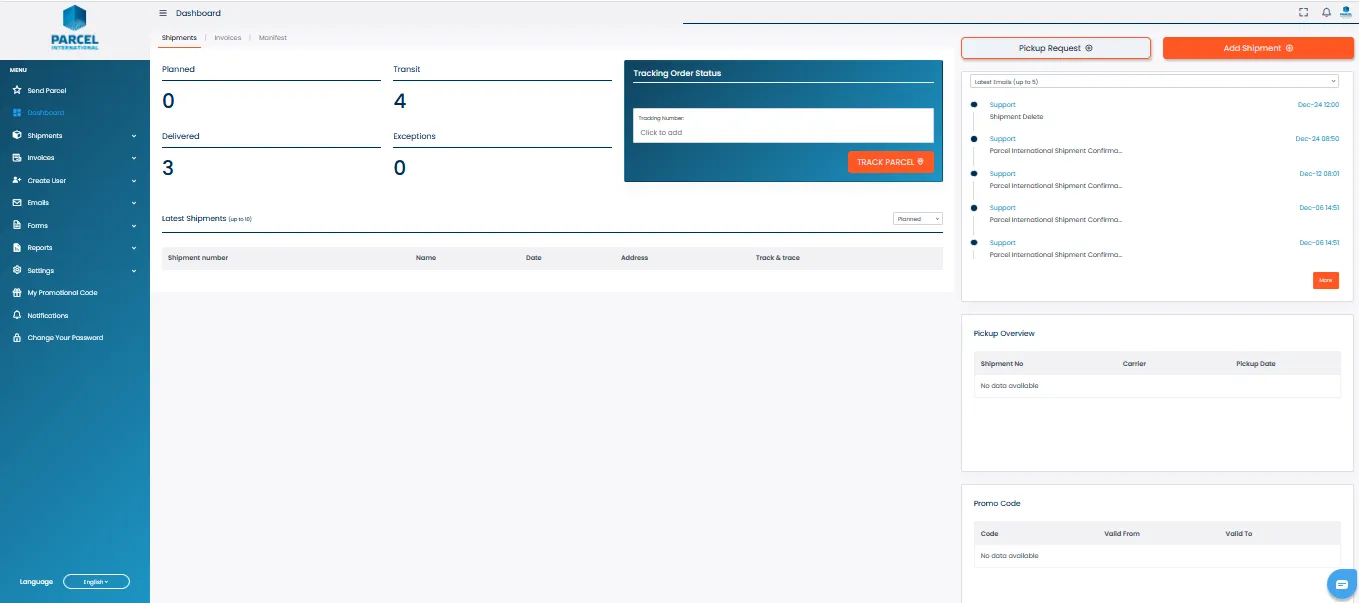
The challenge of multi-carrier shipping lies in choosing between different carriers based on price, delivery time, and regional coverage. For e-commerce businesses aiming to grow, it is essential to remain flexible, distribute risks, and increase customer satisfaction. Parcel International understands these pain points and offers a modern, user-friendly solution that allows you to easily compare and select global shipments. This way, you retain control over your shipping choices without compromising efficiency.
Want to benefit from the advantages of a smart multi-carrier strategy? Discover how our experience since 2007 in over 220 countries helps you achieve fast and reliable shipments. Visit Parcel International Compare your shipping costs directly and choose the best carrier. Start optimizing your shipping process today and experience how easy international shipping can be.
Want to learn more about our innovative solutions? With Parcel International, you can compare and book shipments with multiple carriers from a single platform.
## Frequently Asked Questions
What is multi-carrier shipping?
Multi-carrier shipping is a logistics strategy where e-commerce businesses use multiple carriers to ship parcels, leading to greater control and flexibility in the shipping process.
What are the benefits of using multi-carrier software?
Multi-carrier software automates and optimizes the shipping process, enabling businesses to communicate with carriers in real time, minimize errors, and enhance customer satisfaction.
How can an e-commerce business optimize its shipping process with multi-carrier strategies?
By following a structured approach, such as:
- analyzing shipping volumes,
- selecting suitable carriers, and
- implementing systematic monitoring and optimization.
Which technical features are important in multi-carrier platforms?
Key technical features include:
- real-time tracking,
- dynamic pricing calculation,
- automated routing, and
- seamless integration with e-commerce platforms.
Get a grip on your parcel shipping
Compare carriers, choose the best price and keep track of your international shipments. You can calculate and book without an account.
