
An international shipment can surprisingly quickly lead to complex paperwork and unexpected costs. For many European e-commerce businesses, logistics presents the biggest challenge in cross-border growth. A freight forwarder acts as a strategic partner that not only streamlines shipping processes but also helps minimize costs through expertise and efficient coordination. Discover how this specialist helps your business ship internationally in a smarter and more cost-effective way.
Key Points
Point | Details |
|---|---|
Role of the Freight Forwarder | Freight forwarders coordinate the transportation process and are essential for managing international logistics. |
Types of Freight Forwarders | There are various specializations, such as road, seaport, air freight, and customs forwarders, each with their unique expertise. |
Optimizing Shipping Processes | Freight forwarders use technology and strategies like real-time monitoring and cost analysis to improve efficiency. |
Legal Obligations | Freight forwarders must comply with complex legal regulations and responsibilities, ensuring proper documentation and customs formalities. |
What Does a Freight Forwarder Do Exactly?
A freight forwarder is a crucial link in international logistics and goods transportation. They function as specialized coordinators who manage and optimize the entire transportation process of goods. Professionals in this role ensure that shipments move smoothly from one location to another, tackling complex administrative and logistical challenges.
According to Wikipedia’s definition a freight forwarder organizes the transport of goods and handles all administrative processing. Their core responsibilities include:
- Coordination between shipper and carrier
- Handling customs formalities
- Conducting price inquiries
- Organizing storage
- Negotiating transport rates
The role of a freight forwarder is particularly complex and requires detailed knowledge of international transport regulations, various shipping methods, and administrative processes. Depending on the specific industry and customer needs, a freight forwarder may specialize in different modes of transport such as road, air, sea, or specific customs matters.
Within the e-commerce landscape, a freight forwarder plays an essential role by streamlining international shipping processes. They help businesses not only navigate complex logistical challenges but also optimize the cost structure and efficiency of goods transportation. Through specialized knowledge and networks, a freight forwarder can achieve significant savings and faster turnaround times for companies doing business internationally.
Pro Tip: Always select a freight forwarder with proven experience in your specific industry and desired shipping routes to ensure the most efficient logistics solution.
Explaining Different Types of Freight Forwarders
In the logistics world, freight forwarders are not a uniform profession but rather professionals with diverse specializations. They are multifunctional agents who move goods on behalf of the owner and focus on different modes of transport.
The main types of freight forwarders are:
- Road Freight Forwarders: Specialized in land transport via road and rail
- Seaport Freight Forwarders: Coordinate container shipping and maritime logistics
- Air Freight Forwarders: Act as agents for airlines
- Customs Brokers: Specialized in customs formalities and import duties
Wikipedia’s detailed description confirms that these specialists often have overlapping responsibilities, particularly in international transport. For example, a forwarder organizing international shipments may also handle customs matters.
The distinction between these types of freight forwarders lies primarily in the specific mode of transport and the associated technical and administrative requirements. An air freight forwarder, for instance, requires different competencies than a road freight forwarder due to the complexity of air transport.
Below is an overview of the differences and similarities between the main types of freight forwarders:
Type of Freight Forwarder | Unique Expertise | Most Common Transport Mode |
|---|---|---|
Road Freight Forwarder | National/regional network | Trucks, railways |
Seaport Freight Forwarder | Container logistics, ports | Ocean vessels, multimodal |
Air Freight Forwarder | Express shipping, customs formalities | Aircraft, intercontinental |
Customs Broker | Import duties, compliance | All international routes |
Pro Tip: Choose a freight forwarder who not only specializes in your desired mode of transport but also has proven experience in your specific industry or product category.
How Freight Forwarders Optimize Shipping Processes
Freight forwarders are experts in streamlining complex shipping processes by applying advanced strategies and technological solutions. Technological innovations such as data analytics and artificial intelligence play a crucial role in this.
Their optimization strategies include:
- Dynamic Route Planning: Selecting the most efficient transport routes
- Real-Time Monitoring: Continuous tracking of shipments
- Cost Analysis: Comparing and negotiating transport rates
- Automated Document Processing: Minimizing administrative errors
Wikipedia’s description confirms that freight forwarders optimize shipping processes by intelligently coordinating transport, selecting the best carriers, and offering additional services such as storage and consolidation. They continuously balance costs, speed, and reliability.
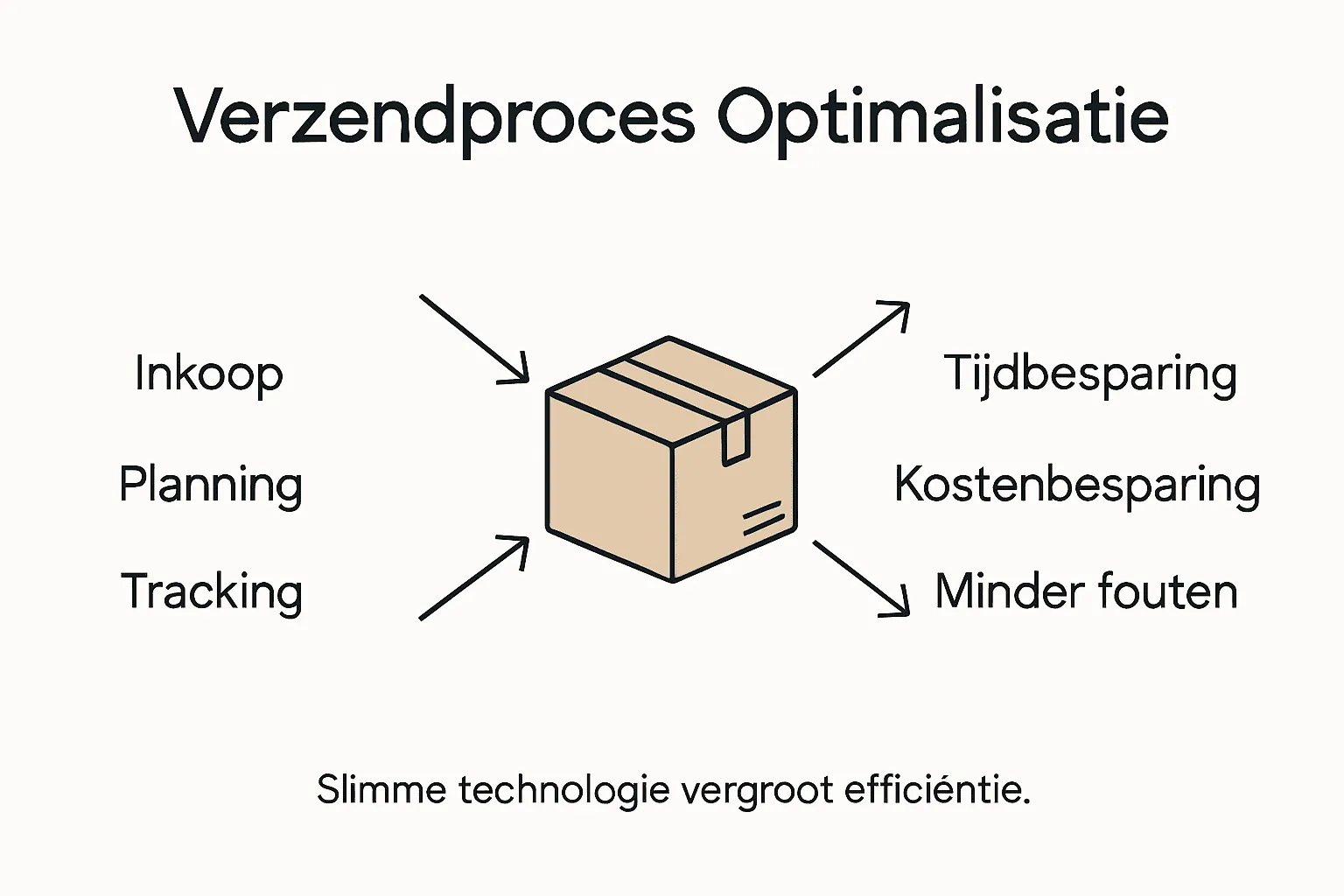
By leveraging advanced technological tools, freight forwarders can not only increase efficiency but also enhance the sustainability of logistics processes. They act as a pivotal link between shippers, consignees, and various transport modalities, enabling them to streamline and optimize complex logistics challenges.

The diagram below illustrates how a freight forwarder utilizes various technological tools to optimize shipping processes:
Technology | Applied Benefit | Business Impact |
|---|---|---|
Data Analytics | Identification of Delays | Faster Turnaround Times |
Track & Trace Systems | Real-Time Visibility | Fewer Customer Inquiries |
Automated Documentation | Reduced Human Errors | Lower Administrative Costs |
Cost Analysis Software | Better Rate Comparison | Enhanced Negotiation Power |
Pro Tip: Ask potential freight forwarders about their technological capabilities and data-driven approaches for process optimization.
Legal and Contractual Obligations in Freight Forwarding
Freight forwarders operate within a complex legal landscape, requiring strict compliance with numerous regulatory obligations. European legislation for goods transport imposes stringent requirements on international trade transactions and transport processes.
Key legal obligations include:
- Document Management: Proper preparation and management of transport documents
- Customs Compliance: Adherence to international customs regulations
- Liability Limitation: Minimizing legal risks
- Safety Standards: Ensuring safe goods transport
Specific regulations for hazardous goods require freight forwarders to perform detailed classification, packaging, and labeling. For example, the ADR agreement sets detailed requirements for the transport of hazardous materials.
Contractual obligations extend beyond administrative tasks. Freight forwarders must provide full transparency, assess risks, and understand the legal implications of each shipment. This demands continuous training and a proactive approach to regulatory changes in international logistics.
Pro Tip: Conduct periodic legal audits of your freight forwarding processes to identify potential compliance risks early.
Cost Structure and Alternatives in Logistics
The logistics cost structure is complex and dynamic, with numerous factors influencing the final price. Cost calculation in logistics includes both direct and indirect costs that must be accurately analyzed and optimized.
Key cost components are:
- Direct Costs: Fuel, transport vehicles, driver salaries
- Indirect Costs: Administration, overhead, insurance
- Technological Investments: Tracking systems, software licenses
- Infrastructure Costs: Storage, transshipment, customs clearance
Modern freight forwarders use advanced methods such as activity-based costing to allocate costs in detail. By leveraging economies of scale, digital tools, and efficient planning strategies, they can significantly optimize the cost structure.
Alternatives in logistics range from traditional transport methods to innovative, data-driven solutions. E-commerce businesses can choose between different freight forwarding models, such as shared shipments, multimodal transport, or just-in-time delivery strategies, depending on their specific needs and budgetary considerations.
Pro Tip: Conduct periodic detailed cost analyses to identify and eliminate hidden inefficiencies in your logistics processes.
Discover how Parcel International makes your international shipments more efficient
The role of a freight forwarder is complex and requires in-depth knowledge of transport, customs legislation, and cost optimization. This can quickly become overwhelming for e-commerce businesses aiming to ship their products globally in an efficient and reliable manner. Challenges such as opaque costs, complicated customs formalities, and selecting the best transport modality are daily hurdles for entrepreneurs.
At Parcel International we fully understand these pain points. We offer a straightforward platform where you can compare global carriers and always choose the best option for your shipment. Whether you opt for air freight, sea freight, or road transport, we ensure clarity, reliable communication, and competitive rates so you can focus on growing your business.

Don’t wait any longer to improve your international logistics. Take advantage of our expertise and advanced tools that make shipments faster and more cost-effective. Start comparing and booking your shipments on Parcel International today and experience firsthand how simple efficiency can be. Want to learn more about our solutions? Visit this page for all your questions and options.
Can't find your question? Our support team is here for you 24/7 via the help centre.
What is the role of a freight forwarder in e-commerce?
A freight forwarder acts as the coordinator of the transportation process, manages customs formalities, and ensures efficient handling of shipments, which is crucial for e-commerce businesses.
How do freight forwarders optimize shipping processes?
Freight forwarders optimize shipping processes by using dynamic route planning, real-time monitoring, and automated document processing, leading to increased efficiency and lower costs.
What are the different types of freight forwarders?
There are various types of freight forwarders, including road freight forwarders, air freight forwarders, sea freight forwarders, and customs forwarders, each specializing in specific transport modalities and processes.
Which cost components are involved in freight forwarders' logistics?
Key cost components include direct costs such as fuel and transport equipment, indirect costs such as administration, and infrastructure costs such as storage and customs handling.
Get a grip on your parcel shipping
Compare carriers, choose the best price and keep track of your international shipments. You can calculate and book without an account.
