
Shipping products globally requires more than just logistical planning. E-commerce businesses experience daily how cross-border regulations, customs processes, and local market differences impact their distribution chains. With a growing range of shipping methods and the complexity of international regulations, choosing the right distribution strategy is increasingly important. Discover how a smart approach to international distribution leads to lower costs, more efficient shipping, and reliable partnerships.

Key Points
- International distribution is strategicIt goes beyond logistics; it is crucial for business profitability.
- Choose the right shipping methodShipping costs, delivery time, and product characteristics are essential when making choices.
- Accurate customs documentation is essentialIncorrect or incomplete documentation can lead to delays and financial penalties.
- Avoid common mistakesDetailed preparation and collaboration with reliable partners are recommended.
What international distribution means
International distribution is a complex logistics process where products are moved from origin to final destination across borders. It involves much more than simply shipping goods—it is a strategic approach to international goods flows.
These distribution processes include several critical components:
- Sourcing raw materials: Selecting suppliers in different countries
- Transport planning: Efficient routing across international borders
- Customs clearance: Navigating complex import/export regulations
- Local market adaptation: Adapting to specific regional requirements
For e-commerce entrepreneurs, international distribution means the ability to seamlessly move products worldwide. Strategic decisions play a crucial role, such as choosing between sole sourcing (one supplier) or multi-sourcing (multiple suppliers).
International distribution is more than logistics—it is a strategic business function that directly impacts profitability.
Businesses must consider numerous variables such as transportation costs, lead times, risk diversification, and local market conditions. The complexity increases as more countries and continents are involved.
Below is an overview of distribution strategies and their impact on international e-commerce:
Distribution Strategy | Business Impact | Risk Management | Flexibility |
|---|---|---|---|
Sole sourcing | Lower costs due to economies of scale | High risk in case of supply issues | Limited flexibility, dependent on one supplier |
Multi-sourcing | Better supply reliability and availability | Reduced impact from disruptions | High flexibility for demand and market changes |
3PL outsourcing | External expertise for transport and storage | Risk diversification through specialist partners | Highly flexible, adaptable to diverse markets |
__Pro-tip:__ Invest in flexible distribution strategies that can quickly switch between different supply chains and transport methods.
Different Shipping Methods and Their Applications
In international distribution, various shipping methods are available, each offering unique advantages for e-commerce businesses. Logistics service providers play a crucial role in selecting the most suitable transport option for specific products and destinations.
The main international shipping methods include:
- Air freight: Ideal for fast delivery of lightweight and high-value goods
- Sea freight: Suitable for large volumes and heavy products with longer lead times
- Road transport: Perfect for regional and continental shipments
- Intermodal transport: Combination of different transport methods for optimal efficiency
E-commerce businesses must consider specific factors when choosing a shipping method, such as shipping costs, delivery time, product characteristics and final destination. Modern logistics strategies increasingly use 3PL (third-party logistics) to optimize shipping processes.
The right shipping method can make the difference between profitable and unprofitable international sales.
When selecting a shipping method, factors such as product weight, fragility, urgency, and cost considerations play a decisive role. Some products require special handling or specific transport conditions, further complicating the choice.
This table provides a comparison of international shipping methods for e-commerce:
Shipping Method | Speed | Cost Structure | Suitable for |
|---|---|---|---|
Air freight | Very fast, within days | High, price per weight | Lightweight, high-value goods |
Sea freight | Slower, 2-8 weeks | Low per volume | Bulky products, large shipments |
Road transport | Moderate, several days to weeks | Variable, depending on distance | Regional distribution, small loads |
Intermodal | Optimized through combination | Moderate, depending on routes | Complex routes, multi-country destinations |
__Pro-tip:__ Analyze the specific requirements of your product and destination in advance to choose the most cost-effective and reliable shipping method.
Customs Clearance and International Regulations
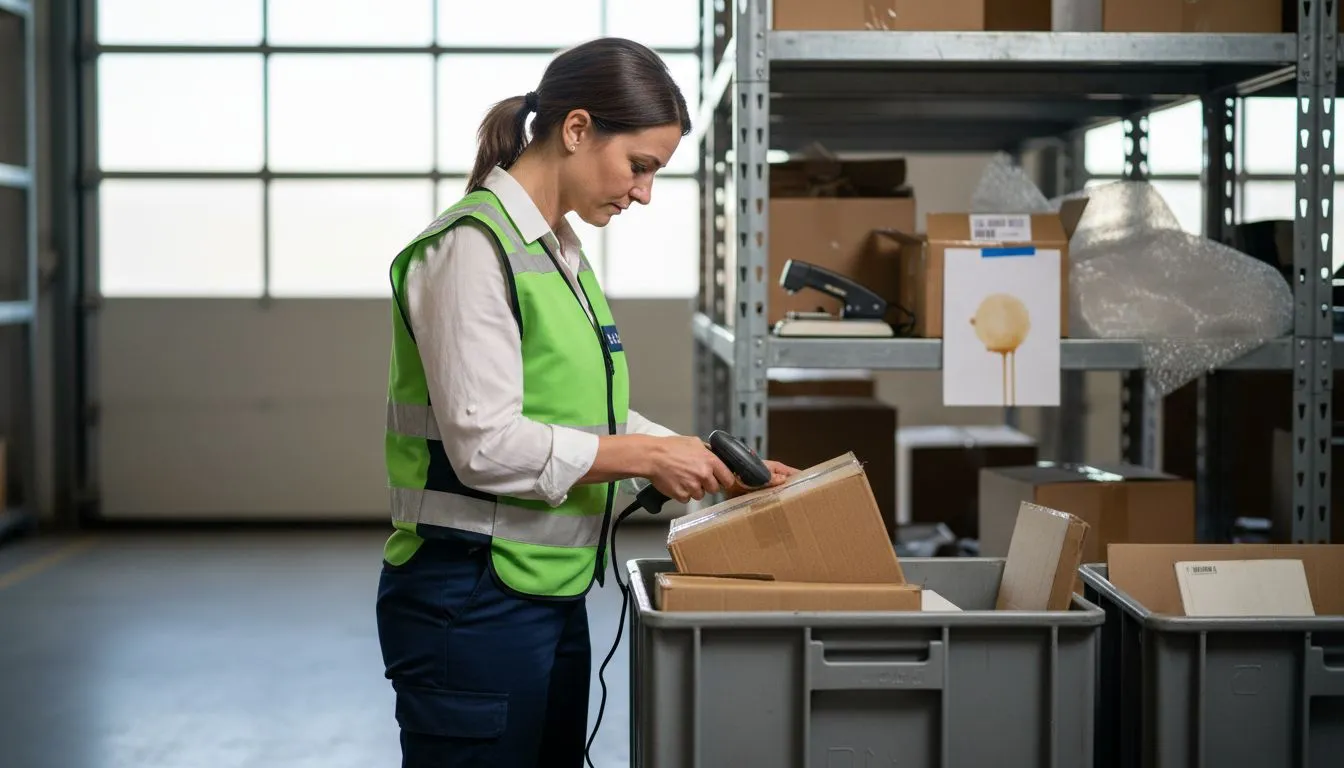
Customs clearance is a complex and critical part of international e-commerce distribution. International trade regulations determine how successfully goods can pass through countries, with numerous administrative requirements and potential obstacles.
The key aspects of customs clearance include:
- Tariff classification: Use of harmonized tariff codes (HTS)
- Import duties: Calculation of taxes and fees
- Permit requirements: Specific documentation per product category
- Trade restrictions: Compliance with international export and import rules
E-commerce entrepreneurs must account for complex regulatory processes can vary by country. Modern logistics strategies require a deep understanding of local and international regulations to prevent delays and additional costs.
Accurate customs documentation is not merely an administrative task, but an essential requirement for successful international trade.
For businesses looking to sell internationally, it is crucial to understand the specific regulatory requirements of target countries. Countries enforce different standards for product safety, environmental regulations, taxation, and product qualifications.
__Pro-tip:__ Invest in specialized customs software or consult experts who closely monitor the latest international trade regulations.
Cost and tax considerations in shipping
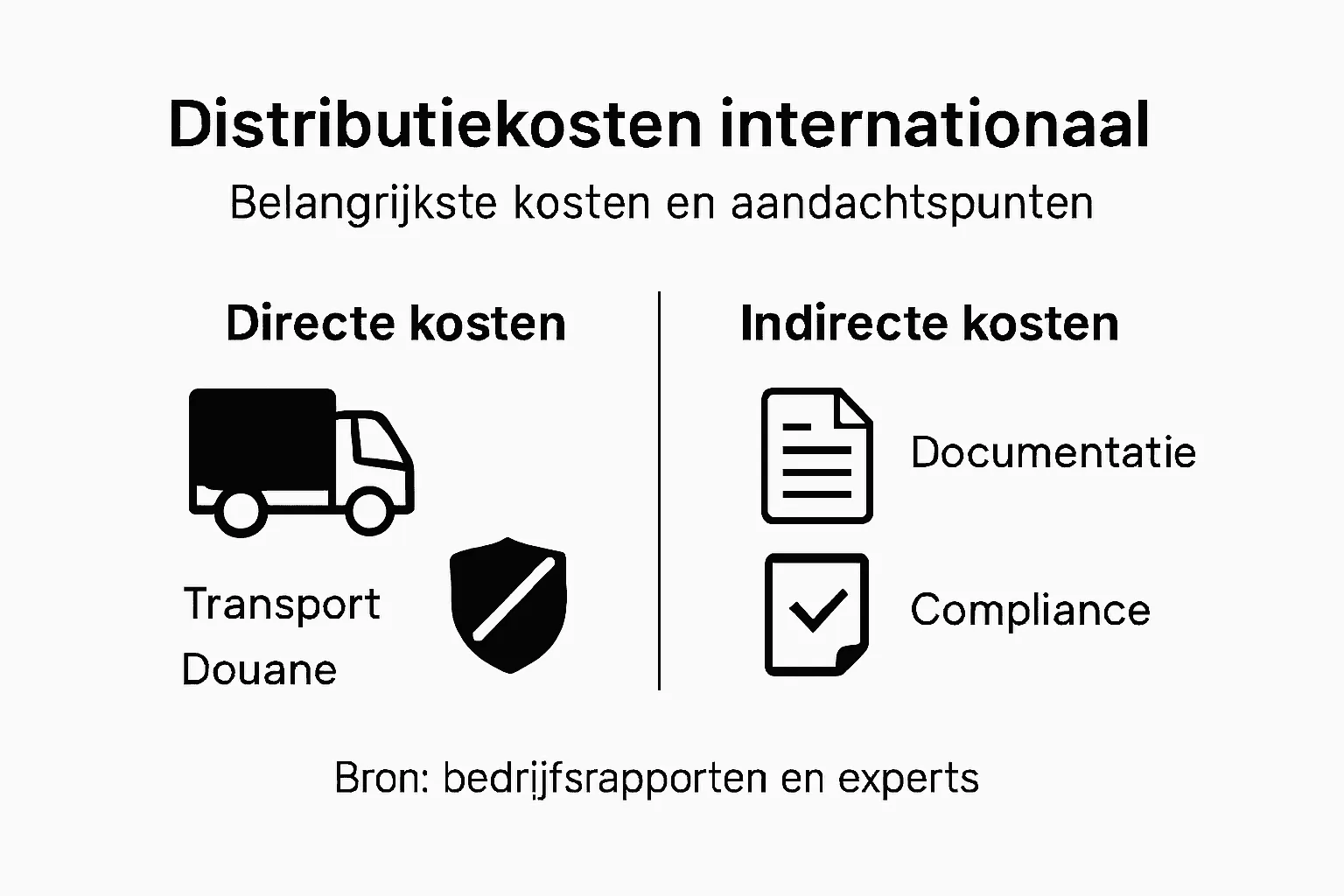
International shipping presents complex financial challenges where e-commerce businesses must account for numerous cost components. International trade costs encompass much more than just transportation rates.
The key cost factors in international shipping include:
- Transportation costs: Base shipping rates by weight and volume
- Clearance fees: Customs duties and administrative charges
- Tax levies: VAT and import duties by country
- Insurance: Coverage for potential damage or loss
- Currency risks: Exchange rate fluctuations in international transactions
E-commerce businesses must strategically manage financial transparency and cost control. Some trade agreements may offer tax exemptions or reduced rates, which can result in significant savings.
Effective cost strategy is not just about accounting efficiency, but a fundamental competitive advantage in international trade.
Cross-border shipments also involve indirect costs, such as compliance expenses, documentation processes, and potential fines for incorrect declarations. Precise planning and detailed preparation are essential.
__Pro-tip:__ Use specialized software for real-time cost calculations and always maintain a financial buffer for unexpected customs expenses.
Common mistakes and how to avoid them
International e-commerce distribution is complex and requires meticulous attention to detail. Common distribution errors can have devastating consequences for business operations.
The most critical mistakes e-commerce businesses should watch out for include:
- Incomplete documentation: Missing or incorrect shipping papers
- Incorrect product classification: Wrong customs codes
- Underestimating shipping costs: Hidden fees and taxes
- Non-compliant products: Products that do not meet local regulations
- Poor communication: Unclear import and tax requirements
These mistakes not only lead to delays but can also result in significant financial penalties and reputational damage. Professional e-commerce businesses therefore invest in detailed preparation and continuous knowledge acquisition.
Prevention is always cheaper than correcting mistakes in international distribution.
Successful businesses adopt strategic approaches such as partnering with reliable logistics providers, implementing integrated supply chain management systems, and continuously monitoring international laws and regulations.
__Pro-tip:__ Develop a structured checklist process for every international shipment and leave no step to chance.
Optimize your international distribution with Parcel International
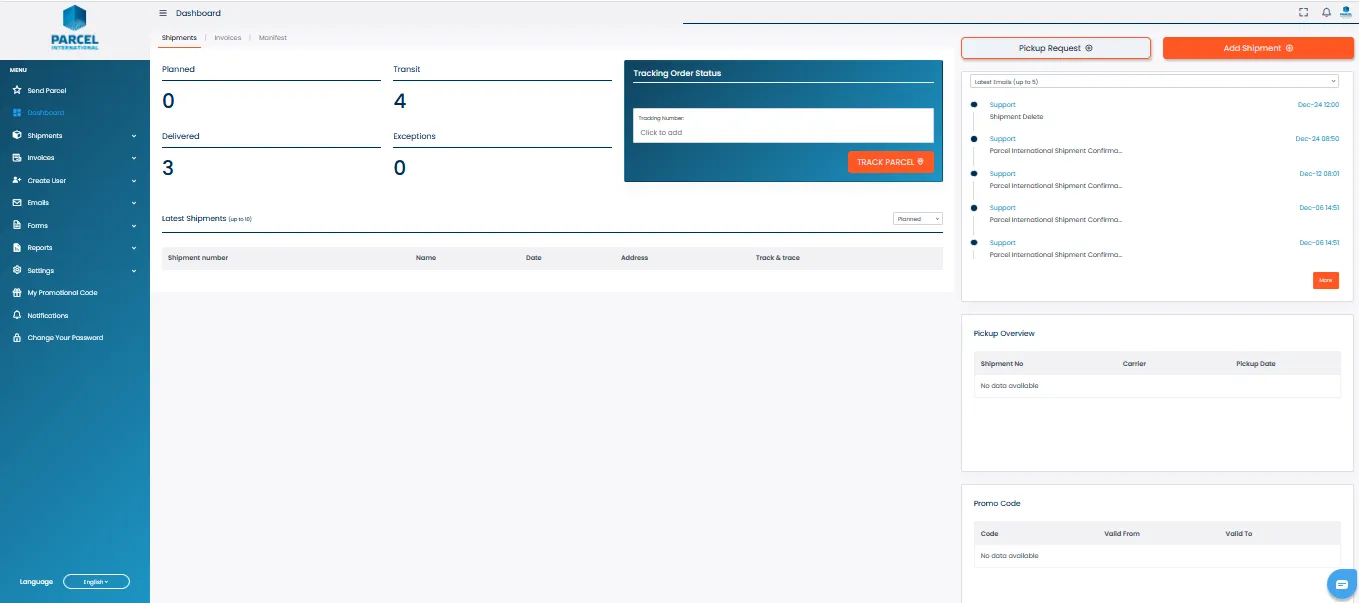
International distribution can be complex and risky if you don’t have the right partner. Challenges around customs clearance, different shipping methods, and cost management often lead to unnecessary delays and higher expenses. Parcel International understands these pain points from experience and provides e-commerce businesses with an efficient solution to gain control over global shipments. With the ability to easily compare carriers and manage shipments transparently, you get the flexibility and certainty that are essential according to the strategies in this article.
Take control of your international logistics today and avoid mistakes like incomplete documentation and incorrect product classification. Discover how your business can benefit from cost savings and reliable delivery through Parcel International. Explore our user-friendly platform options and start efficiently planning your shipments through our platform. Experience the power of a partner that simplifies your international distribution.
international-distribution
Can't find your question? Our support team is here for you 24/7 via the help centre.
What is cross-docking?
Cross-docking is a logistics method where goods are directly transferred from inbound to outbound vehicles without long-term storage. This accelerates shipping and reduces costs.
What is groupage shipping?
A groupage shipment is a logistics solution in which loads from different senders are combined into one transport, resulting in more efficient and cost-saving transport.
What is Just In Time Delivery?
Just-in-Time (JIT) delivery is a logistics approach where products are delivered exactly when needed, minimizing inventory costs and storage space.
What is first mile delivery?
First mile delivery is the initial phase of the logistics chain where products are collected from the supplier or manufacturer and prepared for further shipment.
What is package consolidation?
Parcel consolidation is a logistics strategy where multiple smaller packages are combined into a single larger shipment. This helps reduce shipping costs and improve transport efficiency.
What is parcel routing?
Parcel routing is a logistics process that determines how packages take their most efficient journey through transportation networks, considering variables such as distance, transport modes, and real-time conditions.
What is Shipping Management?
Shipping management is the process of coordinating and managing all logistics activities to transport goods efficiently and securely from one location to another. It includes planning, tracking, and risk management.
What is package forwarding?
Parcel forwarding is a logistics service where a company acts as an intermediary for shipping packages to hard-to-reach destinations.
What is Parcel Throughput?
Cross-docking is a logistics process where packages are shipped through a central distribution center instead of directly from sender to recipient.
What are split shipments?
Split shipments are shipping methods where a single order is divided and sent in multiple packages, often because products come from different warehouses.
What is international last mile?
International last mile refers to the final segment of the shipping process where a parcel reaches its ultimate destination. It involves significant logistical challenges and is crucial for customer satisfaction.
What is a freight audit?
A freight audit is the process where e-commerce companies review and analyze their shipping invoices to ensure they are not overpaying for transportation costs.
What is a secure shipment?
A secure shipment involves a process that ensures the safety and integrity of goods during transport through load securing, pre-shipment inspection, and compliance with transportation regulations.
What is pre-shipment inspection?
Pre-shipment inspection is a quality control process conducted by independent third parties to verify that products meet technical specifications and packaging standards before shipment.
What is international distribution?
International distribution is the process of shipping products from the supplier to the end user, involving various logistics steps and customs procedures.
What is order picking and why is it important?
Order picking is the process of collecting and assembling products for specific customer orders. It is essential for customer satisfaction and operational efficiency in e-commerce logistics.
What are the different order picking methods?
There are several order picking methods, including manual picking, automated picking, batch picking, and zone picking. Each method has its own advantages and disadvantages depending on a company's specific needs.
How does order picking impact a company's costs?
Order picking has a significant impact on operational costs, including labor, time, error, and infrastructure expenses. A well-optimized system can substantially reduce these costs.
What are the key technologies that optimize order picking?
Technological innovations such as robotics, augmented reality, artificial intelligence, and the Internet of Things improve the efficiency and accuracy of order picking by streamlining processes and providing real-time insights.
What exactly is indirect shipping?
Indirect shipping includes dropshipping, marketplaces, and engaging freight forwarders or distributors. In all these models, a third party handles part of the transportation or storage.
When is direct shipping better for my online store?
Direct shipping is more advantageous when you want maximum control over inventory, packaging, and customer experience. Shipping directly from your own stock without intermediaries yields higher margins and better customer satisfaction at sufficient volume.
Is hybrid shipping possible and worthwhile?
Yes, many online stores start with indirect shipping and transition to a hybrid model as they grow. Begin with indirect shipping at low volumes and switch to direct or hybrid once control and economies of scale become more important.
What is more important for international shipments: direct or indirect shipping?
For international shipments, customs procedures and risk distribution are often more decisive than the shipping model alone. Customs representation in non-EU trade is crucial to avoid delays and additional costs, regardless of the model you choose.
What are the key benefits of fulfillment logistics?
Fulfillment logistics ensures faster and more reliable order processing and improved customer satisfaction, thanks to high order accuracy and quick returns handling.
How long does returns processing take in fulfillment logistics?
According to industry benchmarks, returns processing is completed within 48 to 72 hours by professional fulfillment providers.
What fulfillment models are available for e-commerce businesses?
You can handle fulfillment in-house for full control, outsource to a 3PL partner for scalability, or choose a hybrid combination of both models.
Why is fulfillment logistics important for international e-commerce?
It optimizes the entire order chain from picking to returns, which is essential for growth in a rapidly expanding cross-border market.
What is last-mile delivery and why is it such a challenge?
Last-mile delivery is the final leg of the delivery journey: from the depot or distribution center directly to the customer's home. It is challenging because this segment is the least predictable, with fluctuating traffic conditions, absent customers, and high costs per stop. Last-mile delivery is therefore the largest cost factor in e-commerce logistics and is the first area requiring optimization.
What are the benefits of reducing returns with smart technologies?
Fewer returns mean lower processing costs, faster inventory availability, and higher customer satisfaction. In the fashion industry, where return rates can be high, AI-driven size recommendations and 360-degree product images make the difference between profit and loss per order.
How important is sustainable logistics for conversion?
Sustainable shipping options have become a proven conversion tool. Online stores that offer green delivery choices during checkout often see an increase in conversion rates and a reduction in delivery trips, which also lowers operational costs.
Is outsourcing logistics better for every online store?
Not for every online store or at every stage of growth. For online stores with high volume and international expansion, outsourcing to a 3PL partner is almost always more efficient. For small online stores with highly personalized products, in-house management has advantages. Outsourcing fulfillment to 3PL partners works best when you also maintain internal control over quality and communication.
Get a grip on your parcel shipping
Compare carriers, choose the best price and keep track of your international shipments. You can calculate and book without an account.
