
Shipping fragile items internationally always carries the risk of transport damage. For e-commerce entrepreneurs in Central Europe, a damaged package can be disastrous for customer satisfaction and lead to costly return processes. Consistently applying multiple protective layers and carefully labeling according to recognized guidelines makes the difference between success and financial loss. This guide provides you with practical and immediately applicable steps to ship fragile goods securely, safely, and in compliance with European requirements.
Brief Summary
- 1. Choose the right packaging materialsUse materials that provide shock absorption and are suitable for the product type.
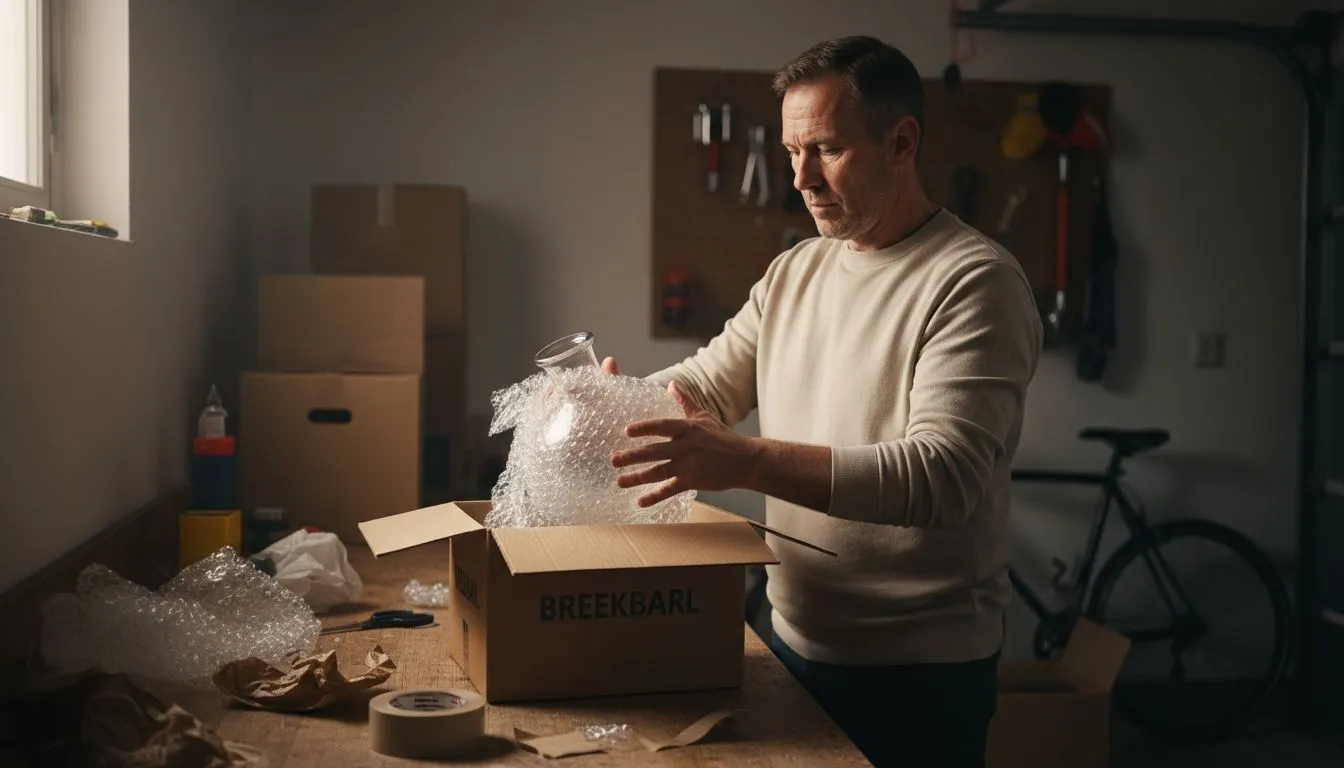
- 2. Pack fragile items carefullyWrap each item separately in protective material and ensure sufficient cushioning.
- 3. Label and mark packages properlyUse clear labels such as "Fragile" on multiple sides for optimal handling.
- 4. Inspect shipment upon receiptExamine the packaging and contents immediately to identify any damage.
Step 1: Choose Suitable Packaging Materials
Successfully shipping fragile items starts with selecting the right packaging materials. The goal is to optimally protect your delicate products during transport, balancing both safety and sustainability.
When selecting packaging materials, several crucial aspects must be considered:
- Shock absorption: Choose materials that can absorb vibrations and shocks
- Shape and weight: Select packaging that fits the specific dimensions of your product
- Eco-friendliness: Opt for materials that comply with EU recycling guidelines
The most suitable materials for fragile items include:
- Molded foam
- Bubble wrap
- Cardboard corner protectors
- Self-adhesive protective sheets
- Individual product wrapping materials
Different product types require varying protective layers. For example, electronic devices often need different protection than fragile glassware or ceramics.
Below is an overview of common fragile products and the recommended protective materials:
Product Type | Recommended Protection | Additional Measure |
|---|---|---|
Electronics | Anti-static foam, bubble wrap | Moisture-resistant bags |
Glassware | Double bubble wrap, cardboard corners | Sturdy outer packaging |
Ceramics | Foam cushions, void fill | Individual wrapping |
Porcelain | Soft foam sheets, paper | Extra sturdy outer box |
Precision mechanics | Shock-absorbing cover | Secure positioning in box |
Professional shippers always use multiple protective layers to minimize the risk of breakage.
__Pro tip:__ Always test your packaging by simulating transport shocks before proceeding with actual shipment.
Step 2: Pack Fragile Items Carefully
Properly packing fragile items is essential to prevent damage during transport. The goal is to protect your delicate products so they arrive at their destination undamaged.
For effective packaging, the following steps are crucial:
- Individual protection: Wrap each fragile item separately in soft protective material
- Void fill: Use sufficient cushioning to prevent movement
- Multiple layers: Create different protective layers around your product
The key techniques for carefully packing fragile items include:
- Cover each object with bubble wrap or foam material
- Ensure at least 5 cm of protective cushioning around the product
- Use sturdy boxes with reinforced edges
- Mark the package with "Fragile" and "Do Not Shake"
It is essential to avoid direct contact between fragile items. Use additional shock-absorbing materials such as molded foam or specific protective covers.
A well-packed product significantly reduces the risk of damage during transport.
__Pro tip:__ Simulate transport conditions by gently shaking and tilting your packaged product to test stability.

Step 3: Secure Contents with Cushioning and Protection
Effectively protecting fragile goods during transport requires a strategic approach to cushioning and protection. Your goal is to maximize security against shocks, vibrations, and unexpected movements.
When selecting protective materials, the following aspects are crucial:
- Shock absorption: Choose materials that can absorb energy
- Fit: Ensure cushioning fits snugly around the product
- Eco-friendliness: Opt for sustainable protective solutions
The best protection techniques for fragile packaging include:
- Use multiple protective layers
- Choose void fill materials that precisely fit your product
- Minimize movement space within the packaging
- Combine soft and sturdy protective materials
It is essential to select specific cushioning materials based on the product type. For example, electronic devices require different protection than glass objects or ceramics.
Professional shippers always use at least two different protective layers to ensure maximum safety.
__Pro tip:__ Test your packaging by dropping a weighted box containing your product several times in a controlled manner to assess protection quality.
Step 4: Label and Mark Packages Correctly
Properly labeling and marking packages is crucial for the safe and efficient shipping of fragile items. Your goal is to clearly inform logistics personnel about the fragility and handling instructions for your shipment.
When labeling, the following aspects are essential:
- Visibility: Use large, clear letters
- Information value: Include all necessary handling instructions
- Standardization: Follow international labeling guidelines
The correct labeling procedures for fragile shipments include:
- Place Fragilewarnings on at least two sides
- Use international symbols for fragile handling
- Indicate arrows for correct transport orientation
- Mark weight restrictions and handling instructions
It is important to apply labels in a way that prevents them from coming loose or getting damaged during transport. Use weather- and tear-resistant materials.
A correctly labeled package increases the likelihood of careful handling.
__Pro-tip:__ Laminate fragile labels or use special self-adhesive stickers to prevent wear and detachment during transport.
Step 5: Inspect shipment for damage and completeness
After shipping fragile goods, a thorough final inspection is essential to ensure the quality and integrity of your shipment. Your goal is to detect and document any damage early.
During the inspection, pay attention to:
- Packaging integrity: Check for external damage
- Product quality: Examine each item closely
- Documentation: Record any irregularities found
Systematic inspection procedures for shipments include:
- Compare contents with the shipping list
- Inspect each item for damage
- Note deviations immediately
- Take detailed photos as evidence
It is crucial to perform a full inspection within 24 hours of receipt. The sooner you identify potential damage, the greater the chance of recourse.
A systematic inspection prevents later disputes and accelerates potential damage claims.
Below is a summary table of inspection moments and their purpose when shipping fragile goods:
Inspection moment | Purpose of inspection | Recommended action |
|---|---|---|
Before shipping | Test packaging | Perform transport simulation |
Immediately after receipt | Detect visible damage | Photograph packaging |
Within 24 hours | Assess product integrity | Report and document deviations |
__Pro-tip:__ Keep all original packaging materials and shipping documents for at least two weeks after receipt for potential insurance claims.
Shipping fragile goods carefully with Parcel International
Shipping fragile goods requires proper attention to packaging, protection, and correct labeling as described in this article. You want to prevent damage and ensure your valuable shipments arrive intact. This can be challenging, especially with international shipments involving multiple transport phases and different handlers.
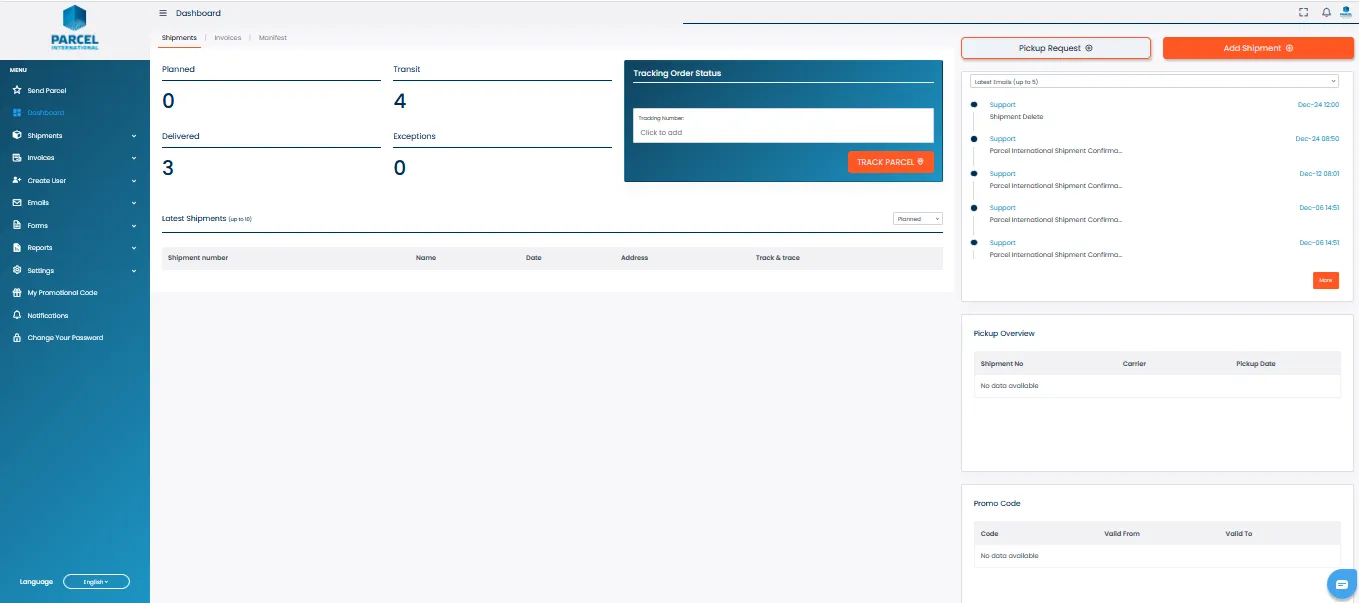
At Parcel International, we understand these concerns and provide tailored solutions. With our extensive experience since 2007, we help you get started: through our platform, you can easily compare carriers and choose the best option for your shipment.
Don’t wait until damage occurs—choose a trusted partner that handles your fragile packages with care. Discover how you can optimize your shipments with Parcel International and get started directly via our website. This ensures you benefit from:
- Professional support for international shipments
- Transparent pricing with no hidden costs
- Full control and tracking of your shipments
Choose certainty and convenience for shipping your fragile goods today. Start directly on our platform and experience the difference.
Shipping fragile goods
Can't find your question? Our support team is here for you 24/7 via the help centre.
What packaging materials should I use for my shipment?
Use sturdy cardboard boxes that fit the dimensions and weight of your goods. Ensure you use cushioning materials like bubble wrap or foam peanuts to prevent movement and protect against shocks.
How do I choose the right packaging materials for fragile goods?
Select packaging materials that provide shock absorption, match your product's shape, and meet environmental sustainability requirements. Use materials such as bubble wrap and molded foam for optimal protection.
What are the best techniques for carefully packaging fragile goods?
Wrap each item individually in soft protective material and use sufficient padding to minimize movement. Ensure at least five centimeters of protective cushioning around the product for added safety.
What should I check before shipping fragile items?
Check the integrity of the packaging and inspect each item for damage. Perform this check before shipping to ensure everything is in good condition, which significantly reduces the risk of damage.
How can I prevent damage to fragile goods during transport?
Use sturdy, double-box packaging and fill empty space to prevent movement. It is also important to apply labels correctly and provide clear handling instructions so shippers can handle the shipment with care.
What is double-wall cardboard and why does it matter for international shipping?
Double-wall cardboard consists of two corrugated layers between three flat layers, which makes it extra strong. Choose it for fragile goods to minimise damage during transport.
How do I use filling material effectively for international shipments?
Use the right filling material, such as bubble wrap for fragile items and paper filling for lighter items. Fill the box completely so the products can’t shift and are well protected.
What is the best way to seal my parcel?
Use strong packing tape, such as PP or PVC tape, and seal the parcel using the H or W method. Make sure the tape runs at least 5 centimetres over the edges of the box for a proper seal.
Why is waterproof packaging important for international shipping?
Waterproof packaging protects your goods against moisture damage during transit. Use materials such as shrink wrap or coated cardboard to keep your shipment intact.
How do I test the strength of my packaging?
Run tests such as drop tests and compression tests to check the strength of the packaging. Record each test and make improvements where needed to prevent future damage.
How do I ensure my package is correctly labeled?
Include clear shipping and return address details, including postcode and country. Also use international symbols such as 'Fragile' or 'Handle with care'.
What are the key considerations when packaging international shipments?
When packaging international shipments, it is important to use sturdy packaging materials, consider the fragility of the goods, and ensure the packaging complies with international shipping standards.
What considerations are involved in packaging pallets and parcels?
For pallets, ensure secure fastening of goods using stretch wrap and strapping. For packages, it is important to select the appropriate box and protective material based on the fragility of the contents.
How can I save on packaging materials when shipping?
You can save on packaging materials by using lighter and custom-sized packaging. Minimize the space inside the package to reduce weight, which can significantly lower shipping costs.
What are the key changes in the packaging guidelines for e-commerce?
Key changes include mandatory use of recycled materials, restrictions on single-use plastics, and stricter requirements for packaging design and recycling.
How can I prepare my business for the new 2025 packaging guidelines?
Companies can prepare by investing now in sustainable packaging materials, evaluating their supply chain, and adapting to new requirements for recycled materials.
What are the benefits of custom packaging for my brand?
Custom packaging strengthens the brand experience of your product and leaves a lasting impression on the customer. Consider putting your logo on the packaging; it can increase visibility and may generate extra marketing without much additional cost.
Get a grip on your parcel shipping
Compare carriers, choose the best price and keep track of your international shipments. You can calculate and book without an account.
