
Delays and unexpected costs can feel like a brake on the growth of your e-commerce business when serving international customers. Every part of the logistics chain matters, and even a small hiccup can directly impact customer satisfaction and profit margins. By thoroughly analyzing the entire shipping process, you not only gain control over your operations but also uncover where real efficiencies can be achieved. Systematically Measuring Throughput Time exposes hidden bottlenecks and forms the first step toward faster, more efficient international shipments.

Brief Summary
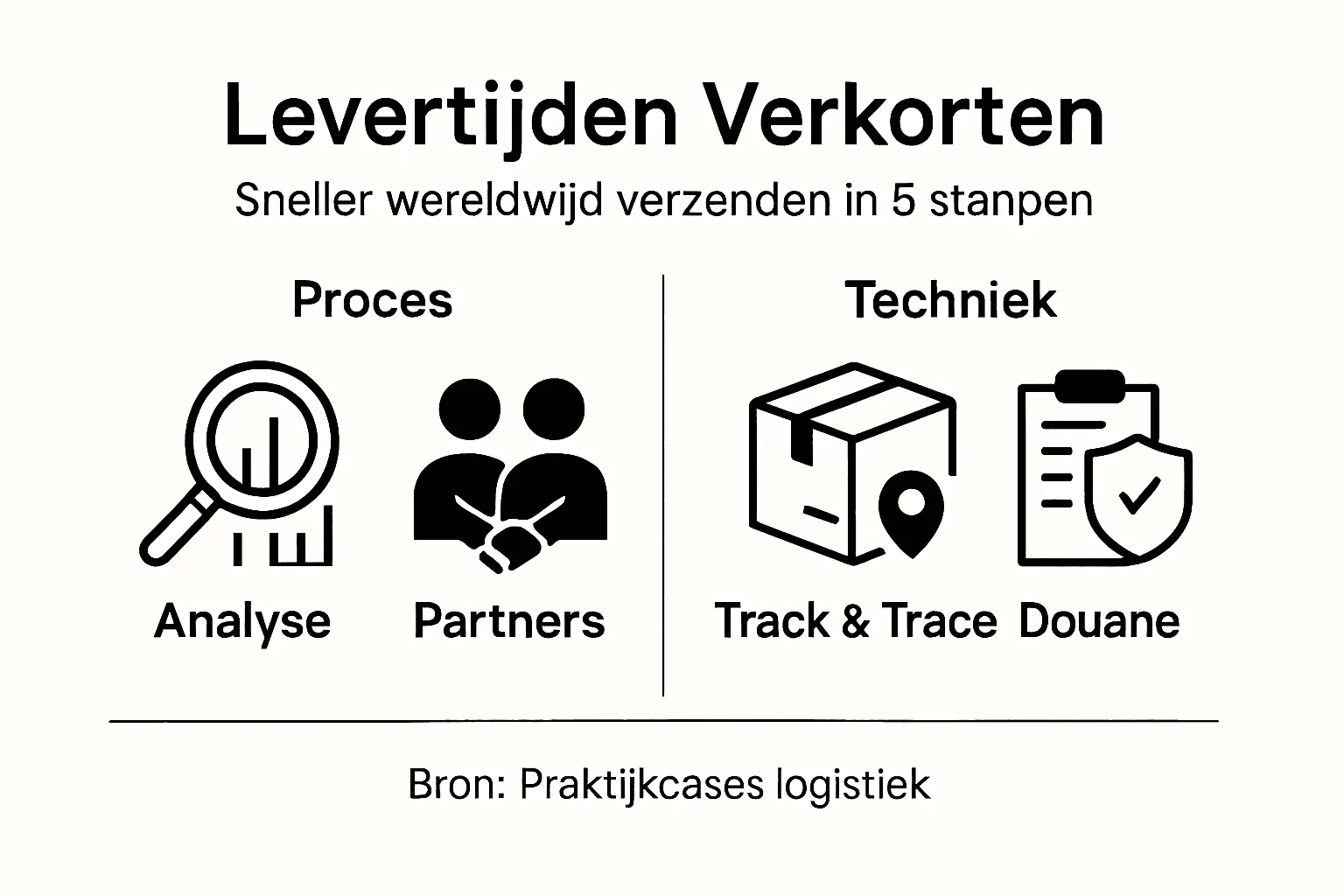
- 1. Analyze Shipping ProcessesExamine your current processes to identify and eliminate inefficiencies.
- 2. Choose the Right Shipping PartnersSelect strategies that optimize delivery times and ensure reliability.
- 3. Implement Track-and-TraceUse advanced systems for real-time visibility and communication.
- 4. Optimize DocumentationEnsure accurate customs documentation to prevent delays and penalties.
- 5. Continuously Improve Throughput TimesConduct regular analyses and implement improvement strategies for greater efficiency.
Step 1: Analyze Existing Shipping Processes
Analyzing your current shipping processes is the first critical step toward more efficient international shipments. By systematically examining your existing logistics workflow, you can identify and eliminate hidden delays and inefficiencies.
A thorough analysis of existing shipping processes requires a detailed assessment of multiple aspects:
- Processing Time in warehousing and order fulfillment
- Transport Routes and selected shipping methods
- Documentation Processes for international shipments
- Communication Channels between different logistics teams
To execute your analysis, you must systematically measure throughput time by quantifying each component of the shipping process. Pay specific attention to:
- Time between order receipt and dispatch
- Inspection and preparation timelines
- Actual transport duration
- Potential delays during customs inspections
By measuring these components, you gain a clear picture of where the most significant delays occur.
Remember: Every minute saved in your shipping process directly translates to higher customer satisfaction and potentially lower operational costs.
__Pro-tip:__ Use digital tracking and analytics tools to gain real-time insights into your shipping processes and generate automated reports that highlight opportunities for improvement.
Below is an overview of how different digital systems can enhance the efficiency of your international shipping process:
System Type | Key Function | Business Benefit |
|---|---|---|
Track-and-Trace Software | Real-time shipment visibility | Faster issue resolution |
Analytics Tools | Collect performance data | Targeted process improvements |
Digital Documentation | Automated generation of customs paperwork | Fewer administrative errors |
API Integrations | Automated data exchange | More efficient partner management |
Step 2: Select Optimal Shipping Partners
Selecting the right shipping partners is crucial for reducing your international delivery times. A strategic choice can make the difference between efficient and delayed shipments.
When choosing shipping partners, pay attention to the following essential criteria:
- Geographic Coverage of the shipping partner
- Tracking Capabilities and technological infrastructure
- Reliability of delivery times
- Pricing Structure and transparency
- Experience with international shipments
To find the best partner, you can use digital infrastructure in logistics for a standardized selection method. Key selection steps include:
- Gather detailed performance indicators
- Compare service levels among potential partners
- Evaluate technological integration capabilities
- Check references and past performance
Effective shipping partners are more than just carriers—they are strategic partners that can strengthen your international business operations.
By selecting carefully, you not only minimize delays but also enhance the overall customer experience.
__Pro-tip:__ Always negotiate flexible contract terms and retain the option to switch shipping partners if performance does not meet your expectations.
To support your selection process, here is a concise comparison of essential shipping partner criteria:
Selection Criterion | Why It’s Critical | Potential Pitfall If Ignored |
|---|---|---|
Geographic Coverage | Essential for reach and speed | Delivery times may vary significantly |
Technological Tools | Enable transparent and efficient tracking | Lack of shipment visibility |
Pricing Structure | Transparency prevents unexpected costs | Increased logistics expenses |
International Experience | Prevents errors in complex shipments | High risk of delays |

Step 3: Implement Advanced Track-and-Trace Systems
Implementing advanced track-and-trace systems is essential for optimizing your international shipping processes. These technological solutions provide transparency and control over every phase of your shipments.
When implementing, pay attention to the following crucial aspects:
- Real-Time Visibility of shipments
- Automated Status Updates
- Accurate Location Tracking
- Integrated Communication Channels
- Compatibility with Existing Systems
To develop an efficient system, you can use global traceability standards that ensure interoperability between different systems. Key implementation steps include:
- Evaluate your current tracking infrastructure
- Select a system with comprehensive reporting capabilities
- Train your team on the new system
- Integrate API connections with shipping partners
Track-and-trace is more than just location tracking—it is a strategic tool for customer satisfaction and operational efficiency.
By embracing smart technology, you can transform your international shipping process and provide customers with accurate, timely information.
__Pro tip:__ Choose a track-and-trace system that not only offers real-time tracking but also generates detailed analytics and predictive insights for continuous process improvement.
Step 4: Optimize Customs Documentation and Packaging
Optimizing customs documentation and packaging is crucial for accelerating international shipments. A meticulous approach prevents delays and avoids potential fines in cross-border transport.
When optimizing your documentation and packaging, consider the following:
- Accurate product classifications
- Correct commercial value declarations
- Standardized packaging information
Key steps include:
- Verify country-specific requirements
- Ensure full transparency
Correct documentation is not just an administrative task but a strategic step that directly impacts your international shipping efficiency.
By providing structured and detailed information, you minimize the risk of delays and enhance your international logistics processes.
__Pro tip:__ Invest in digital documentation systems that automatically generate and validate the correct information for different international destinations.
Step 5: Continuously Monitor and Improve Lead Times
Continuously monitoring and optimizing lead times is essential for an efficient international shipping strategy. By systematically analyzing your logistics processes, you can identify and eliminate delays.
The following aspects are crucial in the continuous improvement process:
- Collecting detailed time measurements
- Identifying process bottlenecks
- Benchmarking against industry standards
- Implementing targeted improvement actions
- Monitoring improvement results
To effectively analyze lead times, you can systematically measure and quantify them. Key steps include:
- Record exact time durations per process step
- Analyze where delays occur
- Develop improvement strategies
- Implement incremental optimizations
- Repeat the measurement process periodically
Reducing lead times is not a one-time action but an ongoing journey of small, consistent improvements.
By working methodically, you can achieve significant improvements in your international shipping processes.
__Pro tip:__ Invest in specialized analytics software that automatically tracks performance indicators and provides real-time insights into your logistics workflow.
Accelerate Your International Shipments with Parcel International
Efficient international shipping requires insight into lead times, reliable shipping partners, and real-time tracking. If you notice that delays are affecting customer satisfaction and costs, you understand how essential it is to maintain control over every logistics detail. This article highlights the importance of advanced track-and-trace systems, optimal customs documentation, and continuous analysis of process steps.
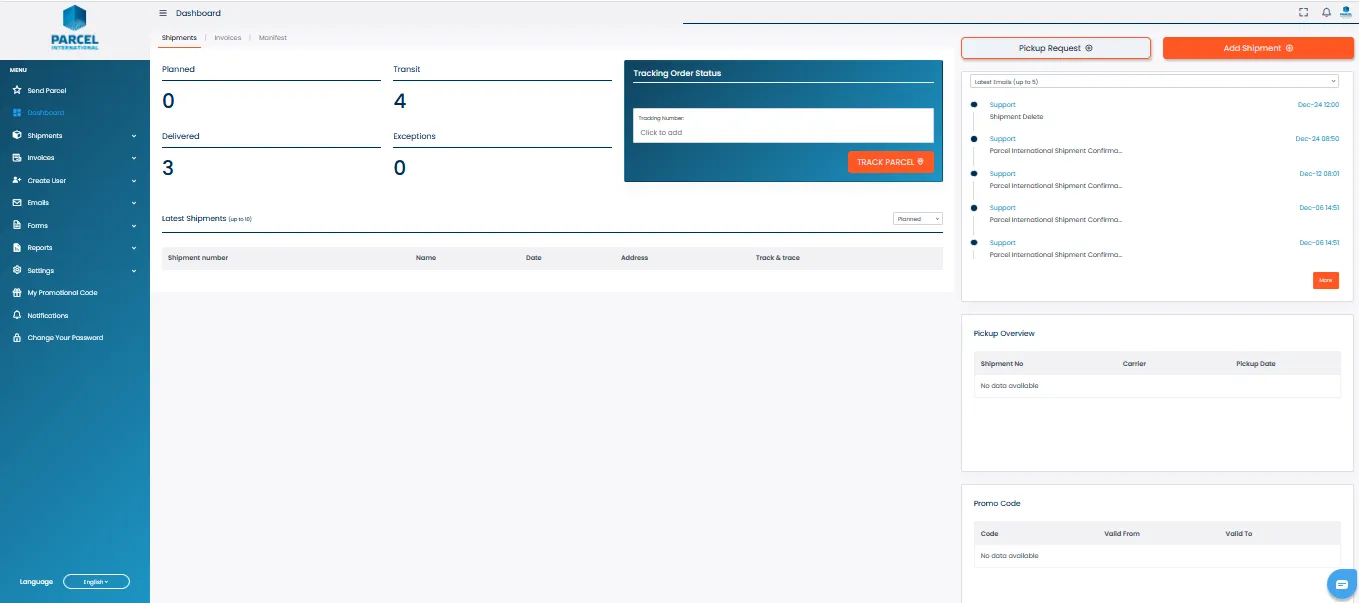
At ), we provide a complete solution tailored to these challenges. Easily compare shipping options, select reliable partners with transparent rates, and benefit from clear communication throughout the process. Since 2007, we have supported customers in over 220 countries and regions with customized solutions for express, sea, air, and road transport. Don’t wait any longer to shorten your delivery times—improve your international shipping experience today by discovering our services via ) and optimize your logistics.
Faster Delivery Abroad
Can't find your question? Our support team is here for you 24/7 via the help centre.
How do I choose a reliable carrier for international shipments?
Choose a carrier with proven performance by evaluating their historical data and performance reports. Consider features such as consistent delivery times and robust tracking capabilities, and gather references to make an informed decision.
What are the key criteria for selecting shipping partners?
The key criteria for selecting shipping partners include geographic coverage, tracking capabilities, delivery time reliability, pricing structure, and experience with international shipments. Compare the service levels of different partners to choose the best option that aligns with your specific shipping needs.
How can I assess the reliability of a shipping service?
Assess the reliability of a shipping service by reading reviews from other users and conducting test shipments yourself. Choose a carrier that delivers consistently and responds to inquiries, so you can trust their service.
Why is customer service important when choosing a shipping service?
Customer service is crucial because you may encounter issues with lost or damaged parcels. Test a carrier's customer service before choosing them by asking a question and assessing how quickly and helpfully they respond.
What Are Common Mistakes When Choosing a Logistics Partner?
Common mistakes include choosing the first available partner, not negotiating rates, and failing to analyze your shipping patterns. This can result in higher shipping costs and inefficiencies.
What does a logistics service provider do?
A logistics service provider manages the complex processes involved in shipping goods, allowing businesses to focus on their core activities. This includes transportation, document management, customs facilitation, and order processing.
What types of carriers are there in e-commerce?
There are four main types of carriers: freight forwarders, postal carriers, multimodal carriers and specialised transport services. Each has its own characteristics and suits different kinds of shipments.
What is the role of a carrier in e-commerce?
A carrier is responsible for physically transporting products from online sellers to their customers. Carriers coordinate logistics processes such as shipment consolidation, rate negotiations and customs documentation.
What are the legal requirements and liabilities of carriers?
Carriers have legal obligations under the CMR Convention and the Dutch General Transport Conditions 2002. They are liable for damage to goods, but exceptions such as force majeure can limit their liability.
How does the collaboration between webshops and carriers work?
Collaboration begins with order processing, where the carrier receives detailed shipment information. Transparent communication and strategic partnership are essential for successful logistics integration.
What is the role of a freight forwarder in e-commerce?
A freight forwarder acts as the coordinator of the transportation process, manages customs formalities, and ensures efficient handling of shipments, which is crucial for e-commerce businesses.
How do freight forwarders optimize shipping processes?
Freight forwarders optimize shipping processes by using dynamic route planning, real-time monitoring, and automated document processing, leading to increased efficiency and lower costs.
What are the different types of freight forwarders?
There are various types of freight forwarders, including road freight forwarders, air freight forwarders, sea freight forwarders, and customs forwarders, each specializing in specific transport modalities and processes.
Which cost components are involved in freight forwarders' logistics?
Key cost components include direct costs such as fuel and transport equipment, indirect costs such as administration, and infrastructure costs such as storage and customs handling.
How can I identify a fraudulent carrier?
A fraudulent carrier often uses fake contact information, unusual domain names, and requests off-platform communication. Always verify their legitimacy through reliable public registers such as the Dutch Chamber of Commerce (KvK) or a European transport database.
What is the most effective measure against cargo theft?
A layered approach combining technology, human checks, and processes significantly reduces the risk of cargo theft. No single measure alone provides sufficient protection.
Which hotspots should I monitor closely?
Rotterdam, Antwerp, and highways such as the A67 and A2 are known hotspots for freight fraud in the Benelux. Ensure extra verification for shipments passing through or via these regions.
How common is logistics fraud among Dutch companies?
In the Netherlands, an average of five reports of fraudulent carriers are made each week. The actual number of incidents is likely higher, as not all cases are reported.
Which KPIs are most important for comparing carriers?
The most important KPIs are on-time delivery, tender acceptance, claims ratio, and billing accuracy, as defined in the carrier scorecard dashboard. These four metrics together provide a complete view of reliability and operational quality.
How can I avoid selecting carriers based solely on price?
Use a multi-indicator evaluation model that considers service quality, technology level, and network coverage in addition to price. Scoring all dimensions prevents a low price from masking poor quality.
What if my carrier does not meet the agreed KPIs?
Monitor performance regularly with a scorecard and address deviations directly with your carrier. The carrier scorecard dashboard provides concrete insights into where deviations occur, allowing you to base discussions on data rather than intuition.
How often should I measure my carrier's performance?
Analyze performance at least monthly with a scorecard and conduct quarterly reviews for strategic adjustments. Scorecard monitoring provides recurring insights, enabling you to identify trends before they become problems.
What are the concrete benefits of good shipping advice?
Good shipping advice saves costs and reduces errors, leading to faster deliveries, fewer claims, and higher customer satisfaction. In the long term, it also strengthens your competitive position in international markets.
Should I always use multiple carriers?
A multi-carrier approach is the best choice for most growing e-commerce businesses, but a single carrier may suffice temporarily if volume and destinations are limited. Regular comparisons remain advisable regardless of your strategy.
What are common mistakes in international shipping?
Most mistakes arise from incorrect or incomplete data, such as wrong weights, dimensions, or HS codes, and the lack of structural validation in the shipping process. This leads to surcharges, delays, and dissatisfied customers.
Why is data quality important in shipping advice?
Poor data quality makes automated systems unreliable and causes errors that result in additional costs and complaints. Accurate and validated data is the foundation of every efficient shipping process.
Why is carrier selection so important for my e-commerce business?
Carrier selection determines not only your shipping costs but also delivery times, customer satisfaction, and reputation. The right carrier protects your conversion rate and margins, directly impacting your business growth.
What are the benefits of a digital consignment note (eCMR)?
eCMR speeds up document processing and reduces errors through automatic validation.
What is the role of multiple carriers in international shipments?
Multiple carriers each fulfill a part of the international chain: from pickup and air or sea transport to local delivery at the destination. By leveraging the strengths of each carrier per segment, you improve delivery times and reduce costs.
When should you choose multimodal over intermodal transport?
Multimodal transport is more suitable for tight delivery deadlines because you have a single point of contact for the entire route. Intermodal offers more cost efficiency but requires you to manage the transfers between carriers yourself.
How can you avoid liability issues with multiple carriers?
Define which liability regime applies for each segment, such as CMR for road and the Montreal Convention for air. Verify whether your insurance also covers transitions between modalities, as this is where most uninsured claims arise.
What are the costs of working with multiple carriers?
Direct costs depend on the mode of transport, weight, and destination. Carriers can negotiate lower rates through volume purchasing. Consolidation via groupage further reduces the cost per shipment, which is particularly beneficial for smaller e-commerce volumes.
What digital tools are required for a multi-carrier approach?
A WMS with API integrations to your carriers is the minimum requirement. Without real-time data exchange, you lack visibility into handovers, and cross-docking may fail. Choose carriers that integrate via API with your platform, not just through manual status updates.
What exactly is a transport agreement?
A freight contract is a written agreement between a shipper and a carrier outlining the terms for transporting goods, including price, liability, and responsibilities.
Does the CMR Convention always apply to international shipments?
The CMR Convention automatically applies to cross-border road transport between two contracting states. Over 55 countries have ratified the convention, including all EU member states.
What is the difference between contract freight and the spot market?
With contract freight, you lock in rates and capacity for an extended period. With the spot market, you book per shipment at the current market price, without long-term commitments.
Is a waybill always mandatory?
A waybill is legally required for professional road transport. Without it, the ILT (Inspection Authority) may issue a fine. The waybill also serves as evidence for customs and liability claims.
How can I protect myself if my cargo is worth more than the CMR limit?
CMR liability is limited to 8.33 SDR per kilogram. Take out additional cargo insurance if the value of your shipment exceeds this amount.
What is the difference between a carrier and a freight forwarder?
A carrier has an obligation to deliver and is liable for the delivery of goods. A freight forwarder arranges transport on your behalf but has only a best-efforts obligation, meaning their liability is more limited.
What liability limit applies to international transport?
Under the CMR Convention, the carrier's liability is limited to 8.33 SDR per kilogram of damaged or lost weight. This limit is often lower than the actual value of the goods, making additional insurance advisable.
Why is a packing slip not a substitute for a waybill?
A packing slip only confirms the contents of a shipment and has no contractual validity. Only a correct waybill or CMR waybill is legally binding and provides fiscal certainty, such as for the 0% VAT rate on exports.
At what volume does a DHL business account become cost-effective?
A business account typically becomes worthwhile at 30 to 50 shipments per month, the point at which volume discounts offset the time spent on account management.
What is the difference between DHL eCommerce and DHL Express?
DHL eCommerce is designed for standard parcel delivery within the Netherlands and Europe, often with delivery within 24 to 48 hours, while DHL Express is more commonly used for time-critical international shipments.
Which surcharges increase my DHL invoice the most?
Fuel surcharges and address correction fees are the most common cost drivers, and together they can add ten to fifteen percent to the base price.
Can I combine DHL business with other shipping solutions?
Yes, many companies use DHL business for standard European shipments and engage a comparison service like Parcel International for more complex international routes or urgent shipments.
What do I need to apply for a DHL business account?
You will need at least a Chamber of Commerce (KvK) number, an estimate of your monthly shipping volume, your primary destinations, and average shipment weights to receive a pricing proposal.
Get a grip on your parcel shipping
Compare carriers, choose the best price and keep track of your international shipments. You can calculate and book without an account.
