
International shipping may seem simple, but it’s surprising how many things can go wrong—even with a package that appears perfectly packed. According to the European Commission, millions of parcels enter the EU daily, many of which fail to meet standard guidelines. Yet, the biggest issues often don’t arise during transit but at home, during packing and labeling. That first step—how you assess and pack your products—is, surprisingly, more critical than the journey itself.
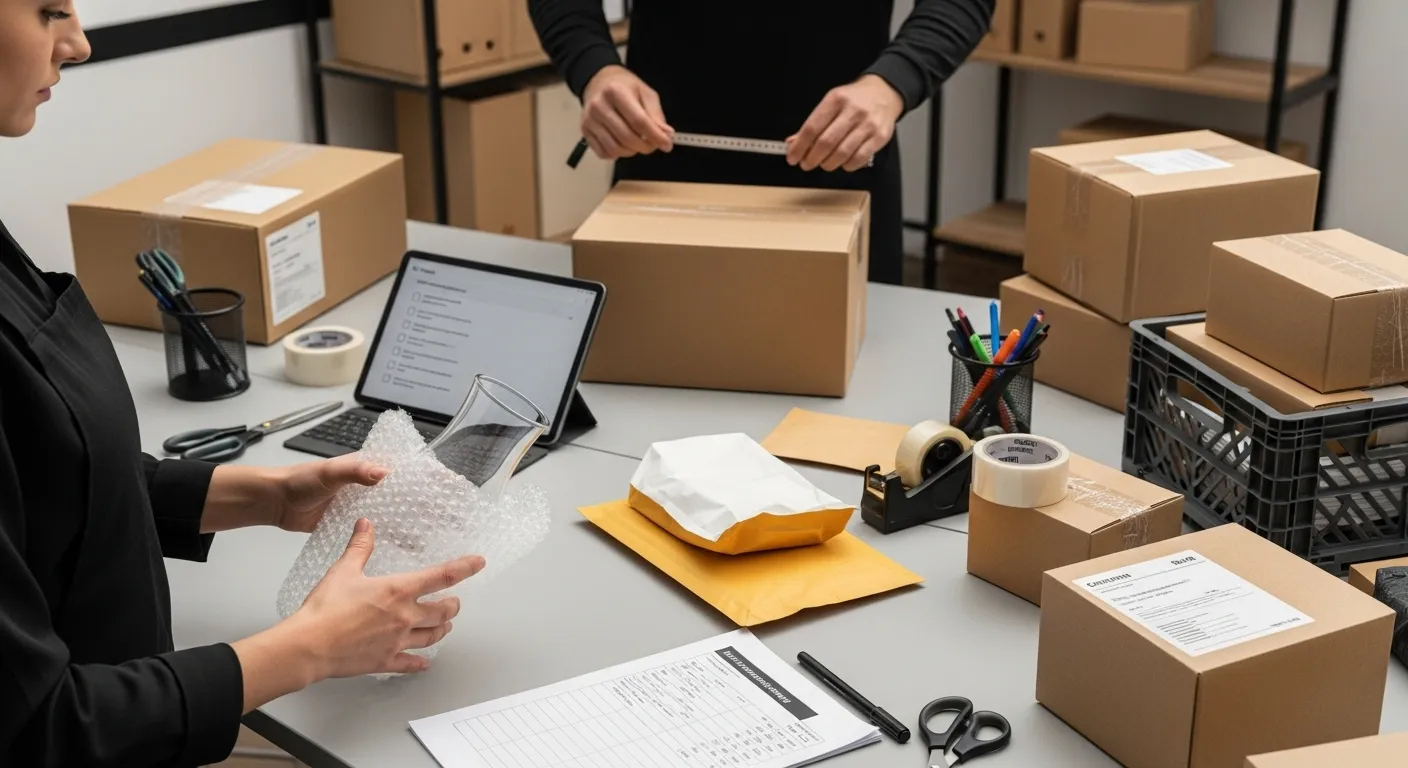
Quick Summary
- 1. Carefully assess your productsBefore shipping internationally, inspect products for dimensions, weight, and fragility to ensure proper handling.
- 2. Choose the right packagingUse materials that match each product’s protection needs, ensuring durable and sturdy packaging.
- 3. Securely pack each itemWrap each item individually with shock-absorbing material, especially fragile areas, and ensure proper weight distribution.
- 4. Label packages clearlyInclude correct shipping and return addresses, and use international symbols for fragile items to prevent damage.
- 5. Verify dimensions and weightAccurately measure products before shipping to avoid high costs and delays due to inaccuracies.
Step 1: Assess Products and Shipping Requirements
Successful international shipping begins with a thorough assessment of your products and their specific shipping requirements. Each product has unique characteristics that determine how it can be shipped safely and in compliance with international regulations.
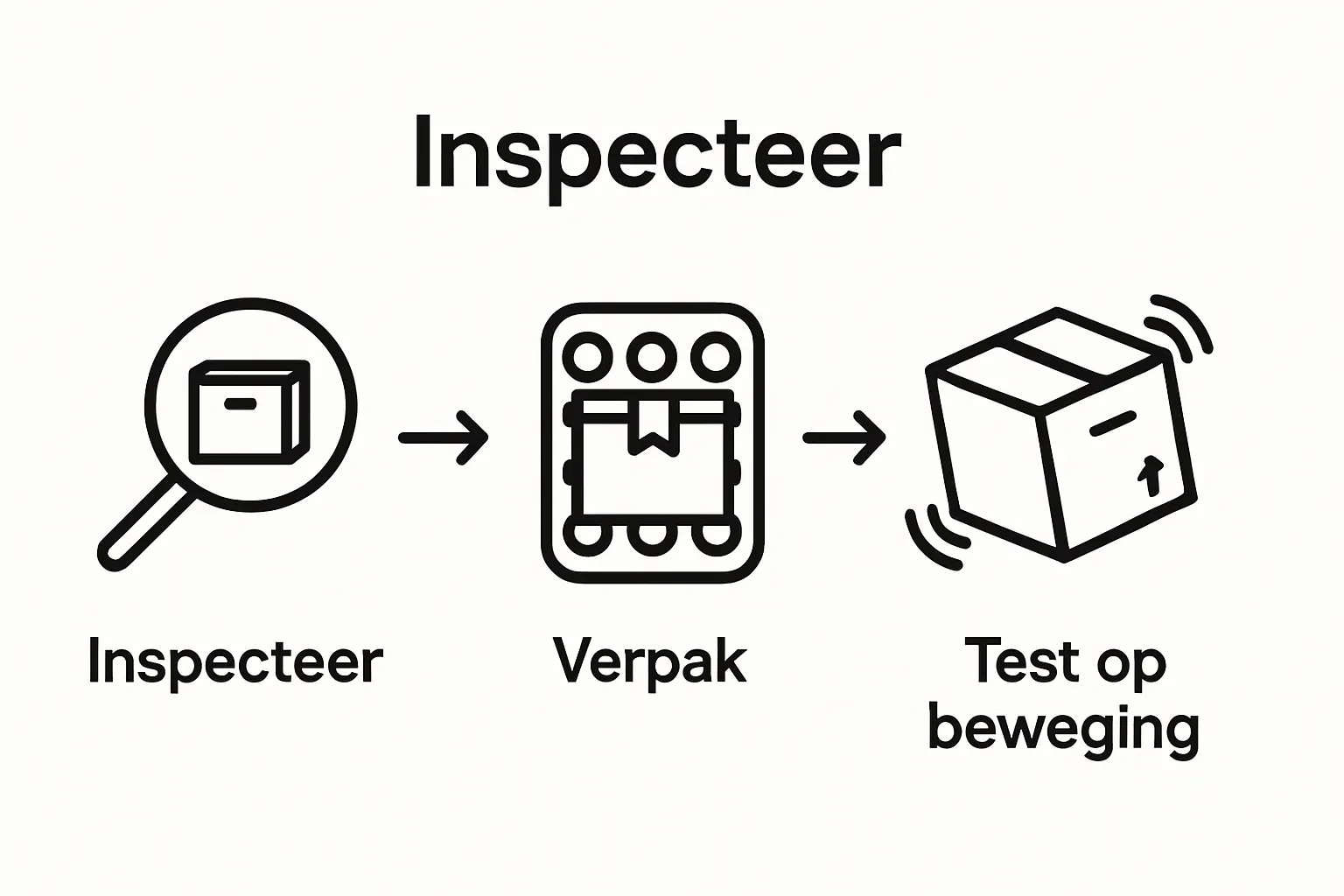
The first step is to inspect the products you intend to ship. Examine each item closely, noting dimensions, fragility, weight, and material composition. Some items require special handling or protective packaging—a fragile glass vase, for example, demands a different approach than a robust metal component.
International shipping involves specific legal requirements. According to research by the European Commission millions of parcels enter the EU daily, many of which do not meet standard guidelines. This means you must pay extra attention to the following aspects:
- Product composition: Verify that your product does not contain prohibited or regulated materials
- Weight restrictions: Each shipping system has specific weight limits
- Dimension requirements: Measure your product precisely to determine shipping costs and options
Consider potential customs regulations and export restrictions. Different countries enforce varying rules for incoming goods. Electronic devices, food items, chemicals, and medical products often require additional documentation or special permits.
Investing time in this preparatory phase prevents delays, extra costs, or even the return of your package. Detailed preparation is key to smooth international shipping. Take the time to evaluate each product carefully and prepare the right documentation and packaging materials.
Always check the latest regulations for the specific destination country and consider seeking professional advice for complex or high-value shipments. Proper preparation is the first step toward successful international shipping.
Step 2: Select the Right Packaging and Materials
After carefully assessing your products, the next critical phase is selecting the right packaging. Packaging is more than just a container—it’s your product’s first line of defense during an international journey filled with unpredictable challenges.
Choosing packaging materials requires strategic thinking. Different products have different protection needs. Fragile electronic devices may require anti-static foam, while ceramic objects need a sturdy outer box with shock-absorbing inner layers.
According to European packaging guidelines packaging must not only protect but also be environmentally friendly. Opt for materials that are sustainable and recyclable.
When selecting the right packaging, consider these key factors:
- Material strength: Use boxes or containers that can withstand the weight of your product
- Shock absorption: Include sufficient protective material such as bubble wrap or molded foam
- Water resistance: Ensure protection against moisture, especially for electronics or sensitive products
Determine the packaging size accurately. Oversized packaging increases shipping costs and raises the risk of damage due to movement during transit. Undersized packaging offers insufficient protection.
The table below outlines the key packaging materials, their properties, and the types of products they are best suited for.
Material | Properties | Application |
|---|---|---|
Cardboard box | Sturdy, lightweight, recyclable | General shipping, various goods |
Bubble wrap | Shock-absorbing, flexible | Fragile items, electronics, glass |
Molded foam | High shock absorption, customizable | Electronics, ceramics, precision products |
Foam sheeting | Soft, prevents scratches | Dishes, household appliances |
Water-resistant bag | Protects against moisture, sealable | Electronics, paper, moisture-sensitive items |
Cardboard dividers | Compartmentalization, minimizes movement | Multiple loose items in one box |
Consider international shipping standards. Some countries have specific packaging requirements for imports. Heavy or irregularly shaped products may require special handling.
Ultimately, the ideal packaging balances protection, weight, cost, and sustainability. Test your packaging by shaking the contents firmly—if nothing moves or rattles, you’re on the right track. Proper packaging ensures your product’s safe journey to its destination.
Step 3: Securely and Safely Pack the Items
After carefully selecting your packaging materials, the most critical part of international shipping begins: the actual safe packaging of your items. This is the stage where preparation and precision come together to ensure your products have a safe journey.
Start by creating a protective inner layer around each individual item. Use soft, shock-absorbing materials like bubble wrap or foam sheets to wrap each object separately. Pay special attention to fragile points such as edges, corners, and protruding parts. For example, an electronic device will need extra protection around its connectors and screens.
According to Dutch transport guidelines it is essential to seal packages in a way that prevents unauthorized opening. Use strong, high-quality packaging tape to securely seal the boxes. Cross-taping increases strength and prevents tearing during transit.
Here are some crucial packaging considerations:
- Weight Distribution: Ensure heavier items are placed at the bottom and lighter items on top
- Space Utilization: Fill empty spaces with additional cushioning material to prevent movement
- Protective Layers: Create multiple layers of protection for added safety
Precision tip: Gently shake the box after filling it. If you don’t hear any movement or noise, your packaging is likely correct. When in doubt, use extra cushioning to minimize movement.
A frequently overlooked aspect is applying the correct symbols and labels. Mark fragile packages with international standard symbols such as “Fragile” or “Do Not Tilt.” These visual cues help transport personnel handle your shipment with extra care.
Ultimately, a perfectly packed package is a combination of strategic protection, precise weight distribution, and careful sealing. Take the time to protect each item individually. Your investment in careful packaging prevents damage and increases the likelihood of your shipment arriving intact.
Step 4: Label the Package Correctly and Clearly
After carefully packaging your items, an equally crucial phase begins: correctly and clearly labeling your package. Labels are more than just text on a box—they are the communication interface between your shipment and the international transport chain.
Start by including the full and accurate shipping and return address details. Write the addresses legibly and in large print, preferably with a waterproof marker or professional labels. Ensure both the shipping and return addresses are complete, including postal code, country, and contact information.
According to European labeling guidelines international shipments must include specific information. In addition to address details, other crucial elements are essential for successful shipping.
Here are the essential components of a correct international package label:
- Shipping Address: Complete and accurate, including name, street, house number, postal code, and country
- Return Address: Same detailed information as the shipping address
- International Shipping Codes: Any special tracking or reference numbers
For fragile or special shipments, additional symbols and instructions are crucial. Use internationally recognized pictograms such as “Fragile,” “Handle with Care,” “Do Not Tilt,” or “Protect from Moisture.” These visual cues help transport personnel handle your package with the appropriate care.
Always check the specific labeling requirements of the destination country. Some countries have additional customs or import regulations that require special notations on the package. For electronic devices or chemical products, for example, extra safety or permit labels may be necessary.
Professional tip: Use professionally printed labels instead of handwritten ones whenever possible. Some shipping services offer online tools to generate shipping and tracking labels that comply with all international standards.
A perfectly labeled package is your guarantee for a smooth journey. Take the time to carefully check every detail. A small error in an address or a missing symbol can lead to delays or even the return of your shipment.
Step 5: Verify the Dimensions and Weight for Shipping
After carefully packaging and labeling your package, you reach a crucial phase that is often underestimated: accurately measuring and weighing your shipment. This step determines shipping costs, transport options, and potential customs regulations.
Start by gathering the right measuring tools. Use a precise digital scale for weight and a measuring tape or ruler for dimensions. Measure the length, width, and height of your package, including the packaging. Ensure you measure the maximum dimensions, not just the contents.
According to European customs guidelines accurate measurements are essential for smooth international shipping. Small discrepancies can lead to delays or additional costs.
Here are some critical considerations when measuring and weighing:
- Accuracy: Measure multiple times to rule out mistakes
- Full Packaging: Measure including all protective materials
- Weight Margin: Account for minor weight variations
It is wise to compare the dimensions and weight with the specifications of your chosen shipping service. Different carriers have different pricing thresholds for package size and weight. A difference of a few centimeters or grams can result in a significant price difference.
Be aware of special restrictions for international shipping. Some countries have strict rules regarding the maximum dimensions and weights of incoming parcels. Electronic devices, fragile goods, or products with specific compositions may require additional measurement requirements.
A helpful tip is to keep a log of the exact dimensions and weight of your shipments. This will assist you with future shipments and provide insight into the most cost-effective shipping options.
Ultimately, accurate measurement is more than an administrative task. It is your guarantee for a smooth, cost-conscious, and efficient international shipment. Take the time to carefully check every detail.
Step 6: Test the package for safety before shipping
After preparing the packaging, the ultimate test to ensure the safety and integrity of your package is a crucial part of the shipping process. This is the moment to validate your careful preparation and identify any potential weak spots before the package begins its journey.
Start with a thorough visual inspection of the entire packaging. Check for any cracks, weak seams, or areas where the protection may be less secure. Pay close attention to the corners and edges of the box, as these are often the first points to sustain damage during transport.
According to packaging test guidelines practical simulation tests are essential to determine the actual resilience of your packaging. Perform a simple but effective shake test. Lift the box and gently shake it in different directions. No sound of movement or shifting of the contents should be audible.
Here are some critical test elements:
- Shake Test: No sound or movement of the contents
- Drop Test: Simulate a drop from approximately 30 centimeters in height
- Compression Test: Verify if the packaging can withstand weight
Extra attention is required for electronic or fragile devices. Wrap these items separately in anti-static foam packaging to prevent static electricity. Test whether the electronic components are securely in place and cannot shift during normal movement.
A professional test also includes simulating various transport conditions. Expose your package to light shocks, temperature fluctuations, and pressure. If possible, use a weight comparable to the contents to simulate the actual transport load.
Special attention is needed for items containing liquids or sensitive chemicals. Ensure all lids and seals are perfectly closed. Perform a leak test by holding the package upside down and checking for any signs of moisture.
Ultimately, testing is more than a precaution—it is your last line of defense before your package begins its journey. Take the time to carefully check every detail. A few extra minutes of preparation can prevent damage and disappointment.
The checklist below helps you verify and finalize your international shipment before it is handed over for transport.
Checkpoint | Action | Objective |
|---|---|---|
Product Checked | Inspect for damage/prohibited items | Avoid customs issues |
Correct Packaging Selected | Check material and durability | Optimal protection |
Protective Layers Applied | Wrap each item separately | Minimize risk of breakage |
Dimensions and Weight Determined | Measure and weigh | Accurate shipping costs |
Labels and Addresses Verified | Check readability and completeness | Smooth transport & delivery |
Safety Test Performed | Shake, drop, and compression tests | Prevent damage in transit |
Make your international shipment effortless, secure, and cost-effective
Properly packaging parcels for international shipping raises many questions. You want to prevent damage, comply with customs requirements, and find a solution for accurate measurements and labeling. After following all the steps in our guide, uncertainty often creeps into your process. Is your package truly sufficiently protected? Will it not get lost, or will costs unexpectedly increase? Your shipment deserves more certainty and convenience.
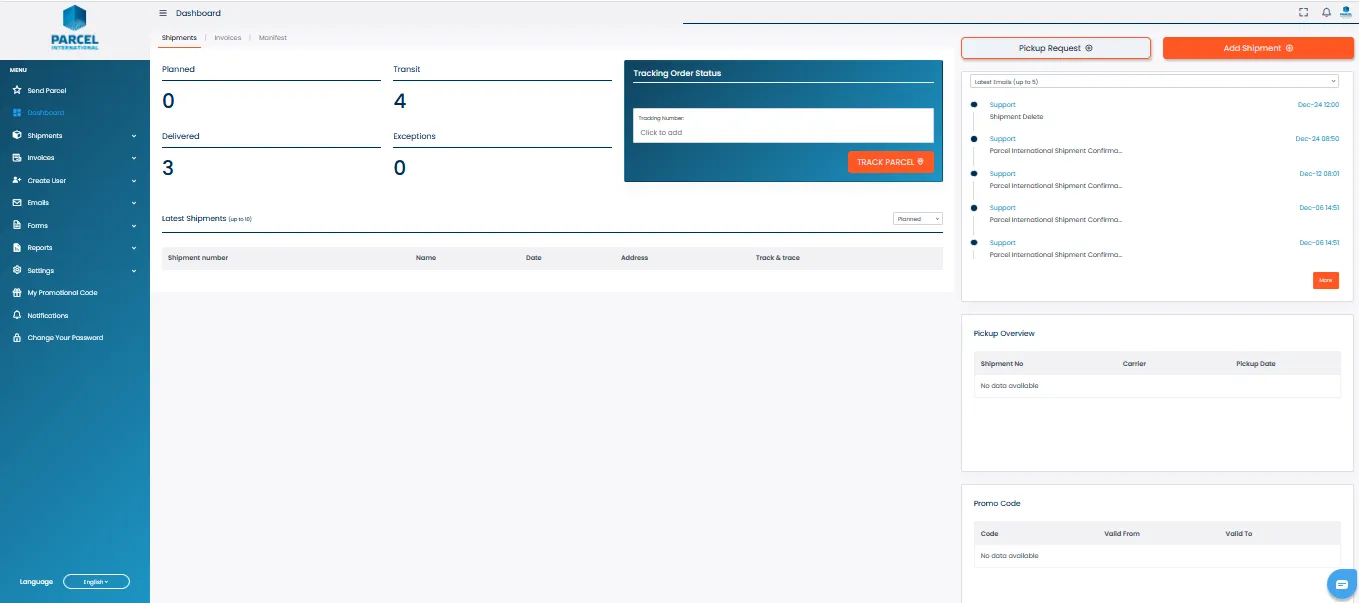
At Parcel International you can compare global carriers within minutes. Smartly choose the best option for your package, always including real-time tracking and transparent costs. Since 2007, we have supported shippers with handy tools and tailored advice so that every step—from packaging to delivery—remains clear and reliable. Visit #our-homepage and experience the difference immediately. Take the step toward hassle-free international shipping today and forget about stress over packaging and customs.
Safely Packaging Parcels
Can't find your question? Our support team is here for you 24/7 via the help centre.
What is international shipping?
International shipping is the process of transporting goods across national borders. This involves various steps such as documentation, customs regulations, and transportation modes.
What is the package shipping process?
The package shipping process is the series of logistical steps taken to transport a package from the sender to the recipient. This includes preparation, packaging, labeling, and transportation of the package.
What is the first step in shipping an international package?
Your first step is to accurately collect all address details for both the sender and the recipient. Ensure you gather full names, addresses, and contact information to avoid delays.
What checks should I perform before shipping my package?
Ensure the address on the label is legible and complete, the parcel is properly packaged, and all necessary documents are included. This quick check helps prevent delays and potential returns.
How do I enter shipping details for my international shipment?
Make sure you enter a detailed description of your goods, including the exact quantity and value. Check all information carefully to avoid delays, and gather the required documents such as invoices or certificates of origin.
What should I do to determine the contents and value of my package?
To determine the contents and value of your shipment, provide a detailed description of all goods, including material, dimensions, and weight. Ensure the commercial or shipping value is accurately specified.
How do I rate products for shipping?
Start with a thorough inspection of each product. Pay attention to dimensions, fragility, weight, and material composition. Also check for any prohibited or regulated materials.
How do I determine my shipping needs for international shipping?
To determine your shipping needs, consider the nature of your goods, weight, dimensions, and fragility. Also, analyze the destination location and required customs regulations.
How do I properly prepare special shipments?
For special shipments, such as hazardous goods, accurate classification and special packaging are required. Ensure you have all necessary documentation and permits on hand to avoid delays.
What does it mean to register a shipment?
Filing a shipment is the formal process of submitting customs documentation for goods being shipped internationally. This ensures compliance with all regulations before your goods cross the border.
What are the consequences of an incorrect shipment registration?
Incorrect declarations can lead to border delays, additional inspection fees and fines, and even seizure of your shipment, which can harm your business reputation.
What should I consider regarding address formats by country?
For each destination country, verify the specific order of address elements, such as where the house number is positioned and whether special characters are permitted. Maintain a checklist to confirm these details before applying labels.
How do I ensure the accuracy of my shipping addresses?
Ensure all required address details are provided and implement automated validation tools for real-time address verification. This helps prevent shipping errors.
How can I regularly update my shipping addresses?
Create a maintenance plan to review and update your address database every quarter. Use automated validation tools and involve customers in updating their information.
How do I find the postal code for an address in a foreign country?
Visit the official postal website of the destination country and use their postal code lookup tool with the street name, house number, and city name. Alternatively, you can use international postal code databases that aggregate information from multiple countries. Always verify through a second source for accuracy.
What if I can’t find the postal code?
Contact the recipient and request verification of the complete address, including the postal code. Some addresses in rural areas may not have a specific postal code; in such cases, the city name and street are often sufficient. Consult the local postal organization for alternative solutions.
Why is a correct postal code so important for international shipping?
A correct postal code ensures your package is efficiently routed through automated sorting systems to the right destination. Without the correct postal code, your shipment may be delayed, end up in the wrong sorting center, or even be returned, resulting in additional costs.
Which websites are reliable for postal code lookup?
The most reliable sources are official national postal websites such as Deutsche Post for Germany, Royal Mail for the United Kingdom, and USPS for the United States. International platforms that aggregate data from official sources are also trustworthy, but always verify the information is up to date.
How can I check if a postal code is still current?
Verify the postal code through the most recent official postal website of the country and cross-check it with at least one other reliable source. Some countries publish updates on postal code changes on their websites. If in doubt, contact the local postal organization to confirm the current postal code.
What are the most popular countries for international shipping from the Netherlands?
Germany, Belgium, France, the United Kingdom, the United States, and Italy are the most popular countries for export and e-commerce shipments from the Netherlands, with Germany being the largest trading partner, accounting for over 20 percent of total exports.
What determines whether a destination is efficient for shipping?
Factors include shipping costs, delivery time, customs regulations, reliability of logistics, and customer demand. Customs and administrative processes can make up a significant portion of total shipping costs and are often an underestimated factor.
How can you minimize risks when shipping to unfamiliar countries?
Start with small shipments, thoroughly check local regulations, and choose carriers with proven experience in the destination country. Only after consistent results over several months is it advisable to develop that destination structurally.
What is the fastest shipping method within Europe?
Air freight is technically the fastest, with delivery in 1 to 3 days, but road transport within Europe offers the best balance between speed and cost for most EU destinations, typically taking 3 to 7 days. For neighboring countries like Germany and Belgium, it is often just as fast.
What is the most common mistake in international shipping?
Incorrect or incomplete documentation is the most common mistake. Missing invoice values and vague product descriptions directly lead to customs delays.
How do I find the correct HS code for my product?
Use the official search tool of the Dutch Customs or the World Customs Organization. Enter a specific product description and select the most appropriate code.
What happens if my package has the wrong address?
A package with an incorrect address will not be delivered and will end up in the carrier’s depot. Without a return address, the package is lost. Always double-check each address field before shipping.
Do I always need to include a packing list?
For shipments outside the EU, an invoice is mandatory; a packing list is strongly recommended, especially for multiple packages. Inconsistencies between the invoice and packing list can lead to delays, even if the error is minor.
How do I choose the right shipping option for my package?
Compare options based on weight, dimensions, delivery time, and destination. Consider volumetric weight, as carriers charge based on the higher of the two (actual or volumetric weight).
How should I write the postal code on an address label?
Write the Dutch postal code as four digits, followed by two letters, then two spaces before the city name in uppercase, such as “1234 AB AMSTERDAM”. Do not use hyphens, as sorting machines do not recognize them.
Is the country name required on an international address label?
Yes, the country name is mandatory for international shipments. Write the country name in uppercase as the last line on the label, preferably in English, such as “GERMANY” or “UNITED KINGDOM”.
Where should I place the address label on the package?
Place the label on the largest and most visible side of the package. Ensure the label does not cover any folds or tape to remain scannable during sorting.
What should I do if I make a mistake on the address label?
Remove the incorrect label completely and print a new one. Never place a corrected label over an old one, as scanners may read the wrong address.
What does an address in England look like?
An English address consists of the recipient’s name, house number and street name, the post town in uppercase, and the postal code on a separate line, also in uppercase. For shipments from abroad, add “UNITED KINGDOM” as the last line.
How do I write my address in English?
Use the same format as a British address: house number and street, city name, postal code, and country. Include your own address as the return address on a package to the UK so that an undeliverable shipment can be returned without additional costs.
What does a postal code in England look like?
A UK postcode consists of 5 to 7 alphanumeric characters, divided into an outward code and an inward code, separated by a space, such as “M1 1AE” or “EC1A 1BB”. The UPU outlines the six valid notation formats used in the country.
Is a county required in a British address?
No, a county is not required as long as the post town and postcode are correctly provided. The PAF Code of Practice confirms that these two elements are decisive for postal sorting, not the county.
Get a grip on your parcel shipping
Compare carriers, choose the best price and keep track of your international shipments. You can calculate and book without an account.
