
Reliable shipping determines whether a package arrives safely and on time or gets completely lost in transit. More and more businesses lose customers due to failed shipments, and many recipients complain about delayed deliveries. However, delays are not always the biggest issue. What truly concerns customers is the lack of transparency and the unpredictability when a package suddenly becomes untraceable.

Quick Summary
- Reliable Shipping Boosts Customer TrustCustomers want assurance that their packages will arrive safely and on time. This prevents reputational damage and financial losses.
- Choose the Right Shipping MethodDepending on your needs, air freight, sea freight, or another method may be the best choice for cost and speed.
- Technology Enhances Shipping StrategiesAdvanced systems provide real-time tracking and optimization, ensuring efficient and transparent shipping processes.
- Customs Regulations Are Crucial for International ShipmentsCompliance with customs regulations prevents delays, fines, and potential seizure of goods.
- Sustainability in Shipping Is EssentialOpt for eco-friendly options to save costs and reduce your ecological footprint.
What Is Reliable Shipping and Why Is It Important?
Reliable shipping forms the backbone of successful international logistics processes. It’s not just about moving a package from point A to point B but about a controlled, transparent, and secure journey where every step is closely monitored and protected.
The Essence of Reliable Shipping
Reliable shipping is about more than just transport. It means a delivery you can predict and track as accurately as possible, with three key aspects at its core:
- Shipment Safety: Protection against damage, loss, or theft
- Tracking and Transparency: Full visibility throughout the entire shipping route
- Timely Delivery: Meeting pre-agreed delivery deadlines
Together, these elements form the foundation of a professional shipping strategy that builds trust between sender and recipient.
Why Reliable Shipping Is Crucial
For businesses and individuals, reliable shipping is not a luxury but an absolute necessity. Poor shipping quality directly leads to:
- Loss of customer trust
- Financial damage from claims and compensations
- Reputational harm for businesses
A professional shipping partner doesn’t just guarantee the physical journey of your package but also provides peace of mind and certainty. Whether it’s a high-value business shipment or a personal gift, reliable shipping ensures your goods arrive safely, traceably, and on time.
By choosing a shipping method with proven reliability, you not only protect your shipment but also invest in the quality of your logistics process.
The Role of Shipping Methods and Carriers in the Shipping Process
The shipping process is a complex interplay of different methods, carriers, and logistics strategies. Each shipment follows a carefully organized path where various parties play a crucial role in ensuring successful delivery.
Shipping Methods: The Backbone of Logistics
Shipping methods are not just transport solutions but advanced systems designed to meet specific needs. There are different categories, each with its own characteristics:
- Air Freight: Fastest method for international shipments
- Sea Freight: Most cost-effective option for large volumes
- Road Transport: Ideal for regional and national shipments
- Rail Transport: Sustainable alternative for intercontinental shipments
The choice of shipping method depends on factors such as urgency, budget, weight, and destination.
The Role of Professional Carriers
Carriers are the invisible architects behind every successful shipment. They not only handle the physical transport but also coordinate, track, and secure goods. Professional carriers perform the following critical functions:
- Optimizing transport routes
- Monitoring shipment integrity
- Providing real-time tracking and communication
- Managing customs formalities and international regulations
A reliable carrier is much more than a transporter. It’s a strategic partner that simplifies the complexity of international logistics into a streamlined, transparent process.
Choosing the right shipping method and carrier is like assembling a perfect orchestra: every component must be precisely in place to deliver a harmonious performance.
Below is a comparison table of the most commonly used shipping methods, including their key characteristics. This table helps compare speed, cost-efficiency, and suitability for different shipments.
Shipping Method | Speed | Cost-Efficiency | Suitable For |
|---|---|---|---|
Air Freight | Very fast (2-5 days) | Less cost-efficient | Urgent shipments, international deliveries |
Sea Freight | Slow (20-45 days) | Very cost-efficient | Large volumes, low urgency |
Road Transport | Fast (3-10 days) | Moderately cost-efficient | Regional/national transport |
Rail Transport | Average (10-20 days) | Sustainable, moderate cost | Intercontinental, bulk goods |
Key Concepts: Shipping Costs, Delivery Times, and Tracking
In the world of international shipping, three fundamental concepts determine a successful shipment: shipping costs, delivery times, and tracking. Together, these elements form the backbone of a transparent and efficient logistics process.
Shipping Costs: More Than Just a Price Tag
Shipping costs are complex and determined by a range of factors. It’s not just about a simple rate but a detailed calculation that considers:
- Weight: Every extra gram affects the price
- Dimensions: Larger packages are more expensive
- Destination: International shipments are pricier
- Shipping Method: Air freight costs more than sea freight
A smart shipping strategy requires understanding these cost components to choose the most efficient option.
The table below provides a clear overview of the factors that determine shipping costs, so you can quickly understand what may influence the final price.
Factor | Description |
|---|---|
Weight | Heavier packages increase shipping costs |
Dimensions | Larger packages cost more to ship |
Destination | International shipments are more expensive than domestic ones |
Shipping Method | Air freight is more expensive than sea freight |
Urgency | Express shipments incur additional costs |
Delivery Times: The Time Factor
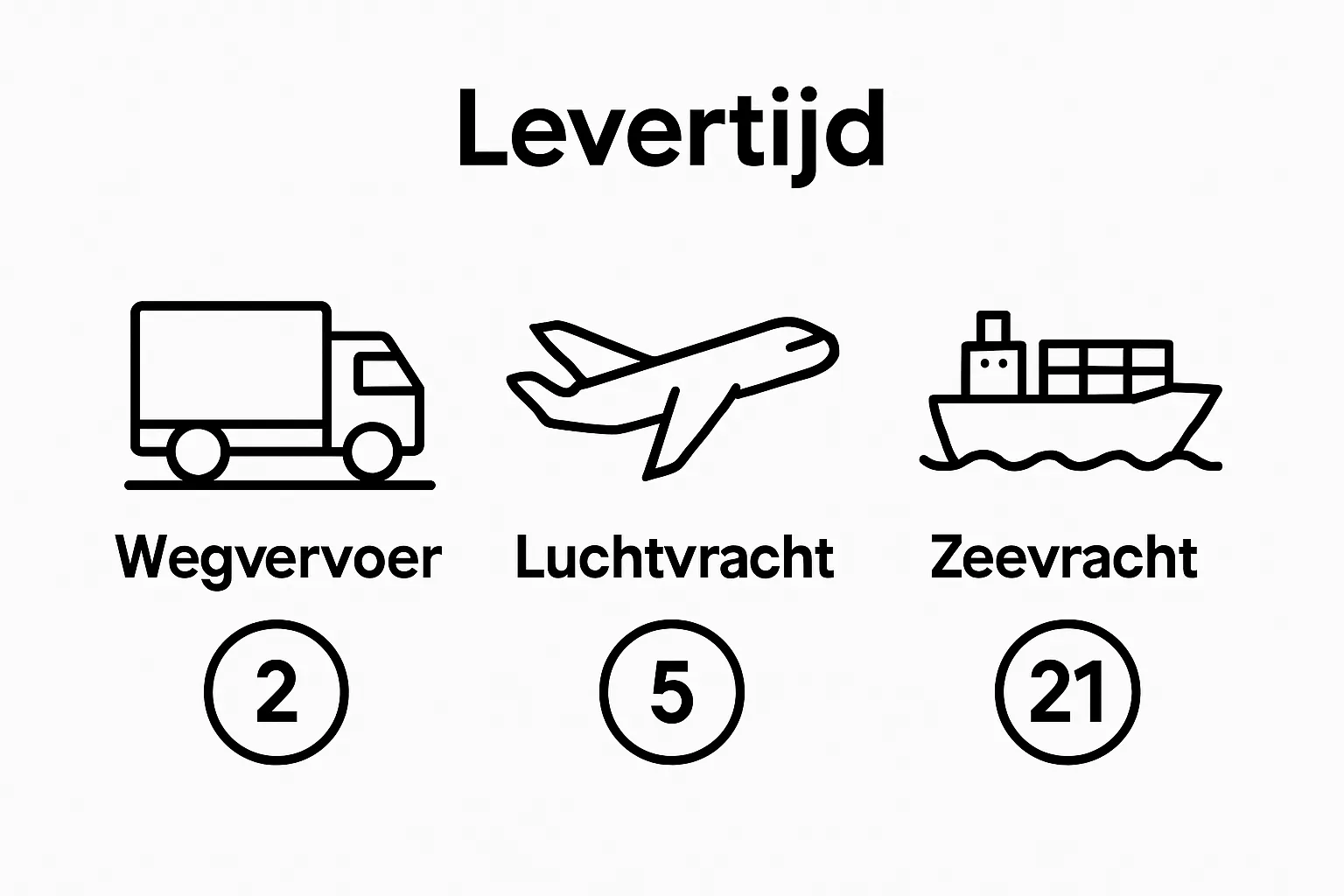
Delivery times vary significantly depending on the chosen shipping method and destination. As a global indication:
- Air freight: 2-5 business days
- Sea freight: 20-45 days
- Road transport: 3-10 days
- Rail transport: 10-20 days
The choice depends on urgency, budget, and specific shipping requirements.
Tracking: Transparency in Motion
Modern tracking systems provide real-time insight into your shipment's journey. This technology enables shippers and recipients to monitor every step of the shipping process accurately. Advanced tracking offers:
- Precise location tracking
- Estimated arrival times
- Status updates
- Delivery confirmation
This transparency builds trust and reduces the uncertainty traditionally associated with international shipments.

How Customs Regulations and International Laws Affect Shipping
International shipping is a complex landscape where national and international regulations intertwine. Customs rules form an essential barrier that every international shipment must pass, with direct implications for costs, transit time, and the success of the shipment.
The Complexity of Customs Legislation
Customs regulations are not uniform but vary significantly by country and continent. Each border represents a unique set of rules that must be precisely followed. Key aspects include:
- Import Duties: Taxes on incoming goods
- Product Categorization: Specific rules per type of goods
- Valuation: Methods for determining shipment value
- Documentation Requirements: Mandatory paperwork for international shipments
These rules are not merely administrative hurdles but protection mechanisms for national economies and consumer safety.
Consequences of Non-Compliance
Research by the World Customs Organization shows that ignoring customs regulations can have far-reaching consequences:
- Shipment delays
- Substantial fines
- Possible seizure of goods
- Exclusion from future international trade
A professional shipping partner navigates this complex legislation on behalf of the customer, minimizing risks.
International Trade Agreements
Modern international trade agreements aim to simplify customs processes. These agreements strive for:
- Reduction of trade barriers
- Standardization of documentation
- Reduction of bureaucratic procedures
- Promotion of transparency in international trade
Understanding these regulations is crucial for any organization or individual looking to ship internationally. The world of customs rules is dynamic and requires continuous adaptation and expertise.
Practical Tips for Optimizing Your Shipping Strategies
An optimized shipping strategy is the key to efficient logistics and cost savings. It’s not just about sending packages but about smartly navigating the complex world of international shipping.
Cost Efficiency and Planning
Optimizing shipping strategies starts with a thorough analysis of your specific needs. Successful shipping requires a strategic approach that considers:
- Volume Negotiation: Negotiate competitive rates for higher shipping volumes
- Packaging Optimization: Use the right packaging size to reduce costs
- Shipping Method Selection: Choose the most cost-effective option per shipment
- Shipment Consolidation: Combine multiple packages for better rates
The goal is not to choose the cheapest option but the smartest one.
Technological Integration
Technological solutions are crucial for modern shipping strategies. Advanced systems offer:
- Real-time tracking
- Automated route optimization
- Predictive analysis for shipping costs
- Automated document handling
Technology transforms shipping from a logistical challenge into a strategic advantage.
Sustainability and Efficiency
A modern shipping strategy goes beyond just costs. Sustainability and efficiency are equally important. Considerations include:
- Choose carriers with lower CO₂ emissions
- Minimize packaging materials
- Optimize cargo space in transport vehicles
- Consider local shipping points
By thinking strategically, you can not only save costs but also reduce your ecological footprint. An optimized shipping strategy balances economic and environmental considerations.
Ready for Hassle-Free International Shipping?
Tired of uncertainty during the shipping process and wondering how to truly gain control over shipping costs, delivery times, and the right carrier? In this article, you read that unexpected delays, unclear rates, and complex customs regulations are key obstacles to reliable shipping. Inefficiency and lack of transparency cause unnecessary stress and can harm your reputation or customer satisfaction. However, this doesn’t have to be your reality.
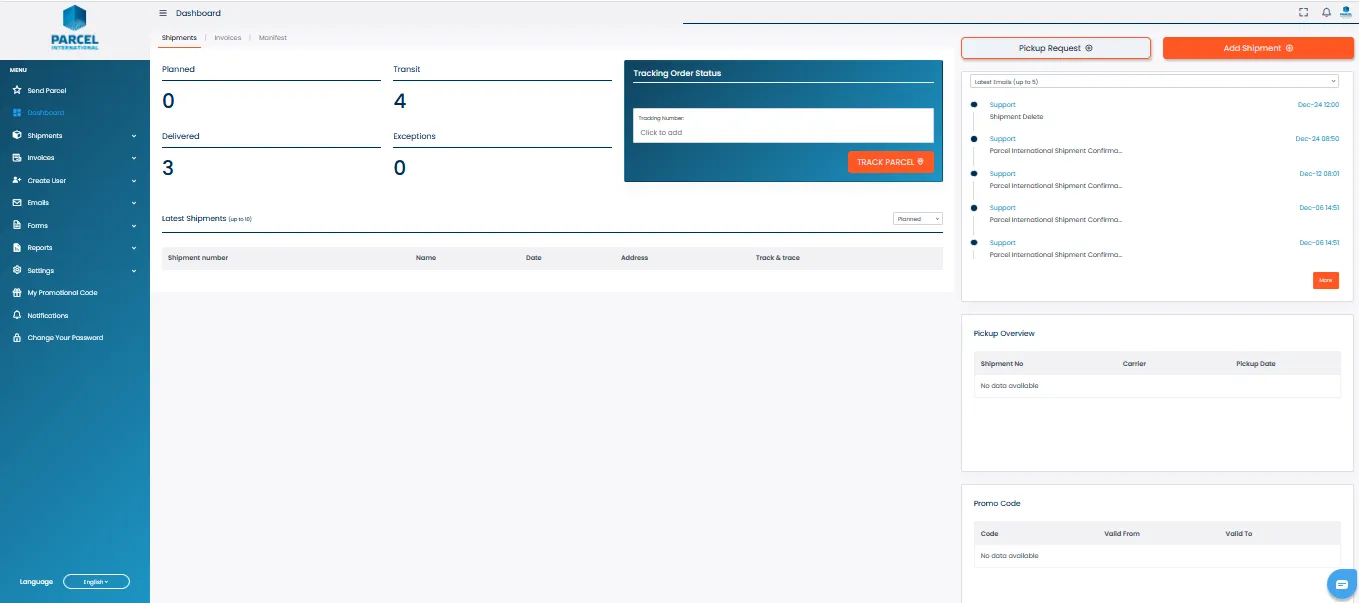
Discover how easy global shipping can be with Parcel InternationalCompare shipping options in one place, choose your preferred carrier, and maintain full control over costs, tracking, and delivery times. Since 2007, we’ve provided tailored solutions for businesses and individuals in over 220 countries. Start shipping affordably and reliably today. Go directly to our website and experience the difference yourself.
Reliable Shipping
Can't find your question? Our support team is here for you 24/7 via the help centre.
How do I choose a reliable carrier for international shipments?
Choose a carrier with proven performance by evaluating their historical data and performance reports. Consider features such as consistent delivery times and robust tracking capabilities, and gather references to make an informed decision.
What are the key criteria for selecting shipping partners?
The key criteria for selecting shipping partners include geographic coverage, tracking capabilities, delivery time reliability, pricing structure, and experience with international shipments. Compare the service levels of different partners to choose the best option that aligns with your specific shipping needs.
How can I assess the reliability of a shipping service?
Assess the reliability of a shipping service by reading reviews from other users and conducting test shipments yourself. Choose a carrier that delivers consistently and responds to inquiries, so you can trust their service.
Why is customer service important when choosing a shipping service?
Customer service is crucial because you may encounter issues with lost or damaged parcels. Test a carrier's customer service before choosing them by asking a question and assessing how quickly and helpfully they respond.
What Are Common Mistakes When Choosing a Logistics Partner?
Common mistakes include choosing the first available partner, not negotiating rates, and failing to analyze your shipping patterns. This can result in higher shipping costs and inefficiencies.
What does a logistics service provider do?
A logistics service provider manages the complex processes involved in shipping goods, allowing businesses to focus on their core activities. This includes transportation, document management, customs facilitation, and order processing.
What types of carriers are there in e-commerce?
There are four main types of carriers: freight forwarders, postal carriers, multimodal carriers and specialised transport services. Each has its own characteristics and suits different kinds of shipments.
What is the role of a carrier in e-commerce?
A carrier is responsible for physically transporting products from online sellers to their customers. Carriers coordinate logistics processes such as shipment consolidation, rate negotiations and customs documentation.
What are the legal requirements and liabilities of carriers?
Carriers have legal obligations under the CMR Convention and the Dutch General Transport Conditions 2002. They are liable for damage to goods, but exceptions such as force majeure can limit their liability.
How does the collaboration between webshops and carriers work?
Collaboration begins with order processing, where the carrier receives detailed shipment information. Transparent communication and strategic partnership are essential for successful logistics integration.
What is the role of a freight forwarder in e-commerce?
A freight forwarder acts as the coordinator of the transportation process, manages customs formalities, and ensures efficient handling of shipments, which is crucial for e-commerce businesses.
How do freight forwarders optimize shipping processes?
Freight forwarders optimize shipping processes by using dynamic route planning, real-time monitoring, and automated document processing, leading to increased efficiency and lower costs.
What are the different types of freight forwarders?
There are various types of freight forwarders, including road freight forwarders, air freight forwarders, sea freight forwarders, and customs forwarders, each specializing in specific transport modalities and processes.
Which cost components are involved in freight forwarders' logistics?
Key cost components include direct costs such as fuel and transport equipment, indirect costs such as administration, and infrastructure costs such as storage and customs handling.
How can I identify a fraudulent carrier?
A fraudulent carrier often uses fake contact information, unusual domain names, and requests off-platform communication. Always verify their legitimacy through reliable public registers such as the Dutch Chamber of Commerce (KvK) or a European transport database.
What is the most effective measure against cargo theft?
A layered approach combining technology, human checks, and processes significantly reduces the risk of cargo theft. No single measure alone provides sufficient protection.
Which hotspots should I monitor closely?
Rotterdam, Antwerp, and highways such as the A67 and A2 are known hotspots for freight fraud in the Benelux. Ensure extra verification for shipments passing through or via these regions.
How common is logistics fraud among Dutch companies?
In the Netherlands, an average of five reports of fraudulent carriers are made each week. The actual number of incidents is likely higher, as not all cases are reported.
Which KPIs are most important for comparing carriers?
The most important KPIs are on-time delivery, tender acceptance, claims ratio, and billing accuracy, as defined in the carrier scorecard dashboard. These four metrics together provide a complete view of reliability and operational quality.
How can I avoid selecting carriers based solely on price?
Use a multi-indicator evaluation model that considers service quality, technology level, and network coverage in addition to price. Scoring all dimensions prevents a low price from masking poor quality.
What if my carrier does not meet the agreed KPIs?
Monitor performance regularly with a scorecard and address deviations directly with your carrier. The carrier scorecard dashboard provides concrete insights into where deviations occur, allowing you to base discussions on data rather than intuition.
How often should I measure my carrier's performance?
Analyze performance at least monthly with a scorecard and conduct quarterly reviews for strategic adjustments. Scorecard monitoring provides recurring insights, enabling you to identify trends before they become problems.
What are the concrete benefits of good shipping advice?
Good shipping advice saves costs and reduces errors, leading to faster deliveries, fewer claims, and higher customer satisfaction. In the long term, it also strengthens your competitive position in international markets.
Should I always use multiple carriers?
A multi-carrier approach is the best choice for most growing e-commerce businesses, but a single carrier may suffice temporarily if volume and destinations are limited. Regular comparisons remain advisable regardless of your strategy.
What are common mistakes in international shipping?
Most mistakes arise from incorrect or incomplete data, such as wrong weights, dimensions, or HS codes, and the lack of structural validation in the shipping process. This leads to surcharges, delays, and dissatisfied customers.
Why is data quality important in shipping advice?
Poor data quality makes automated systems unreliable and causes errors that result in additional costs and complaints. Accurate and validated data is the foundation of every efficient shipping process.
Why is carrier selection so important for my e-commerce business?
Carrier selection determines not only your shipping costs but also delivery times, customer satisfaction, and reputation. The right carrier protects your conversion rate and margins, directly impacting your business growth.
What are the benefits of a digital consignment note (eCMR)?
eCMR speeds up document processing and reduces errors through automatic validation.
What is the role of multiple carriers in international shipments?
Multiple carriers each fulfill a part of the international chain: from pickup and air or sea transport to local delivery at the destination. By leveraging the strengths of each carrier per segment, you improve delivery times and reduce costs.
When should you choose multimodal over intermodal transport?
Multimodal transport is more suitable for tight delivery deadlines because you have a single point of contact for the entire route. Intermodal offers more cost efficiency but requires you to manage the transfers between carriers yourself.
How can you avoid liability issues with multiple carriers?
Define which liability regime applies for each segment, such as CMR for road and the Montreal Convention for air. Verify whether your insurance also covers transitions between modalities, as this is where most uninsured claims arise.
What are the costs of working with multiple carriers?
Direct costs depend on the mode of transport, weight, and destination. Carriers can negotiate lower rates through volume purchasing. Consolidation via groupage further reduces the cost per shipment, which is particularly beneficial for smaller e-commerce volumes.
What digital tools are required for a multi-carrier approach?
A WMS with API integrations to your carriers is the minimum requirement. Without real-time data exchange, you lack visibility into handovers, and cross-docking may fail. Choose carriers that integrate via API with your platform, not just through manual status updates.
What exactly is a transport agreement?
A freight contract is a written agreement between a shipper and a carrier outlining the terms for transporting goods, including price, liability, and responsibilities.
Does the CMR Convention always apply to international shipments?
The CMR Convention automatically applies to cross-border road transport between two contracting states. Over 55 countries have ratified the convention, including all EU member states.
What is the difference between contract freight and the spot market?
With contract freight, you lock in rates and capacity for an extended period. With the spot market, you book per shipment at the current market price, without long-term commitments.
Is a waybill always mandatory?
A waybill is legally required for professional road transport. Without it, the ILT (Inspection Authority) may issue a fine. The waybill also serves as evidence for customs and liability claims.
How can I protect myself if my cargo is worth more than the CMR limit?
CMR liability is limited to 8.33 SDR per kilogram. Take out additional cargo insurance if the value of your shipment exceeds this amount.
What is the difference between a carrier and a freight forwarder?
A carrier has an obligation to deliver and is liable for the delivery of goods. A freight forwarder arranges transport on your behalf but has only a best-efforts obligation, meaning their liability is more limited.
What liability limit applies to international transport?
Under the CMR Convention, the carrier's liability is limited to 8.33 SDR per kilogram of damaged or lost weight. This limit is often lower than the actual value of the goods, making additional insurance advisable.
Why is a packing slip not a substitute for a waybill?
A packing slip only confirms the contents of a shipment and has no contractual validity. Only a correct waybill or CMR waybill is legally binding and provides fiscal certainty, such as for the 0% VAT rate on exports.
At what volume does a DHL business account become cost-effective?
A business account typically becomes worthwhile at 30 to 50 shipments per month, the point at which volume discounts offset the time spent on account management.
What is the difference between DHL eCommerce and DHL Express?
DHL eCommerce is designed for standard parcel delivery within the Netherlands and Europe, often with delivery within 24 to 48 hours, while DHL Express is more commonly used for time-critical international shipments.
Which surcharges increase my DHL invoice the most?
Fuel surcharges and address correction fees are the most common cost drivers, and together they can add ten to fifteen percent to the base price.
Can I combine DHL business with other shipping solutions?
Yes, many companies use DHL business for standard European shipments and engage a comparison service like Parcel International for more complex international routes or urgent shipments.
What do I need to apply for a DHL business account?
You will need at least a Chamber of Commerce (KvK) number, an estimate of your monthly shipping volume, your primary destinations, and average shipment weights to receive a pricing proposal.
Get a grip on your parcel shipping
Compare carriers, choose the best price and keep track of your international shipments. You can calculate and book without an account.
