
Every day, delivery times are a crucial factor for small and medium-sized e-commerce businesses in the Netherlands and Belgium. Clear communication about international delivery times is therefore essential for customer trust and repeat purchases. Understanding the key factors and practical tips helps entrepreneurs prevent delays and enable growth in different countries.

Key Points
- Delivery Time is ComplexDelivery time is influenced by the shipping method, customs procedures, and geographical distance. Businesses must accurately assess these factors to set realistic customer expectations.
- Shipping Methods VaryChoose the right shipping method based on customer needs, costs, and delivery time. Offer multiple options to increase customer satisfaction.
- Logistics Chain OptimizationAn optimized logistics chain ensures faster and more reliable deliveries. Invest in technologies for better communication between links.
- Effective CommunicationClear communication about delivery times and tracking information is crucial for customer satisfaction. Provide proactive updates and set honest expectations.
What Does Delivery Time Mean in International E-commerce?
Delivery time in international e-commerce is more than just the period between order and receipt. It is a complex process determined by various factors such as shipping method, customs procedures, and international logistics regulations.
Standard delivery times vary significantly depending on the chosen shipping method. For example, a sea freight shipment may take 4-6 weeks, while express air freight only takes 3-5 days. International e-commerce businesses must accurately assess these variables to set realistic expectations for their customers.
Key aspects influencing delivery time include geographical distance, chosen transport mode, customs procedures, and seasonal factors. Some countries have more complex import regulations that can extend processing times. Careful preparation and transparent communication are essential to minimize delays.
Pro Tip: Always advise customers to allow a generous margin for international deliveries and proactively communicate potential delays.
Different Types of Delivery Times and Their Applications
E-commerce businesses have access to multiple shipping methods with varying delivery times. Choosing the right method depends on specific customer needs and shipping speed and cost considerations.
The main delivery options include:
- Express Shipping: 1-3 days
- Standard Shipping: 3-7 days
- Economy Shipping: 7-14 days
- International Shipping: 14-30 days
Each shipping method has specific characteristics. Express shipments are ideal for urgent and high-value products where speed is critical. Standard shipping offers an optimal balance between cost and delivery time, while economy options are suitable for less time-sensitive shipments with a limited budget.
Factors such as product weight, dimensions, fragility, and final destination play a crucial role in selecting the most appropriate shipping option. International e-commerce businesses must accurately assess these variables to ensure customer satisfaction.
__Pro Tip:__ Always offer customers multiple shipping options so they can choose between speed and cost.
Below is an overview of the differences between shipping methods in terms of delivery time, cost, and risk of delay:
Shipping Method | Average Delivery Time | Cost Indication | Risk of Delay |
|---|---|---|---|
Express Shipping | 1-3 days | High | Very Low |
Standard Shipping | 3-7 days | Medium | Low |
Economy Shipping | 7-14 days | Low | Medium |
International Shipping | 14-30 days | Variable | High |
Key Factors Influencing Delivery Times
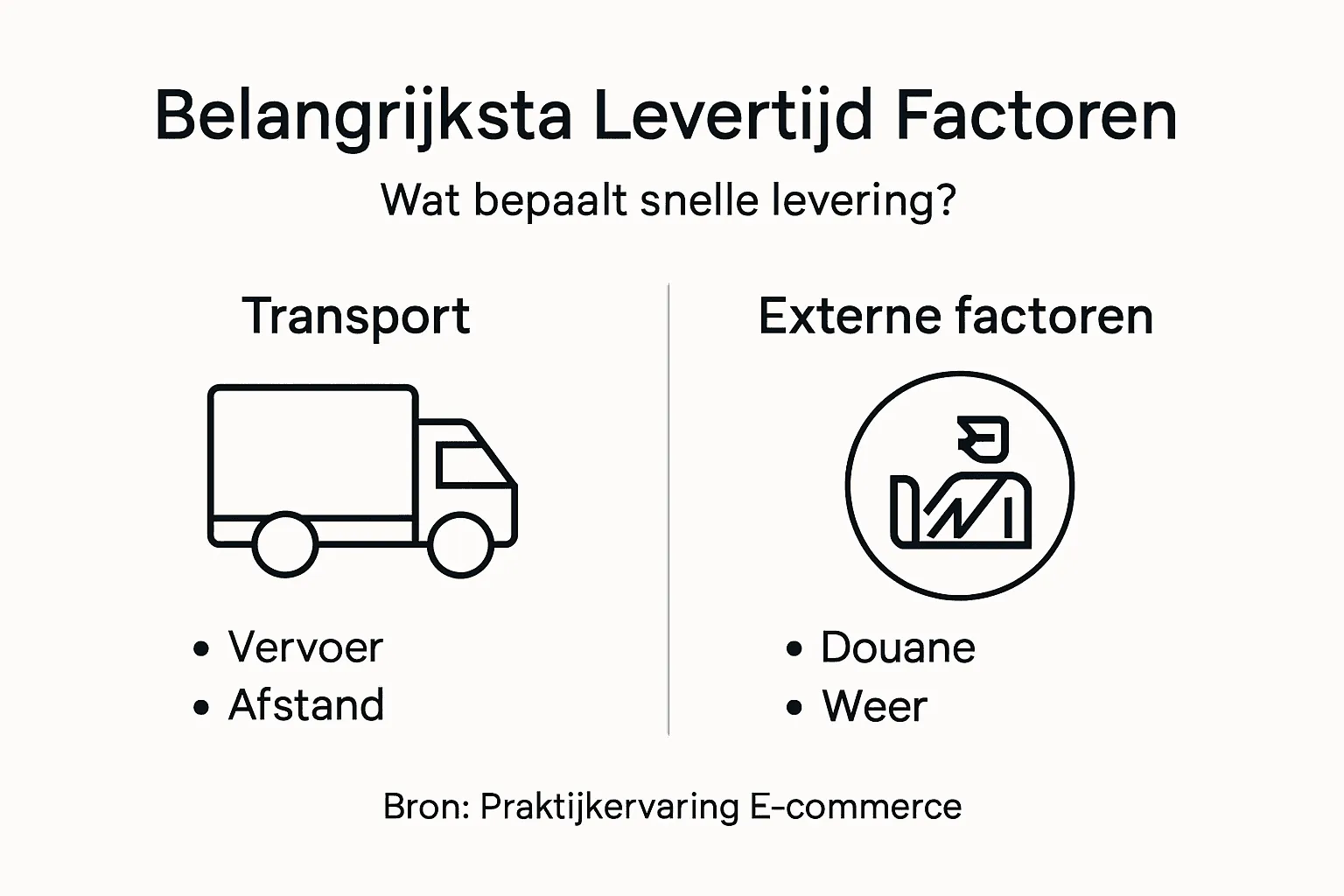
Delivery times in international e-commerce are determined by numerous complex factors. E-commerce entrepreneurs must consider several critical elements that directly impact shipping speed and logistical efficiency.
The main factors influencing delivery times include:
- Geographical Distance: The farther the destination, the longer the delivery time
- Transport Method: Air, sea, or road transport with varying transit times
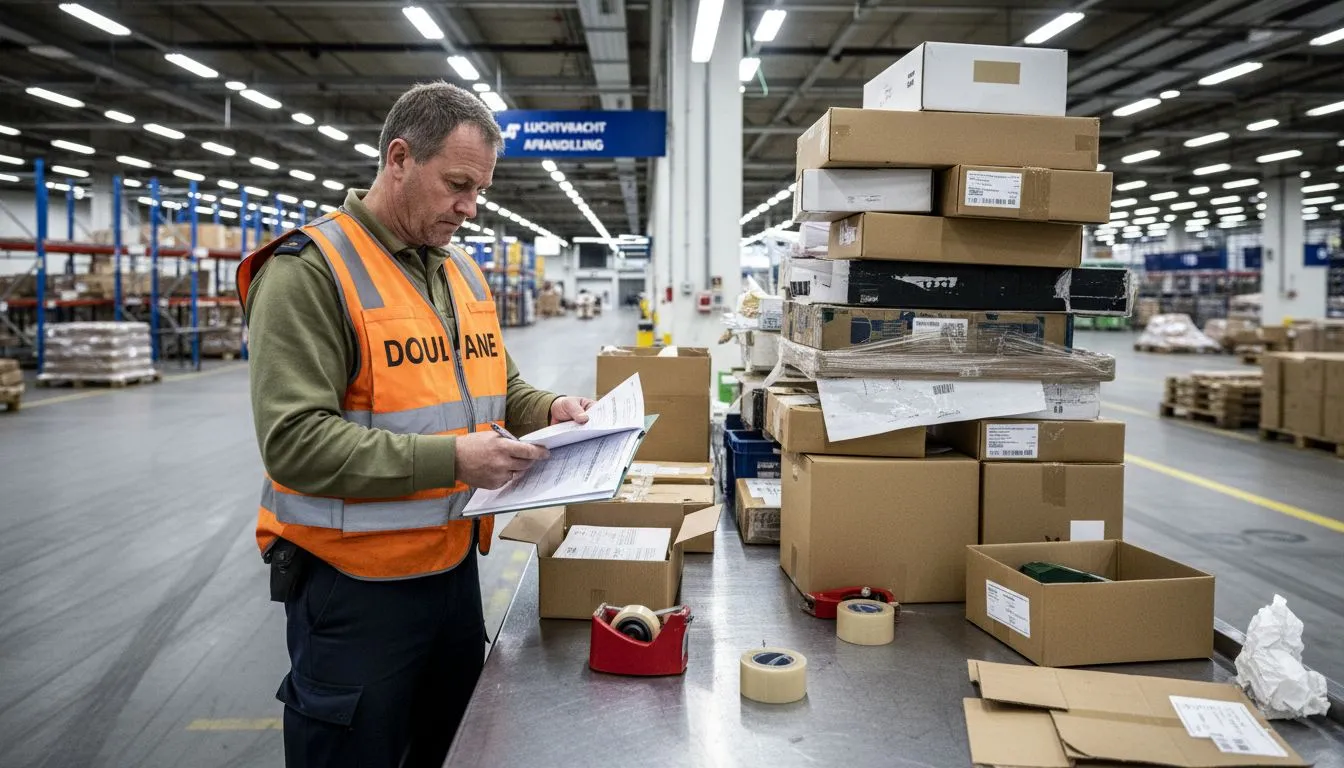
- Customs Procedures: Complex import regulations can cause delays
- Seasonal Factors: Peak periods during holidays or vacation seasons
- Product-Specific Characteristics: Weight, dimensions, and fragility
Each factor requires detailed analysis and strategic planning. For example, customs procedures in some countries can lead to significant delays, while seasonal factors can greatly impact the transit time of international shipments. E-commerce businesses must map these variables accurately to set realistic expectations.
Technological innovations and advanced logistics systems can help optimize these factors and improve the overall efficiency of international shipments.
__Pro Tip:__ Use predictive analytics tools to accurately forecast delivery times and provide customers with detailed expectations.
The Role of the Logistics Chain in Delivery Time
The logistics chain plays a crucial role in determining delivery times for international e-commerce. Every component of the logistics infrastructure directly impacts the efficiency of the shipping process.
The logistics chain includes several essential links:
- Procurement: Selection of raw materials and products
- Production: Manufacturing and preparation of goods
- Storage: Inventory management and warehouse logistics
- Transport: Physical movement of products
- Distribution: Allocation to final destination
- After-Sales: Customer support and return logistics
Every link requires precise coordination and optimization. Modern technologies such as real-time tracking, automated inventory systems, and smart route planning can significantly improve delivery times and reliability. E-commerce businesses must invest in integrated logistics solutions that ensure seamless communication between these different links.
__Pro-tip:__ Implement an integrated logistics management system that can monitor and optimize all links in the chain in real time.
The diagram below shows how each logistics node contributes to a successful delivery:
Logistics Chain Link | Essential Role in Delivery Time | Optimal Outcome for |
|---|---|---|
Procurement | Fast Supplier Selection | Short Replenishment Time |
Production | Efficient Production Process | Reduced Production Delays |
Storage | Smart Inventory Management | Orders Ready for Immediate Shipment |
Transport | Fast Route Planning | Shortest Delivery Time |
Distribution | Efficient Package Allocation | Reliable Delivery Timeframe |
After-Sales | Smooth Returns Processing | High Customer Satisfaction |
Customer Expectations and Delivery Time Communication
In the fast-evolving e-commerce market, customer expectations around delivery times are crucial. Research shows that communication and delivery options directly impact conversion rates.
Key aspects of effective delivery time communication include:
- Realistic Expectation Management
- Transparency About Potential Delays
- Detailed Tracking Capabilities
- Clear Information Before Purchase
- Proactive Communication for Changes
Clarity is key: many consumers abandon purchases if no suitable delivery option is available. This underscores how much customers value detailed and reliable delivery information. E-commerce businesses must invest in systems that provide accurate, real-time information.
__Pro-tip:__ Develop an automated communication system that proactively and thoroughly informs customers about every stage of their shipment journey.
Common Mistakes and How to Avoid Them
E-commerce businesses often make mistakes that negatively impact delivery times and customer satisfaction. A frequent error is insufficient attention to package delays and risk management.
The most common mistakes include:
- Inaccurate Shipping Data
- Poor Inventory Tracking
- Insufficient Customer Communication
- Incorrect Packaging Methods
- No Backup Shipping Plans
Each mistake can have far-reaching consequences for operations. An incorrectly registered address can lead to lost packages, while poor communication leaves customers uncertain about their orders. It is essential to act proactively and implement systems that minimize these risks.
__Pro-tip:__ Develop a standardized quality control system that thoroughly checks every step in the shipping process and flags potential errors early.
Make International Delivery Times Transparent and Manageable with Parcel International
International delivery times can be unpredictable and complex due to factors like customs procedures, transport methods, and seasonal influences. Do you recognize the challenge of managing these uncertainties and providing clear communication to customers? With concepts like ‘express shipping,’ ‘customs handling,’ and ‘logistics chain’ from this article, you understand how essential it is to streamline every step.
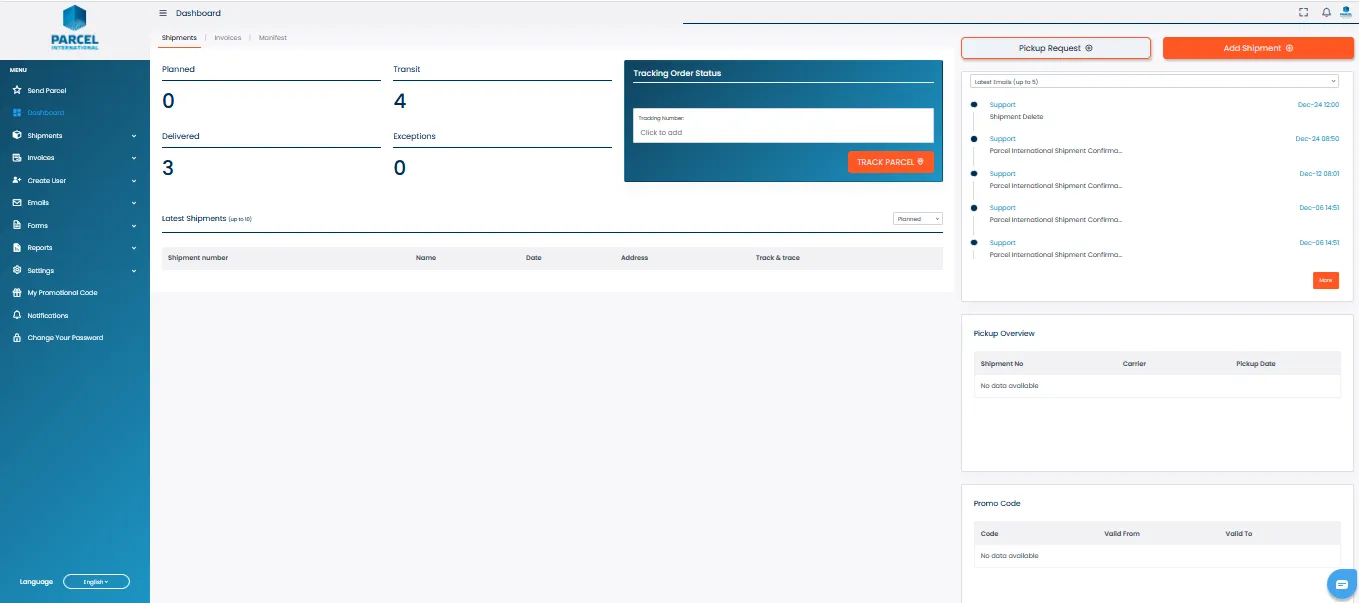
With Parcel International, you choose a reliable partner that simplifies your logistics processes. Thanks to our extensive experience since 2007 and coverage of over 220 countries and regions, we offer an intuitive platform where you can easily compare shipping options and make the best choice. This not only improves delivery times but also enhances customer satisfaction through transparent tracking and clear communication.
Experience firsthand how our efficient and personalized logistics solutions can transform your international e-commerce. Visit Parcel International today and discover how you can take control of your delivery times with our tools and expertise, and keep your customers informed at every step. Don’t wait—optimize your global shipments today.
Frequently Asked Questions
What is delivery time in international e-commerce?
Delivery time in international e-commerce refers to the period between placing an order and the actual receipt of the product. It is influenced by factors such as transport method, customs procedures, and geographical distance.
What shipping methods are available, and how long does it take to receive an order?
There are various shipping methods, such as:
- Express Shipping (1-3 days)
- Standard Shipping (3-7 days)
- Economy Shipping (7-14 days)
- International Shipping (14-30 days)
The choice depends on customer needs, shipping speed, and costs.
How do customs procedures affect delivery time?
Customs procedures can significantly extend delivery times. Complex import regulations and inspections can lead to delays, especially for international shipments.
What are common mistakes that can affect delivery time?
Common mistakes include:
- Inaccurate Shipping Data
- Poor Customer Communication
- Insufficient Inventory Tracking
These mistakes can lead to delays and lower customer satisfaction.
Get a grip on your parcel shipping
Compare carriers, choose the best price and keep track of your international shipments. You can calculate and book without an account.
