
Every international shipment presents unique challenges for Dutch e-commerce businesses. Customs inspections are often the biggest source of delays and additional costs. Many delays arise from errors in documentation or varying customs regulations across countries. Understanding what customs does and how regulations differ in countries like the Netherlands and China helps businesses streamline their logistics and avoid financial surprises.
Key Takeaways
Point | Details |
|---|---|
Role of Customs | Customs controls import duties, documentation, and safety for international shipments to protect economic interests. |
Variation in Customs Regulations | Customs regulations differ by country and can impact processing time and costs, which is crucial for shippers. |
Essential Documents | Accurate customs documents such as invoices and permits are vital to prevent delays and fines. |
Common Mistakes | Incorrect documentation and underestimating customs costs are frequent errors that can cause significant issues. |
What Does Customs Do in Shipments?
The customs authority plays a crucial role in international shipments, acting as an official checkpoint that enforces regulations and ensures the safety of cross-border trade. According to the European Commission customs protects the internal market by closely monitoring incoming goods.
During the customs process, several essential tasks are performed. This process includes multiple steps: verifying documents, determining import duties and VAT, and assessing the safety and compliance of the shipment.
The primary responsibilities of customs can be summarized as follows:
- Collecting import duties and taxes
- Verifying the accuracy of shipping documents
- Identifying potential risks or illegal goods
- Protecting national and European economic interests
Pro tip for shippers: Always ensure complete and accurate documentation for international shipments to avoid delays and extra costs. A detailed and correct declaration can significantly expedite the customs process.
Varying Customs Regulations by Country
The international shipping process is characterized by a complex patchwork of customs regulations that can vary significantly by country. Nations enforce different import rules based on economic, cultural, and security motives. Some countries have particularly strict regulations, with nations like China and Saudi Arabia known for their complicated bureaucratic processes.
The variation in customs regulations has significant implications for international shippers. Each country has its own specific requirements regarding:
- Documentation requirements
- Maximum value of goods
- Specific import restrictions
- Tax rates and fees
- Permits for specific product categories
Businesses operating internationally must account for the nuances of local regulations. The same goods may enter one country without issue, while in another, they could be held up or incur heavy fines.
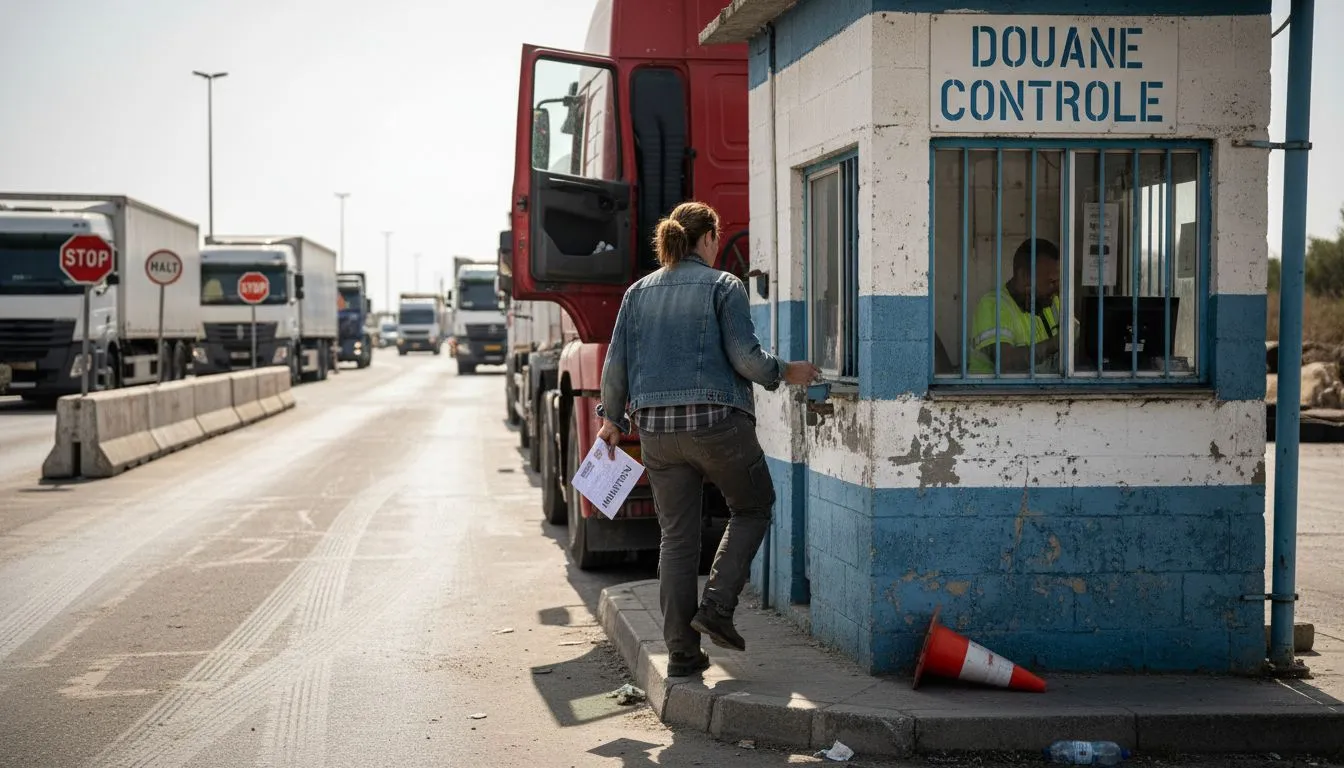
Below is an overview of how customs regulations impact the international shipping process:
Aspect | Easy Country (e.g., Netherlands) | Strict Country (e.g., China) |
|---|---|---|
Processing Time | Fast, typically 1-2 days | Can take several weeks |
Documentation Review | Limited to standard documents | Highly detailed, additional requirements |
Import Restrictions | Few standard restrictions | Many prohibited product categories |
Penalty Risk | Low if submitted correctly | Very high, risk of seizure |
Tariff Structure | Transparent and accessible | Complex, often unexpected fees |
Pro tip for international shippers: Always gather detailed and up-to-date information on the specific customs regulations of the destination country before sending a shipment. Local chambers of commerce and specialized logistics providers can offer valuable support in navigating this complex regulatory landscape.
Key Documents and Formalities
In international shipping, customs documents form the backbone of a smooth logistics process. Accurate documentation is crucial to prevent delays and potential fines, especially for businesses shipping time-sensitive goods.
The most essential documents for international shipments include:
- Invoice: Detailed description of goods and their value
- Certificate of Origin: Indication of the country of production
- Packing List: Itemized inventory of the shipment
- Transport Documents: Bill of lading or airway bill
- Import Permits: Specific authorizations for regulated goods
Correctly assigning HS codes (Harmonized System) is particularly important. These international classification codes determine tax rates and whether specific permits are required. An incorrect code can lead to delays, fines, or even seizure of goods.
Below is a comparison of essential customs documents and their role in the process:
Document | Purpose | Consequence of Errors |
|---|---|---|
Invoice | Determining value & VAT basis | Delayed processing, additional inquiries |
Certificate of Origin | Establishing tariff preferences | Potential higher import duties |
Packing List | Verification of completeness and type of goods | Risk of missing items or inspection |
Transport Document | Identifying carrier and route | Issues with transfer or delivery |
Pro tip for document management: Always double-check the accuracy of your documentation before sending an international shipment. Small errors can lead to significant delays and extra costs.
Customs Fees, Taxes, and Import Duties
International shipments often come with hidden financial obligations that surprise many shippers. When ordering products from outside the EU, various additional costs may apply., depending on the value and specifications of the goods.
The key financial components of international shipments include:
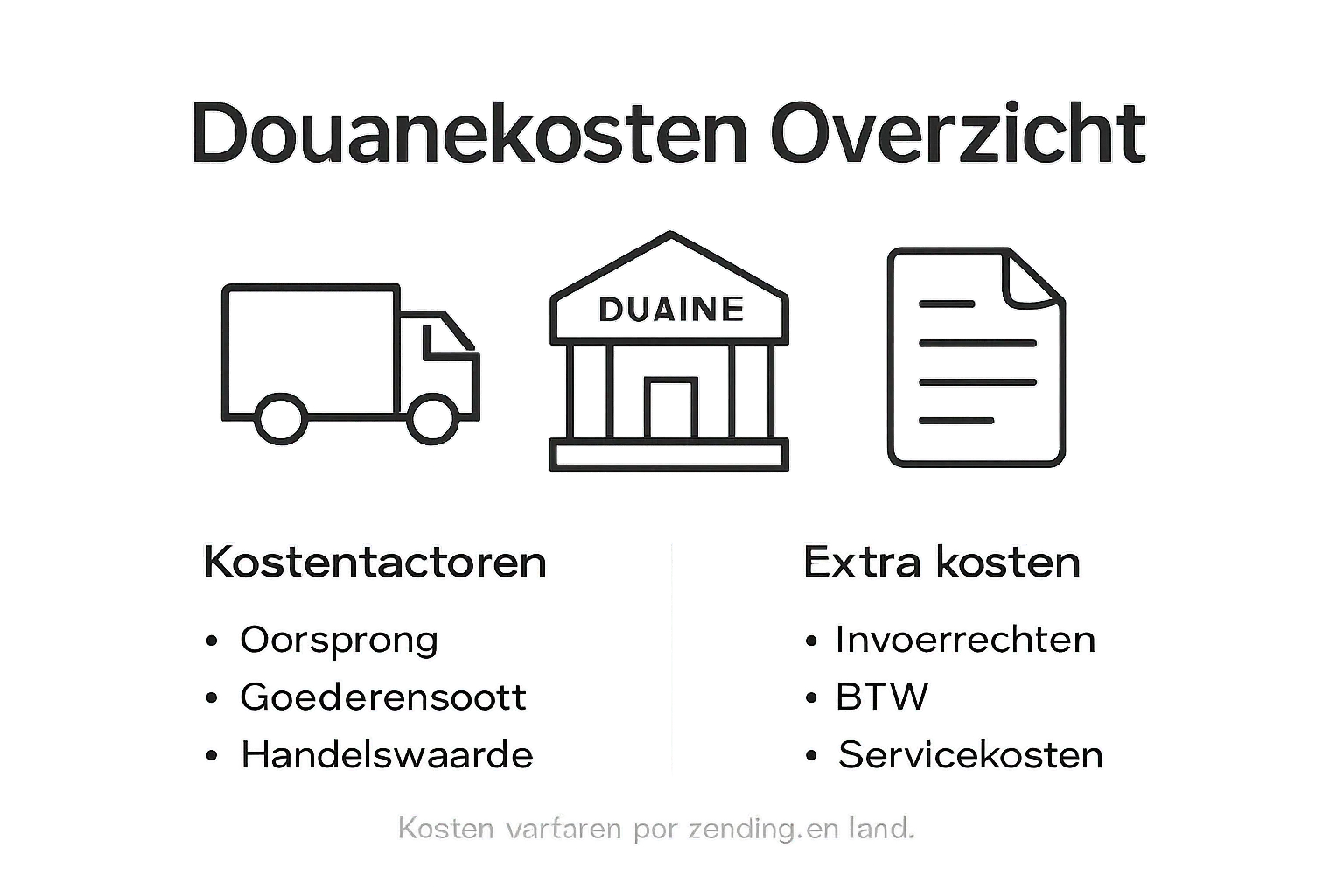
- Import Duties: Tax levied on imported goods
- VAT: Sales tax calculated on the total value
- Excise Duties: Special tax on specific product categories
- Administrative Fees: Charges for customs clearance
- Storage Costs: Potential fees for delayed clearance
The amount of these costs varies significantly and is determined by factors such as the origin of the goods, their commercial value, and the specific customs regulations of the destination country. Some countries apply exemption thresholds, where goods below a certain value do not incur additional costs.
Pro tip for cost savings: Always inquire in advance about the full cost structure of your international shipment and calculate the total costs, including all possible customs duties, to avoid unexpected surprises.
Common Mistakes in International Shipping
When shipping internationally, businesses make numerous critical errors that can lead to delays, additional costs, and even the return of goods. The complexity of cross-border logistics requires utmost precision and preparation.
The most common mistakes in international shipping include:
- Incorrect or incomplete documentation
- Improperly completed invoices
- Missing permits
- Incorrect HS codes
- Underestimating customs costs
- Insufficient packaging for international transport
- Not accounting for local import restrictions
- Incorrect estimation of delivery times
Every mistake in the international shipping process can have far-reaching consequences. For example, an incorrectly filled-out HS code can result in fines, delays, or even a complete block of your shipment. Shippers must be particularly vigilant about the specific regulations of each individual country.
Pro tip for error prevention: Invest in specialized training or consult a customs broker before sending important international shipments. A preparatory check can prevent numerous future issues.
Simplify International Shipments with Parcel International
This article highlights the complexity and challenges surrounding the role of customs in international shipments. Many businesses and individuals experience issues such as unclear customs costs, strict documentation requirements, and delays due to differences in customs regulations per country. This creates uncertainty and stress when sending packages or freight globally.
Parcel International understands these dilemmas and offers a solution that simplifies your logistics process. With our smart platform, you can easily compare shipping options, choose from reliable carriers, and send shipments to over 220 countries without hidden costs. This helps you maintain control over key aspects such as the correct documents and significantly reduces the risk of customs issues.
Discover how you can save time, costs, and worries with Parcel International on your international shipments. Visit Parcel International and start arranging hassle-free shipments today. Don’t let the complexity of customs procedures hold you back—take advantage of our clear communication and personalized service.
Curious how we can simplify your specific shipment? Leverage our expertise now and experience the ease of international shipping with Parcel International!
Can't find your question? Our support team is here for you 24/7 via the help centre.
What should I know about customs regulations for international shipping?
When shipping internationally, you must consider customs regulations such as proper documentation, HS codes, and import restrictions. Providing detailed shipment information is crucial to avoid customs issues.
What are import charges?
Import costs are the total expenses incurred when bringing goods into the country from abroad, including purchase price, import duties, VAT, transportation costs, and customs fees.
What does customs do for international shipments?
Customs reviews documents, collects import duties and taxes, and assesses the safety and compliance of shipments to protect the internal market.
What documents do I need for exports outside the EU?
Key documents include the commercial invoice, certificate of origin, packing list, transport documents, and import permits.
Get a grip on your parcel shipping
Compare carriers, choose the best price and keep track of your international shipments. You can calculate and book without an account.
