
Sending a large package often seems affordable until you reach the checkout page. That’s when you see how quickly surcharges for dimensions, weight, and destination add up. If you’re looking for cost-effective shipping rates for large parcels, you need more than just a low starting price. You want to know what you’ll actually pay in the end, how reliable the service is, and which option best suits your shipment.
For e-commerce stores, SMEs, and shippers who regularly send packages internationally, this difference is significant. A 25 kg package with non-standard dimensions may fall within standard limits with one carrier, while another will immediately charge a volumetric surcharge. The result is simple: what looks cheap on paper isn’t always cheap in practice.
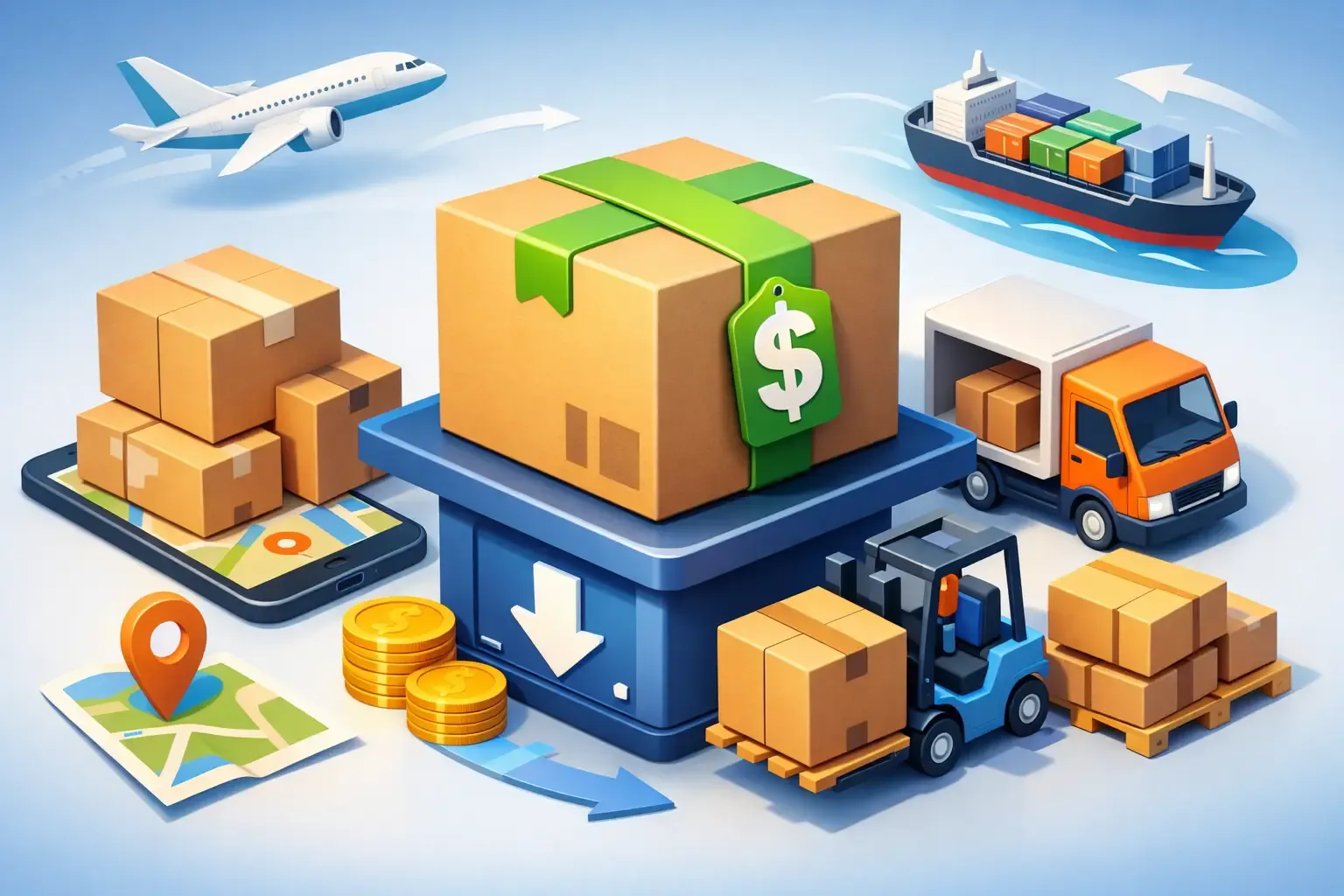
What Determines Affordable Shipping Rates for Large Parcels
The cost of a large shipment is typically determined by more than just its physical weight. Carriers also consider volumetric weight, which is particularly relevant for large boxes that are relatively light, such as shipments containing textiles, plastic components, or marketing materials. A box may weigh little but still incur high costs because it occupies significant space in the transport network.
Additionally, dimensions often have an extra impact on the pricing structure. Consider packages that are longer, wider, or taller than a carrier's standard limits. In such cases, you pay not only for transportation but also for non-standard handling. This is reflected in surcharges for oversized packages, manual sorting, or .
The destination also plays a clear role. Large packages within Europe often have a very different pricing structure compared to shipments to the US, Canada, or Asia. For international shipping, customs clearance, transit zones, and local delivery partners all factor in. As a result, a lower base price can still translate into higher total costs.
Why Booking Directly with a Single Carrier Often Costs More
Many shippers logically start with a familiar name. It feels trusted and quick. However, those shipping large parcels often find that one carrier isn’t the most cost-effective choice in every situation.
The reason is simple. Each carrier has its own strengths in size categories, regions, and service types. One provider may excel in express shipments, while another offers better rates for economy shipping or road transport within Europe. If you rely on just one system, you won’t compare these differences and may end up paying more.
For businesses that ship frequently, this also takes time. You have to manually compare rates, review service terms, and check if additional costs are included. This not only slows down the booking process but also increases the risk of errors in decision-making.
How to Compare Rates Without Hidden Surprises
To truly save costs, look beyond the initial price. Start with the exact dimensions and correct weight. Even a small measurement discrepancy can push your shipment into a different pricing tier. Especially for large parcels, accurate input isn’t a detail—it’s the foundation of a correct price.
Next, consider the full cost picture. A rate may seem attractive but could exclude fuel surcharges, remote area fees, or additional costs for non-standard dimensions. For international shipments, also determine who is responsible for customs information and whether the selected service suits your type of goods.
Delivery time is the next consideration. Not every large parcel needs urgent shipping. If your customer or recipient has flexibility in their schedule, an economy service or road transport can be far more cost-effective than express. Conversely, for time-sensitive shipments, the cheapest option isn’t always the best choice if delays directly impact costs.
Affordable Shipping Rates for Large Parcels Start with the Right Service
There is no universally cheapest shipping method for large parcels. It depends on what you're shipping, where it's going, and how quickly it needs to arrive. That's why comparing works better than guessing.
For a heavy box within the EU, road transport may be a logical and cost-effective choice. For a large but lightweight parcel to a distant destination, air freight or express shipping might be more suitable, depending on volumetric calculations. For larger volumes or recurring shipments, the ideal mix of services may even differ from one-off shipments.
This is where a multi-carrier platform provides practical benefits. You can quickly see which service best fits your shipment's dimensions, weight, and destination without having to open multiple systems. For many shippers, this isn’t just more cost-effective—it’s also more streamlined.
Common Mistakes That Unnecessarily Increase Costs
Een van de meest voorkomende fouten is te laat nadenken over verpakking. Een te grote doos lijkt onschuldig, maar zorgt vaak voor hoger volumegewicht en dus hogere kosten. Slim verpakken betekent niet alleen goed beschermen, maar ook zo compact mogelijk verzenden zonder risico op schade.
Een tweede fout is het onderschatten van toeslagen. Zeker bij grote pakketten komen afwijkende maten sneller in beeld. Wie alleen naar het basistarief kijkt, vergelijkt dus eigenlijk onvolledig. Je wilt vooraf weten of jouw pakket binnen de standaardgrenzen valt of direct extra handling vereist.
Ook onduidelijke goedereninformatie kan later geld kosten. Bij internationale zendingen leiden onnauwkeurige omschrijvingen of ontbrekende documenten tot vertraging, correctiekosten of extra administratieve handelingen. Goedkoop versturen begint dus niet pas bij tariefvergelijking, maar al bij een correcte voorbereiding.
When Cheap Isn’t the Smartest Choice
Lage kosten zijn belangrijk, maar niet in isolatie. Een groot pakket dat beschadigd aankomt of dagen vertraging oploopt, is uiteindelijk duurder dan een iets hoger tarief met betere prestaties. Dat geldt extra voor zakelijke zendingen, reserveonderdelen, voorraadverplaatsingen en leveringen aan klanten die rekenen op een duidelijke bezorgbelofte.
Daarom is betrouwbaarheid een praktisch onderdeel van prijsvergelijking. Let op transittijd, serviceomschrijving en geschiktheid voor grotere afmetingen. Een lagere prijs is interessant zolang de service ook echt past bij wat je verzendt. Anders koop je vooral onzekerheid.
Voor incidentele verzenders is gebruiksgemak daarbij net zo relevant. Een ingewikkeld boekingsproces, onduidelijke labels of beperkte ondersteuning kosten tijd en veroorzaken frustratie. Zeker als je geen eigen logistiek team hebt, wil je een oplossing die eenvoudig werkt en duidelijk laat zien welke keuze je maakt.
The Value a Smart Shipping Platform Adds
Voor veel bedrijven en particuliere verzenders zit de grootste winst niet alleen in korting, maar in overzicht. Door vervoerders, servicetypes en tarieven op één plek te vergelijken, wordt de keuze sneller en duidelijker. Je hoeft geen losse accounts te beheren of handmatig tabellen naast elkaar te leggen.
Dat is precies waarom een platform als Parcel International voor veel verzenders praktisch werkt. Je kunt tarieven vergelijken, een service selecteren en je zending boeken vanuit één omgeving, zonder abonnementskosten of minimumvolume. Zeker als je grote pakketten internationaal verstuurt, scheelt dat tijd én onnodige kosten.
Bijkomend voordeel is dat je gemakkelijker kunt schakelen per zending. Vandaag heb je misschien de voordeligste economy-optie nodig, morgen juist een snellere expressservice. Die flexibiliteit helpt om per pakket de juiste balans te vinden tussen prijs, snelheid en betrouwbaarheid.
How to Start Saving on Large Parcels Today
Als je structureel lagere verzendkosten wilt, begin dan met drie eenvoudige vragen. Is de verpakking zo compact mogelijk? Past de gekozen service echt bij de urgentie van de zending? En vergelijk je meerdere vervoerders voordat je boekt?
Voor zakelijke verzenders loont het om niet vanuit gewoonte te werken. De standaardcarrier van vorige maand is niet automatisch de beste keuze voor de zending van vandaag. Afmetingen, land van bestemming en gewenste levertijd veranderen telkens de uitkomst.
Wie dat proces eenvoudiger wil maken, kiest het liefst voor een werkwijze waarin vergelijken standaard onderdeel is van boeken. Dan zoek je niet af en toe naar een goede prijs, maar bouw je besparing direct in je dagelijkse verzendingen in.
Grote pakketten hoeven geen dure uitzondering te zijn. Met de juiste service, correcte pakketgegevens en een helder vergelijkingsproces wordt verzenden vooral een stuk voorspelbaarder - en dat is meestal waar echte besparing begint.